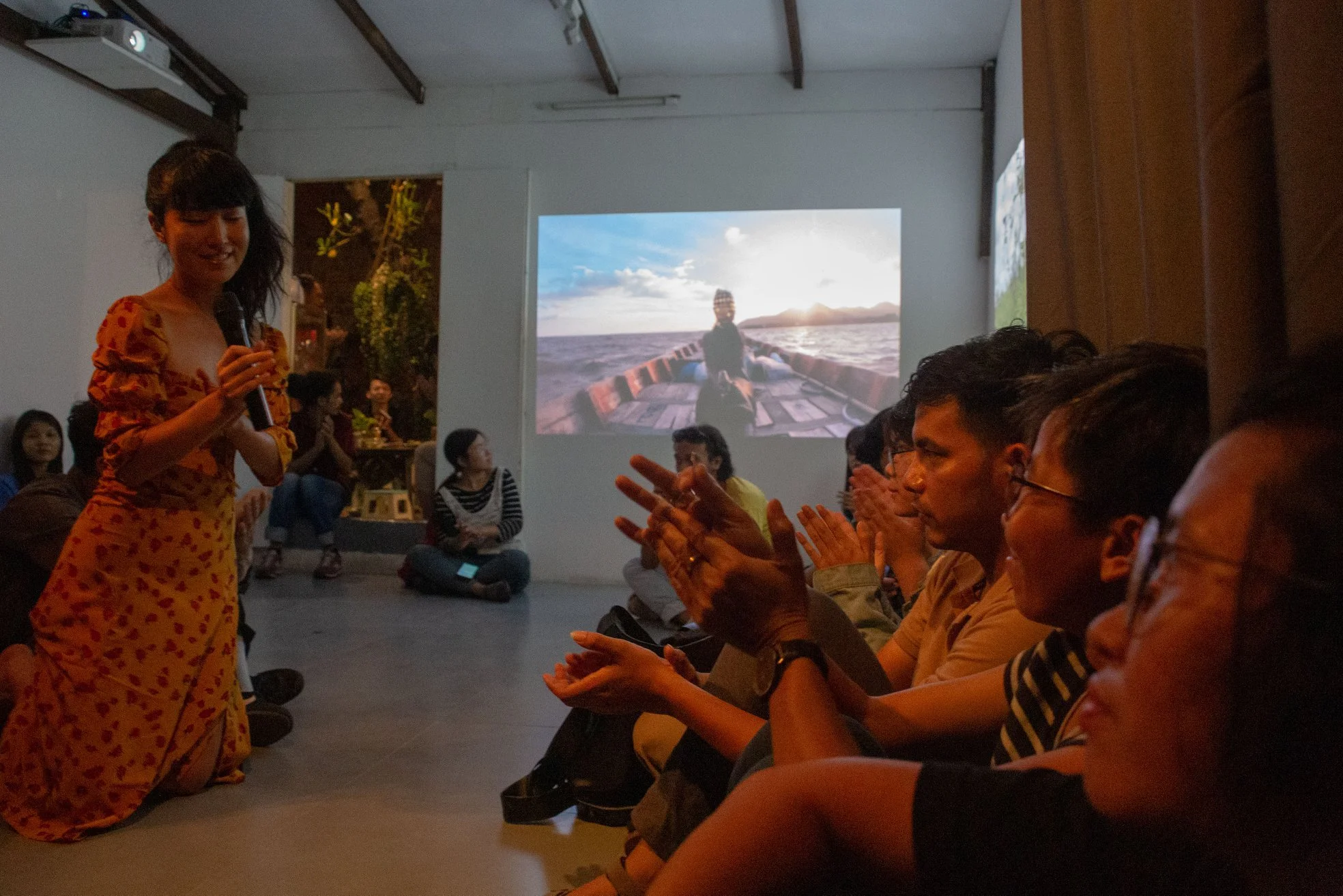
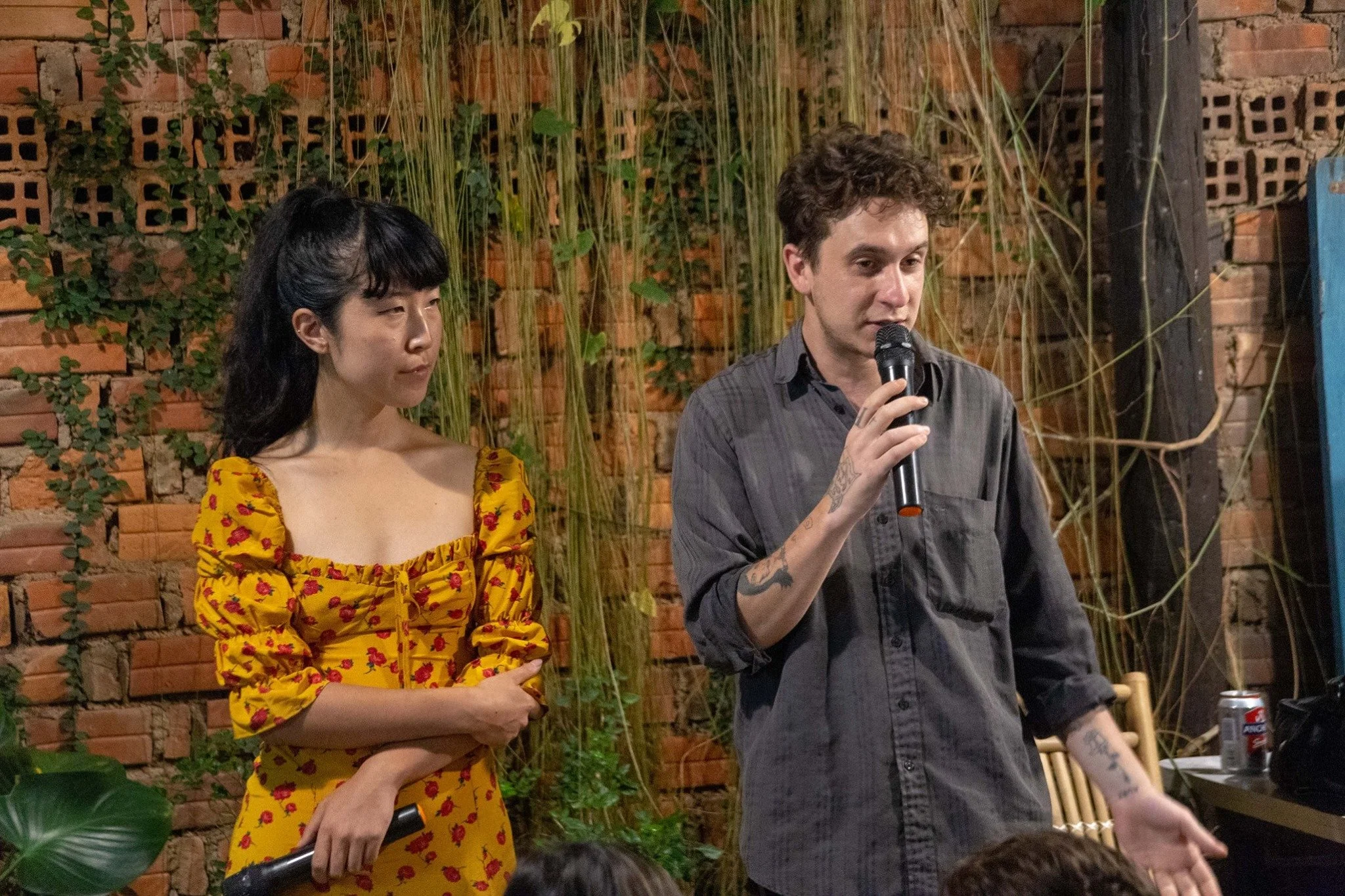
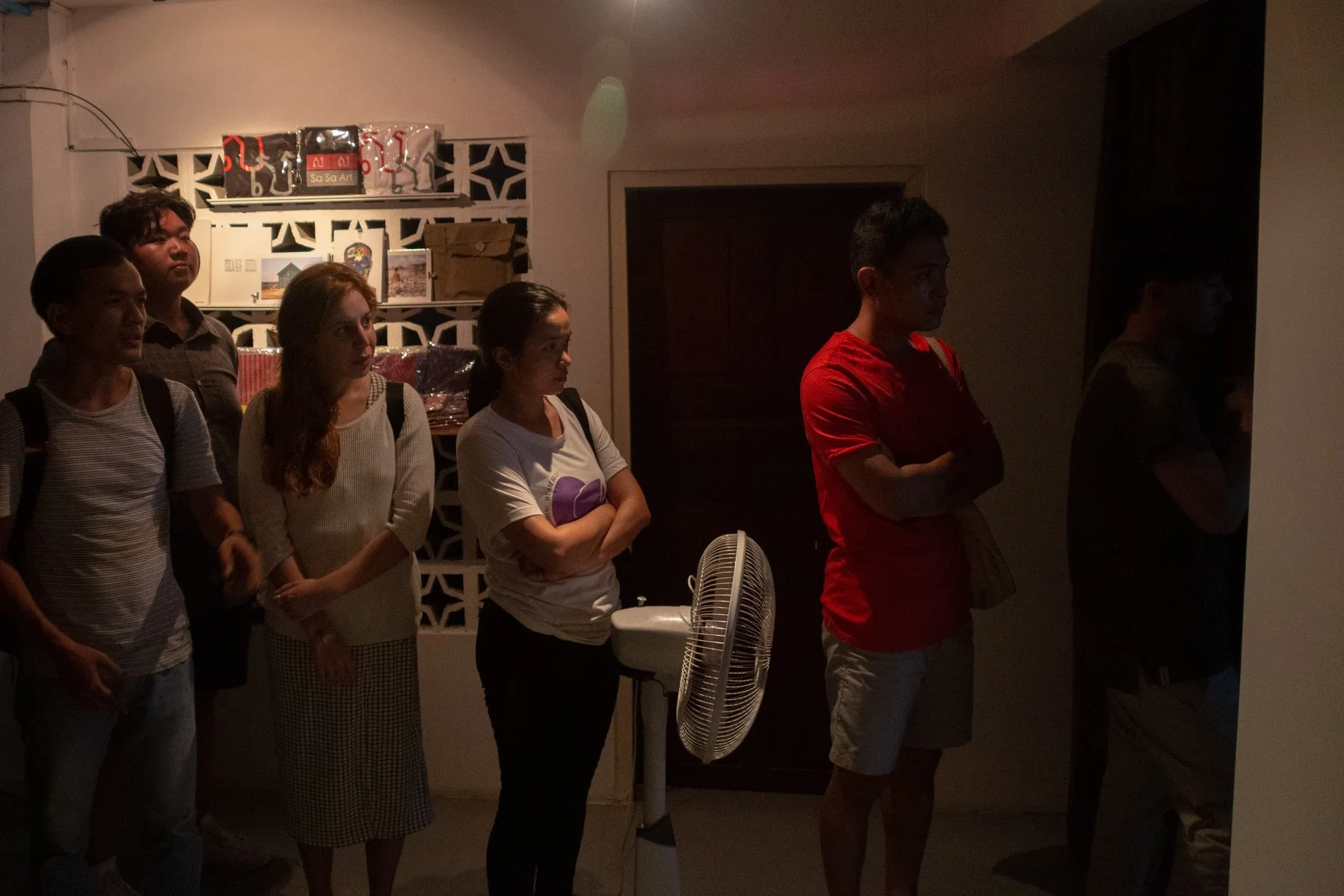
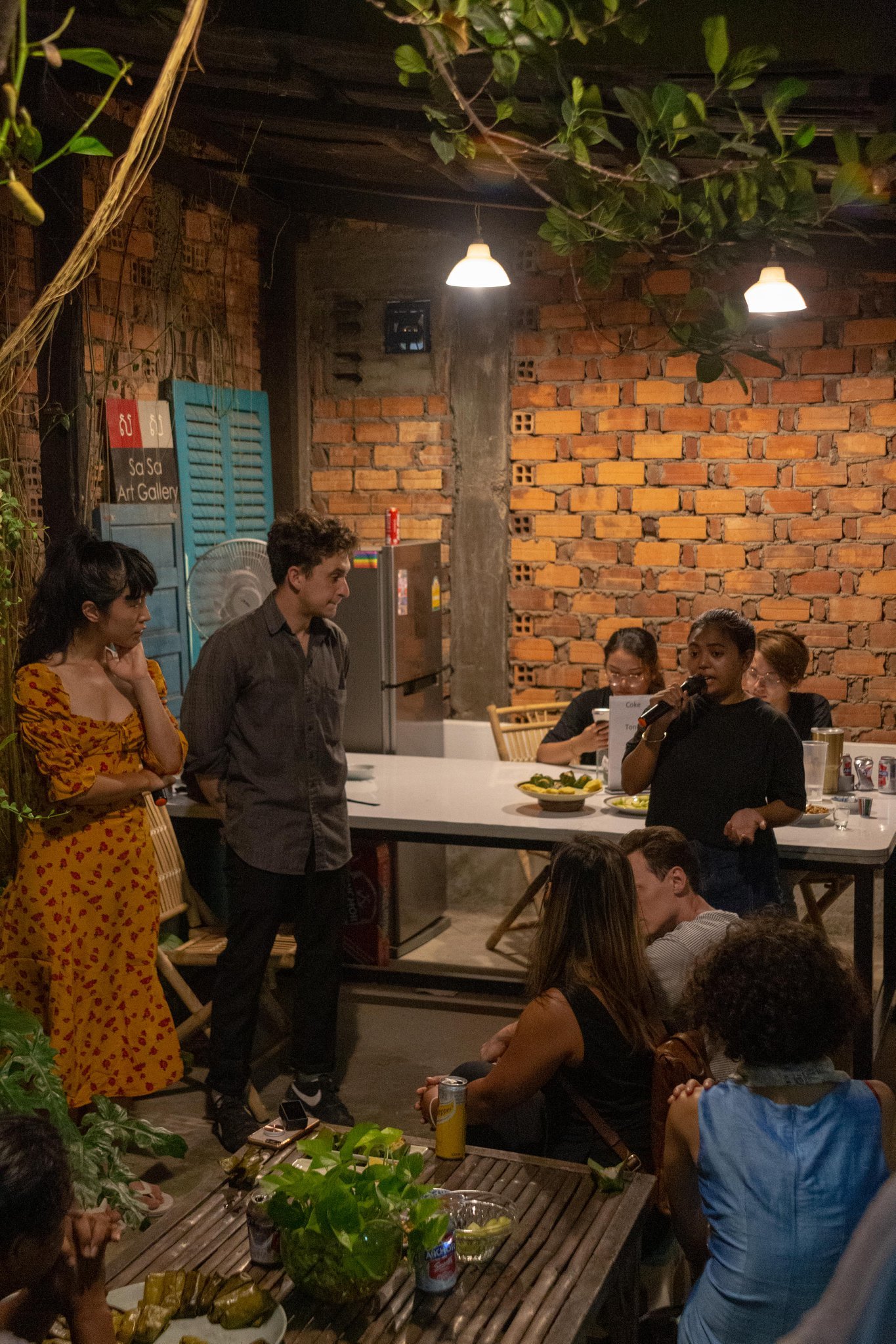
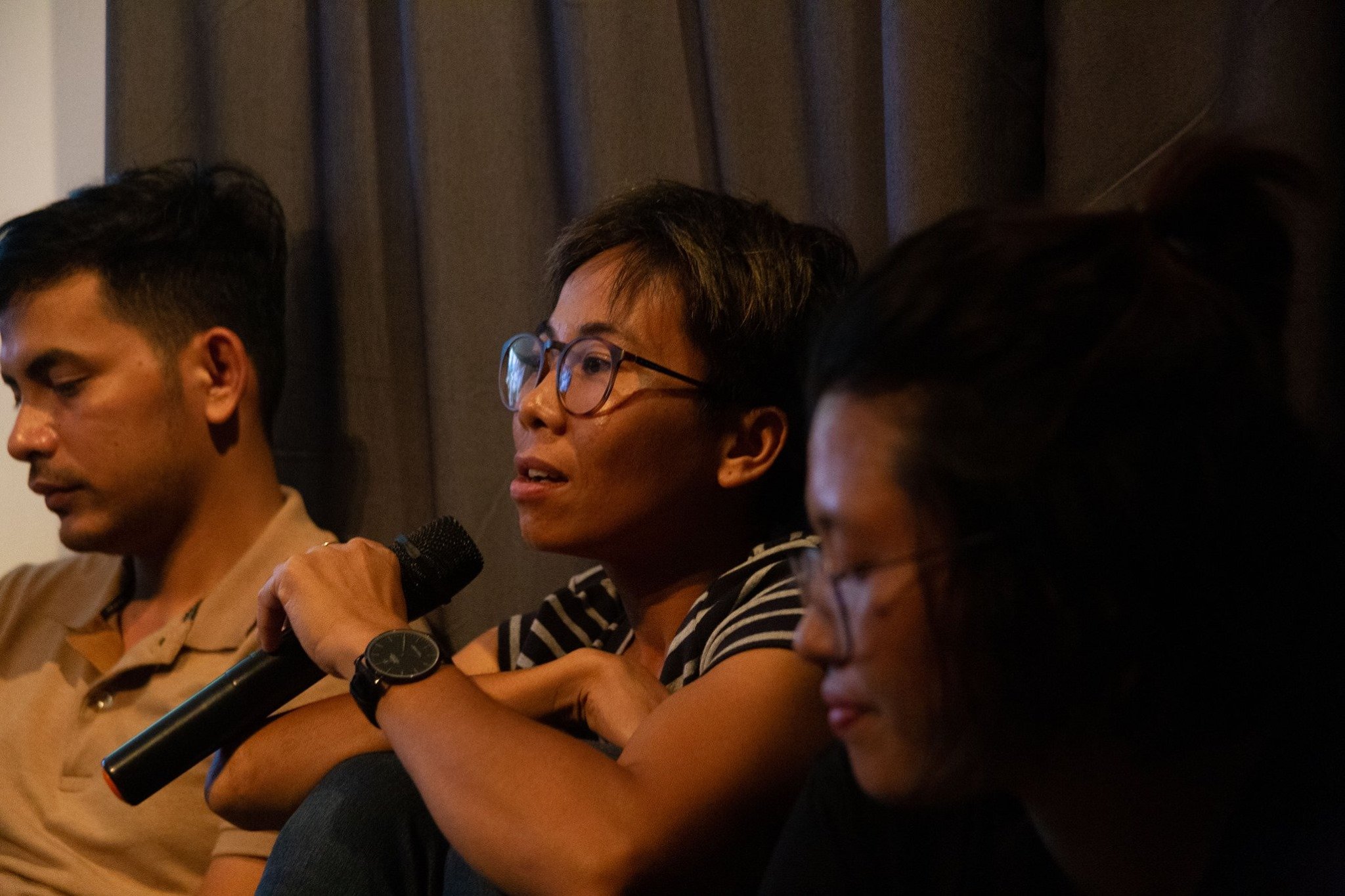
The Death Ritual : Open studio with artist Soojin Chang
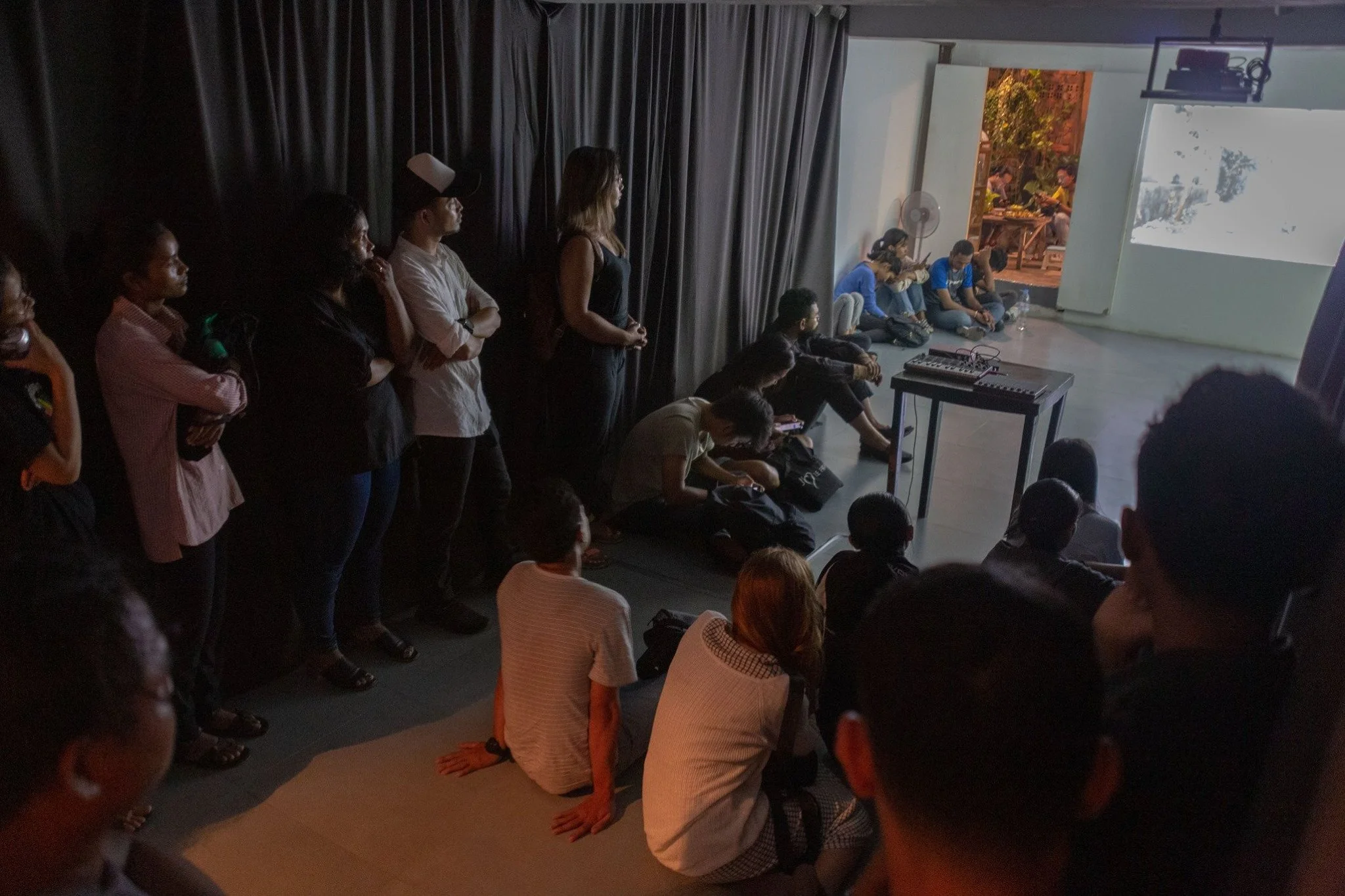
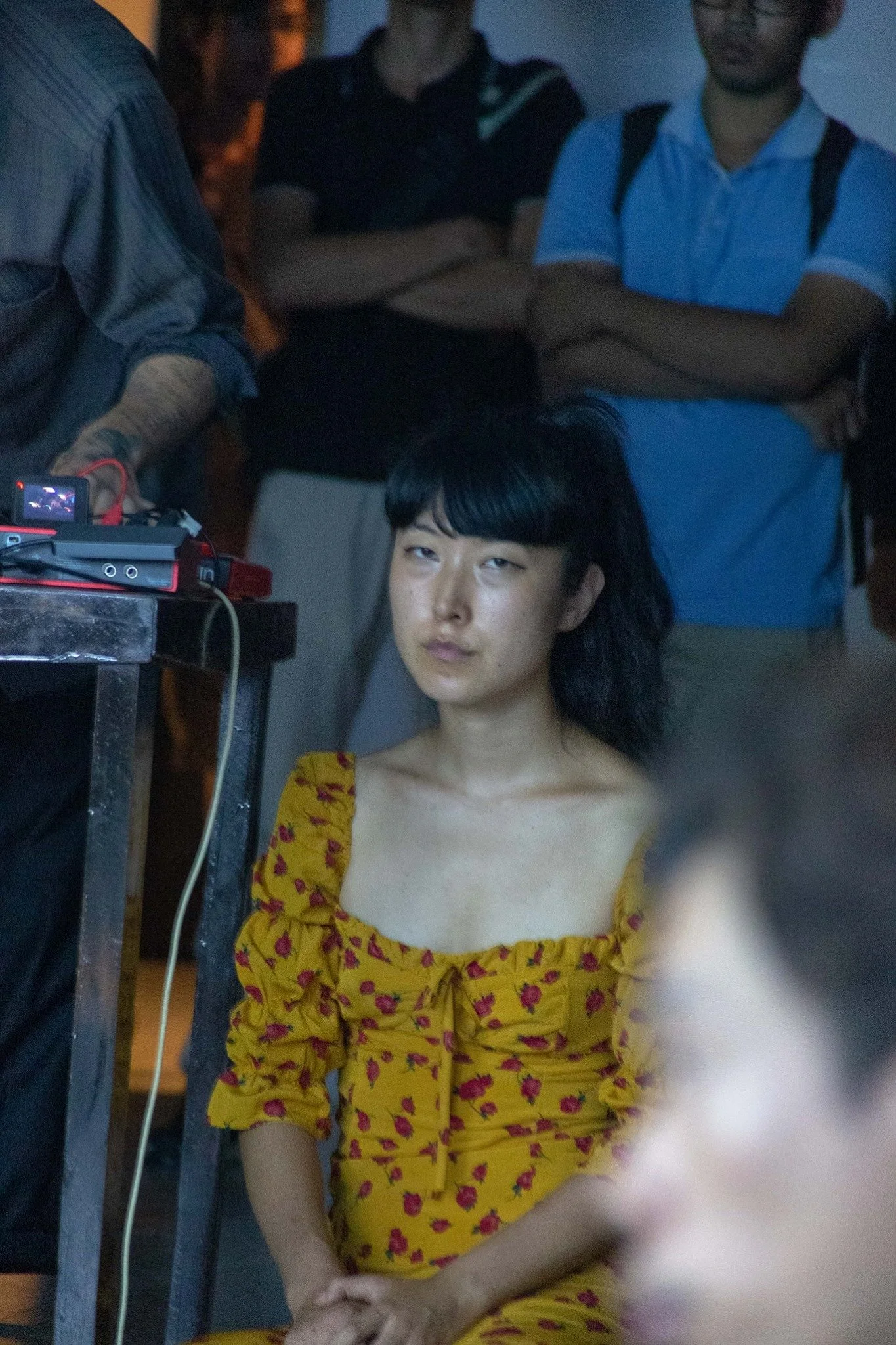
Wednesday 21st August 2019, 6pm – 8:00pm
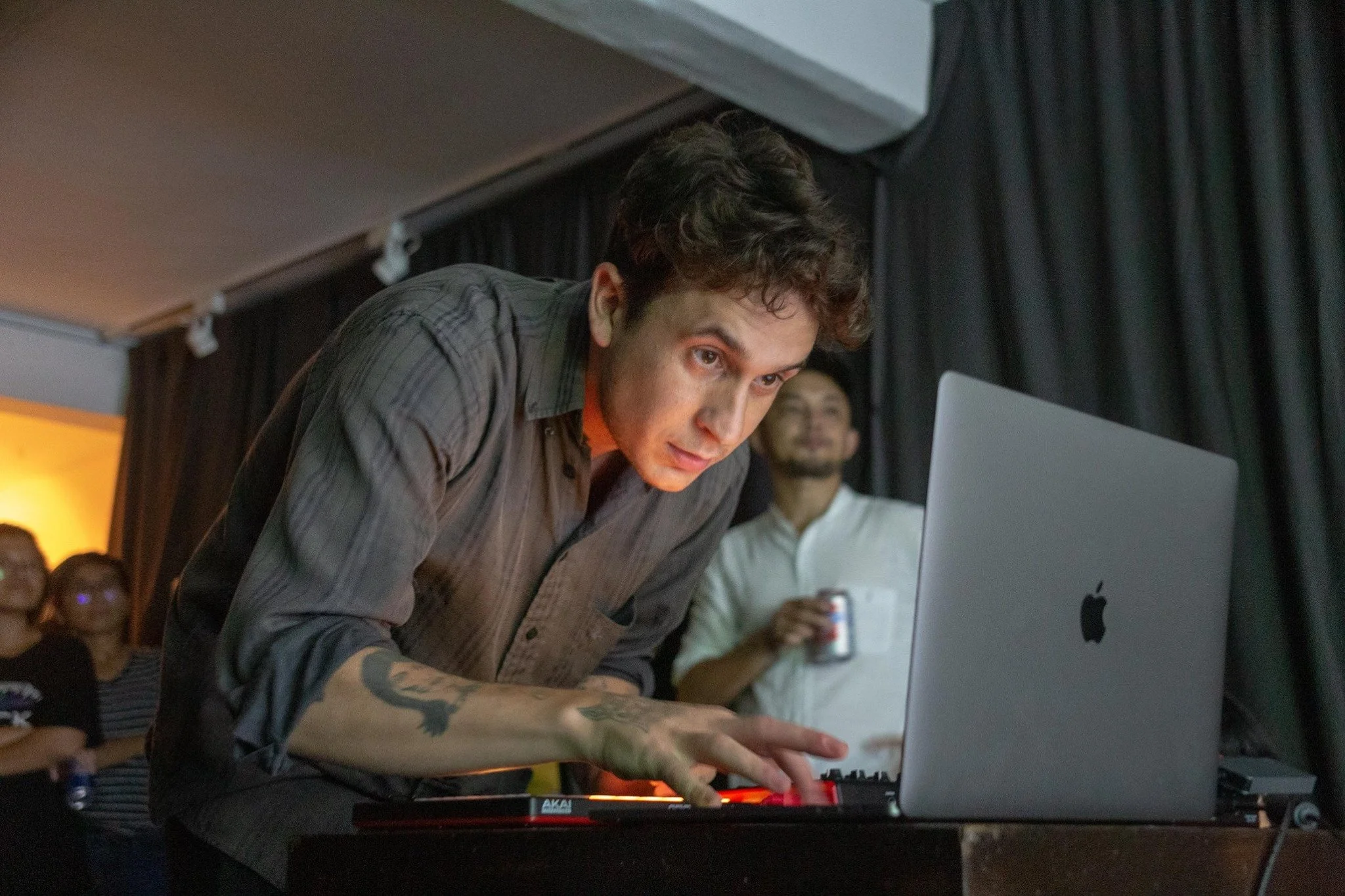
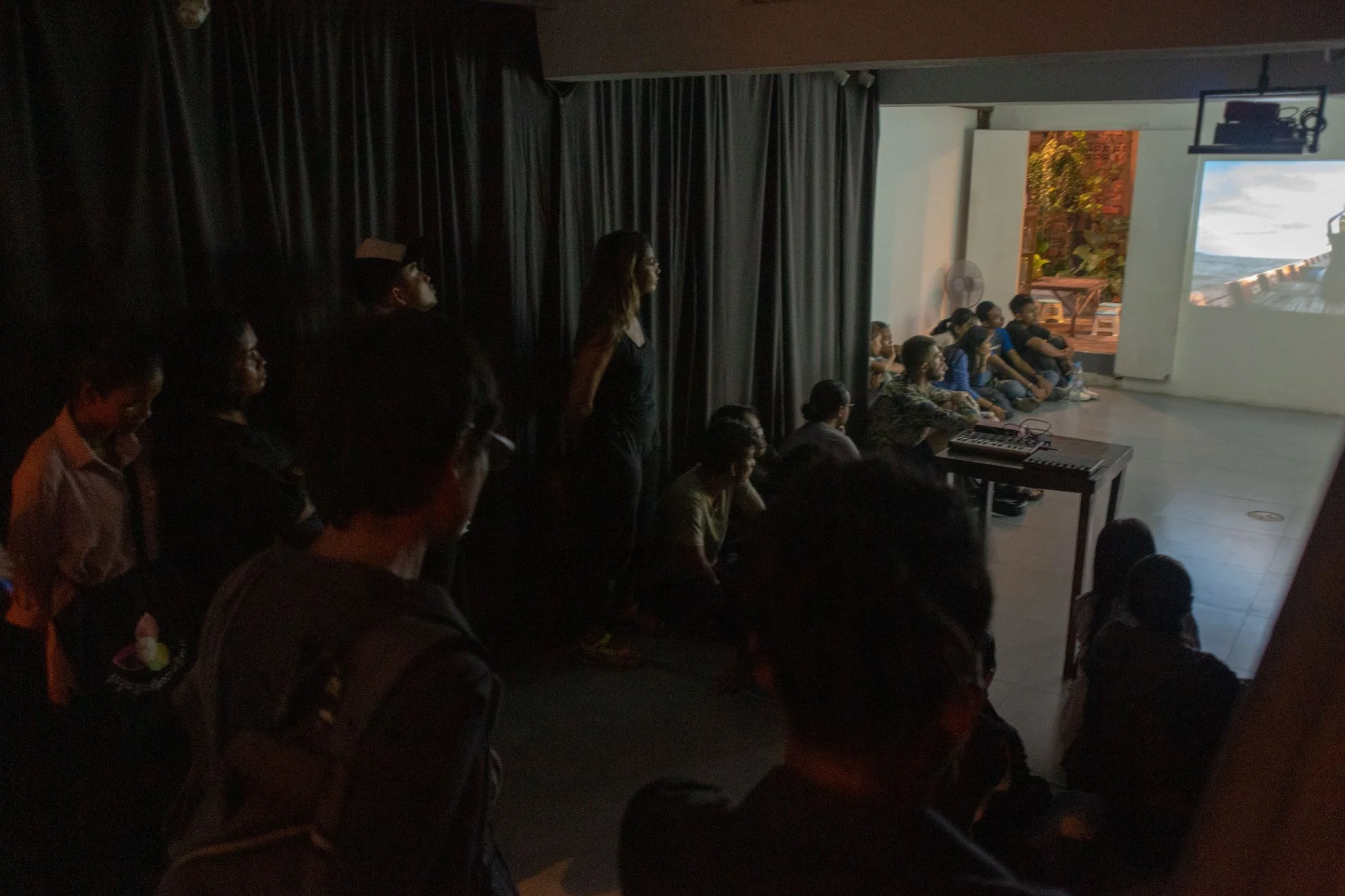
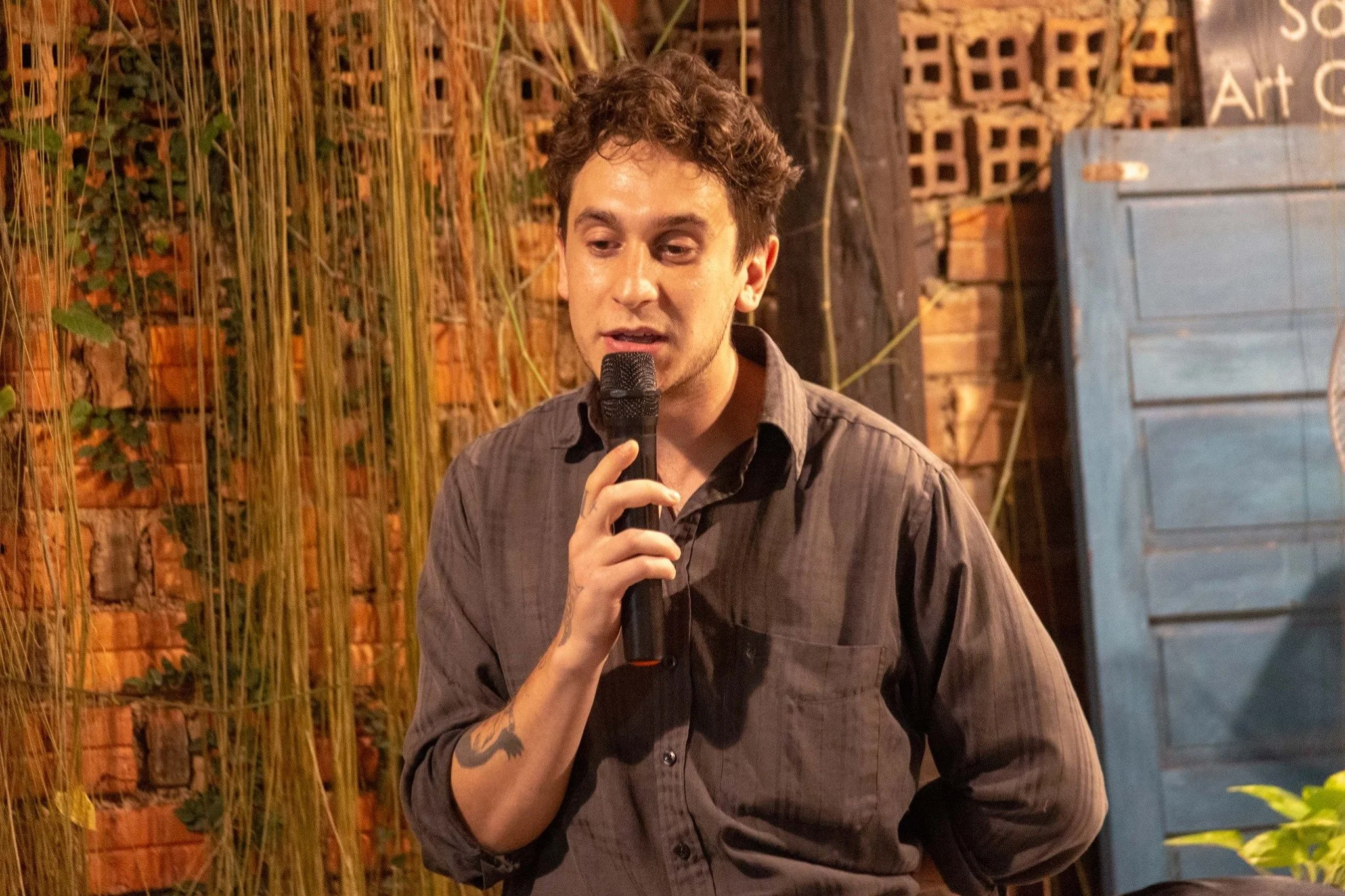
Live sound performance by Jack Everett 6:45pm – 7:15pm
In English with Khmer translation
Sa Sa Art Projects, #47 St 350 (off 95)
Soojin Chang' residency is made possible through the support from Rei Foundation.
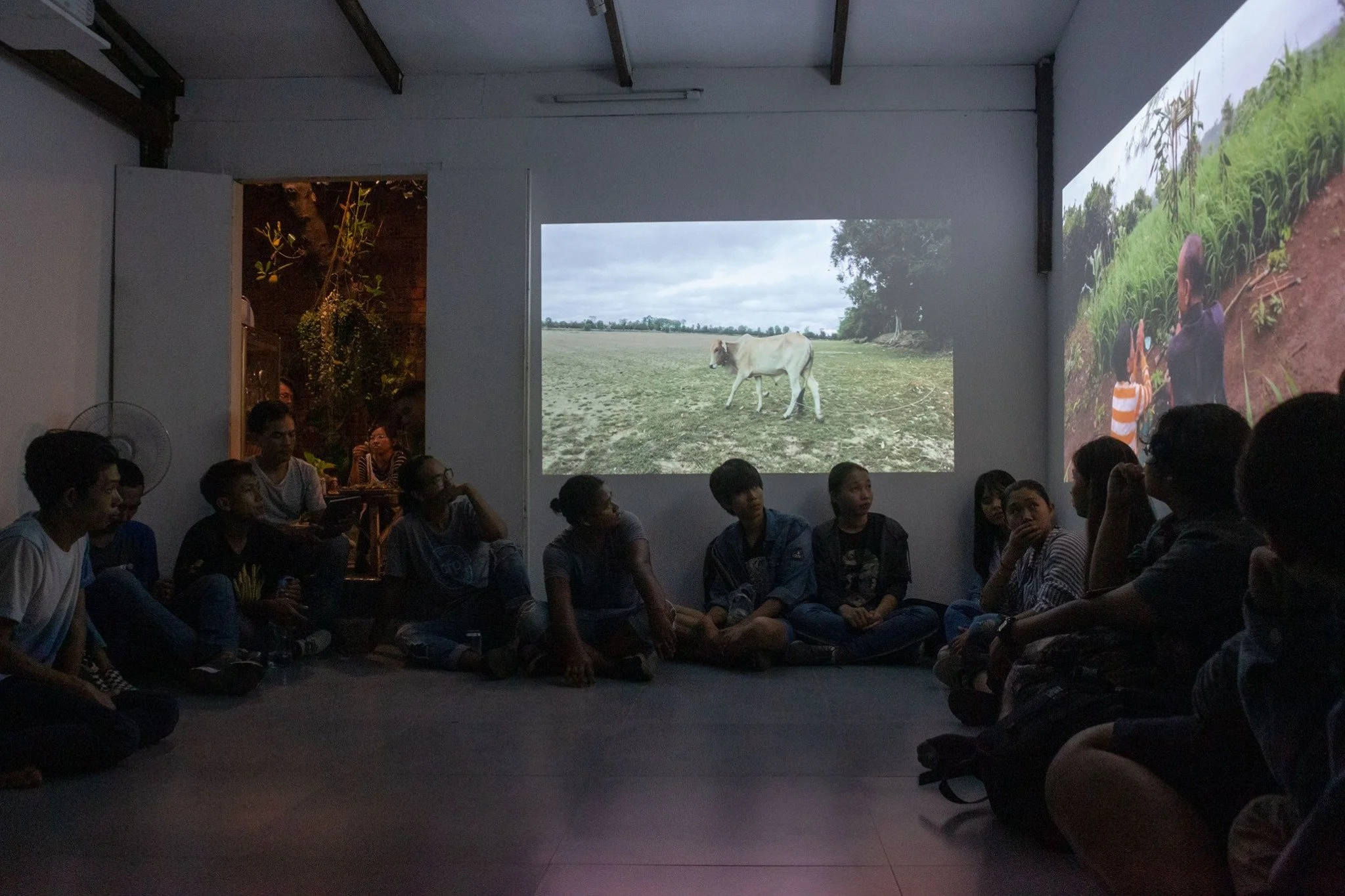
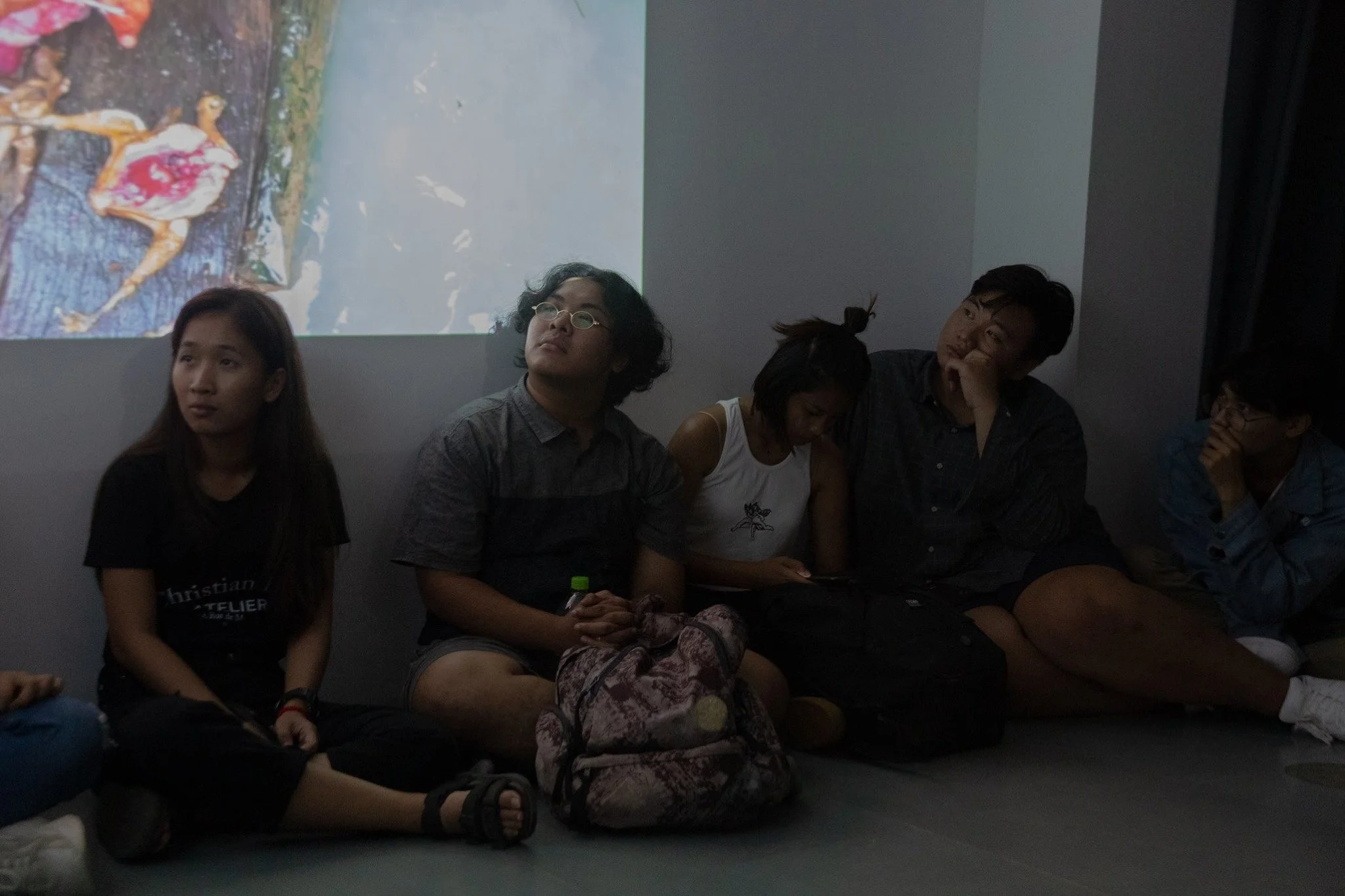
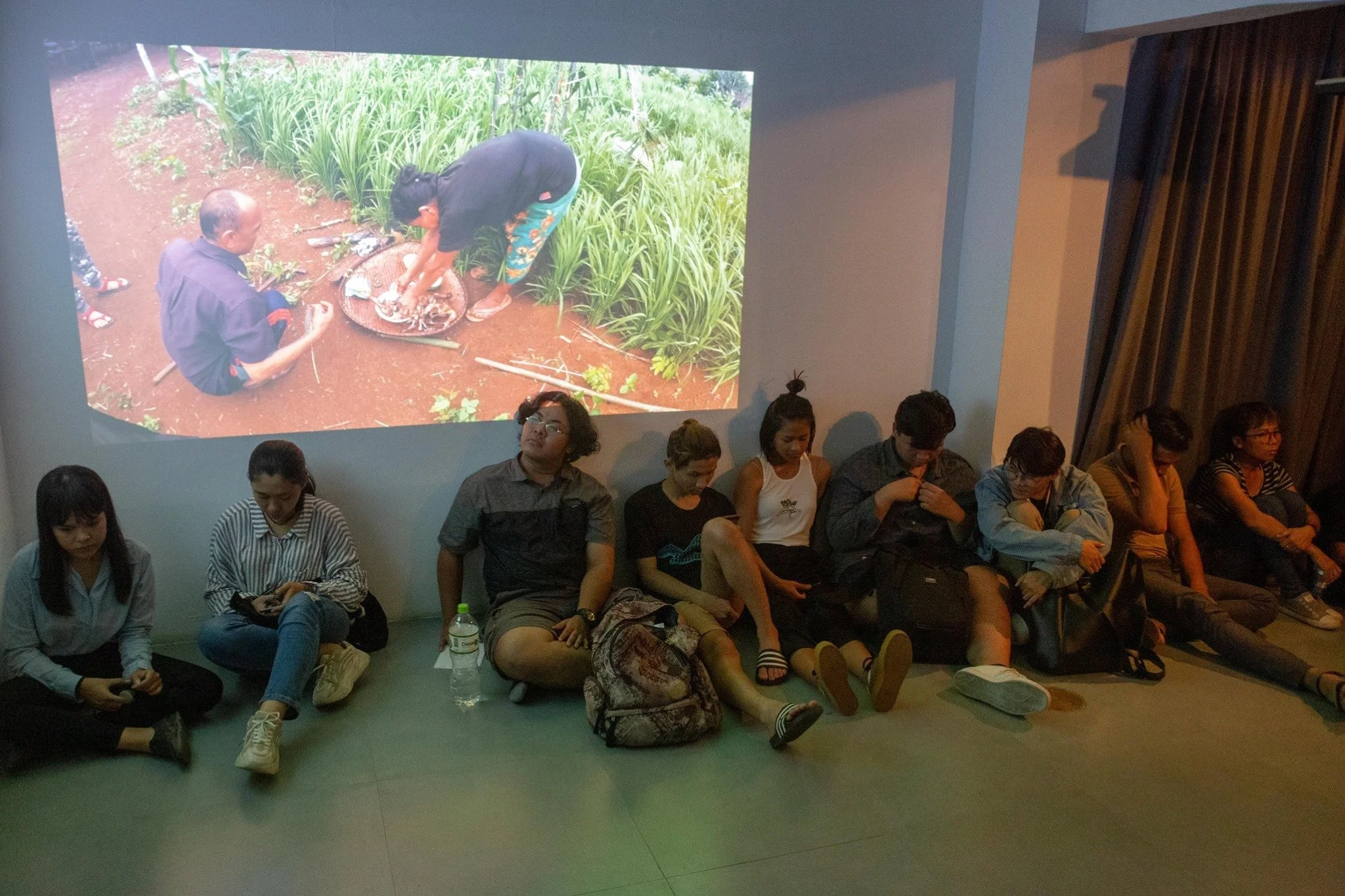
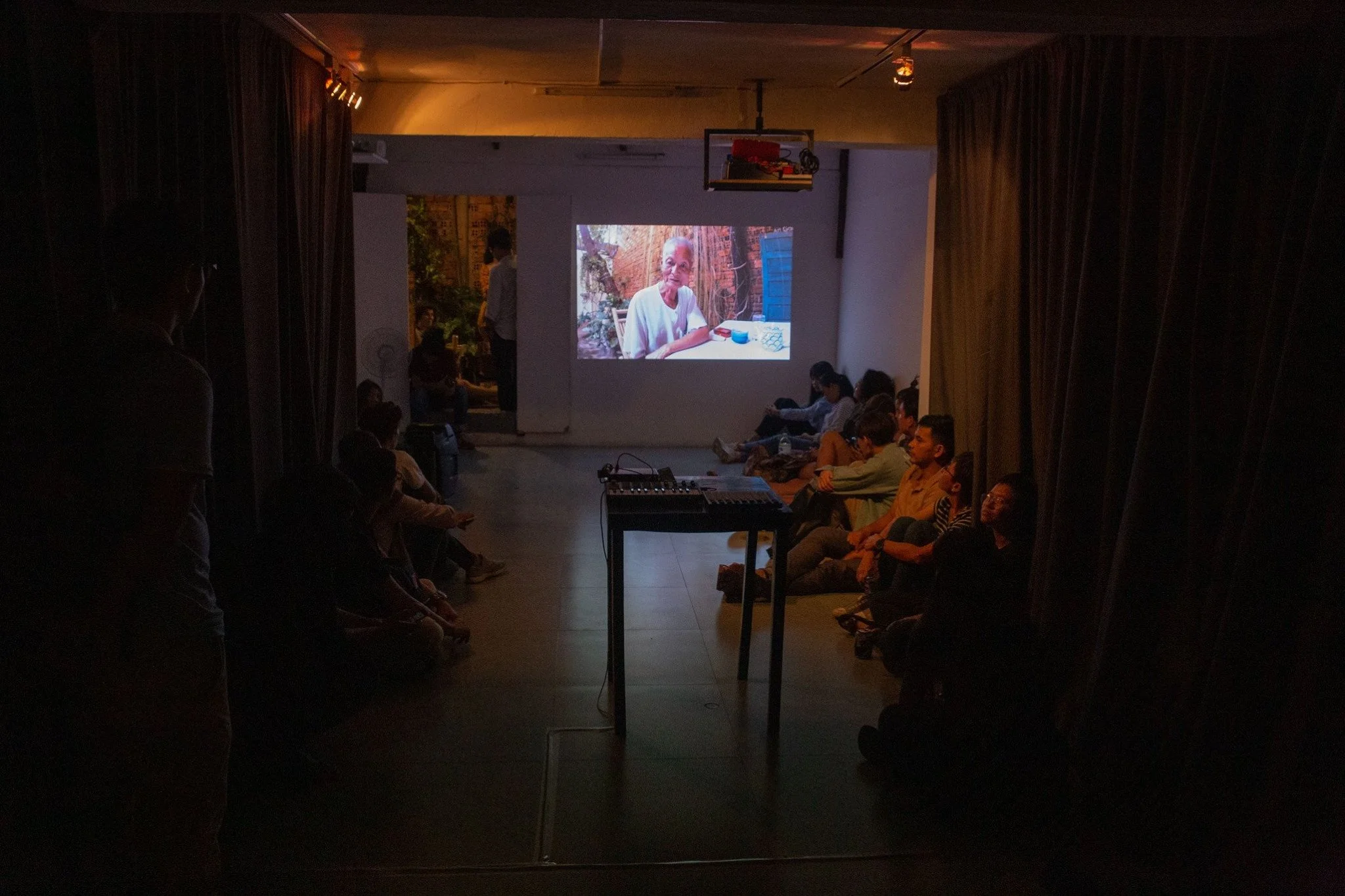
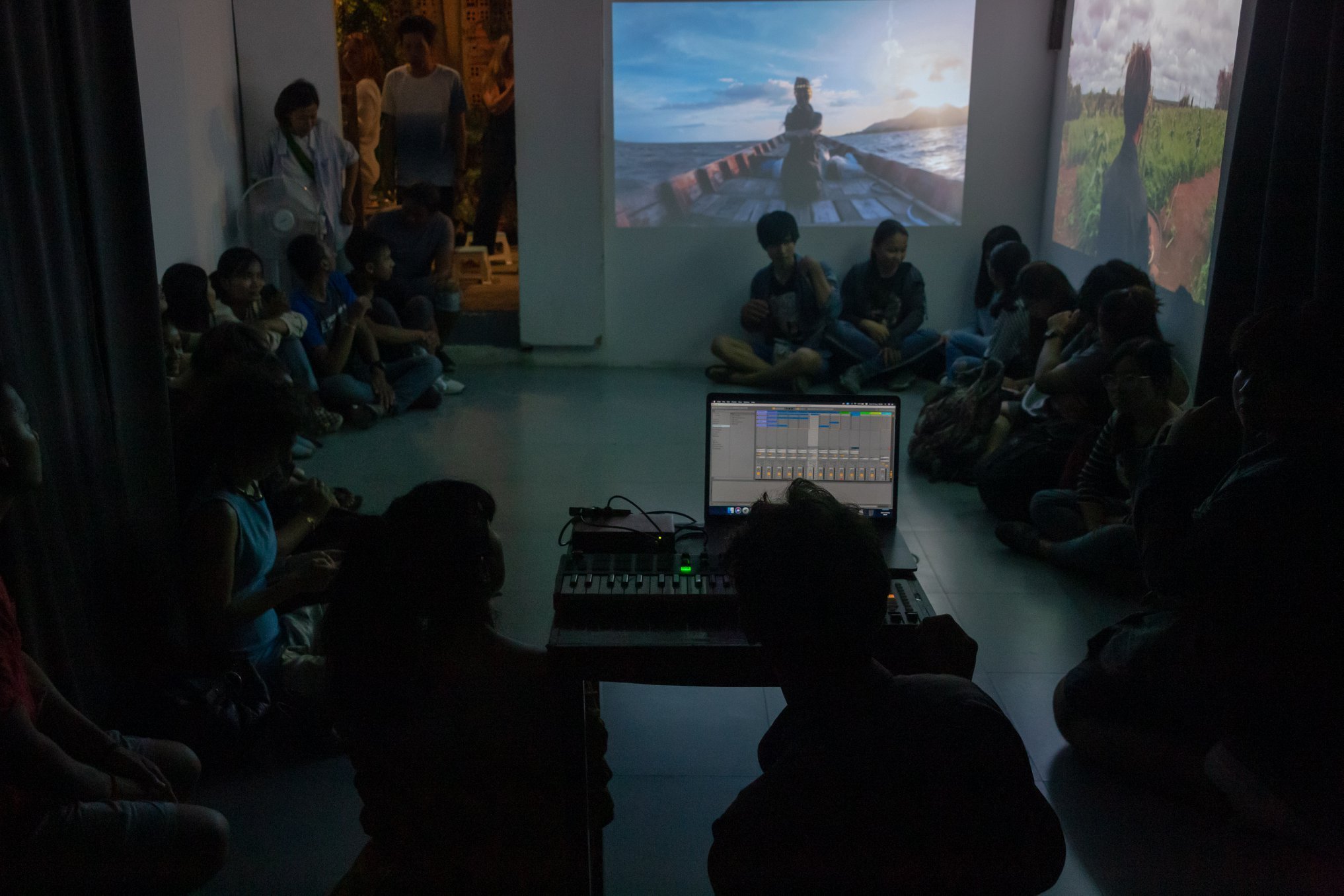
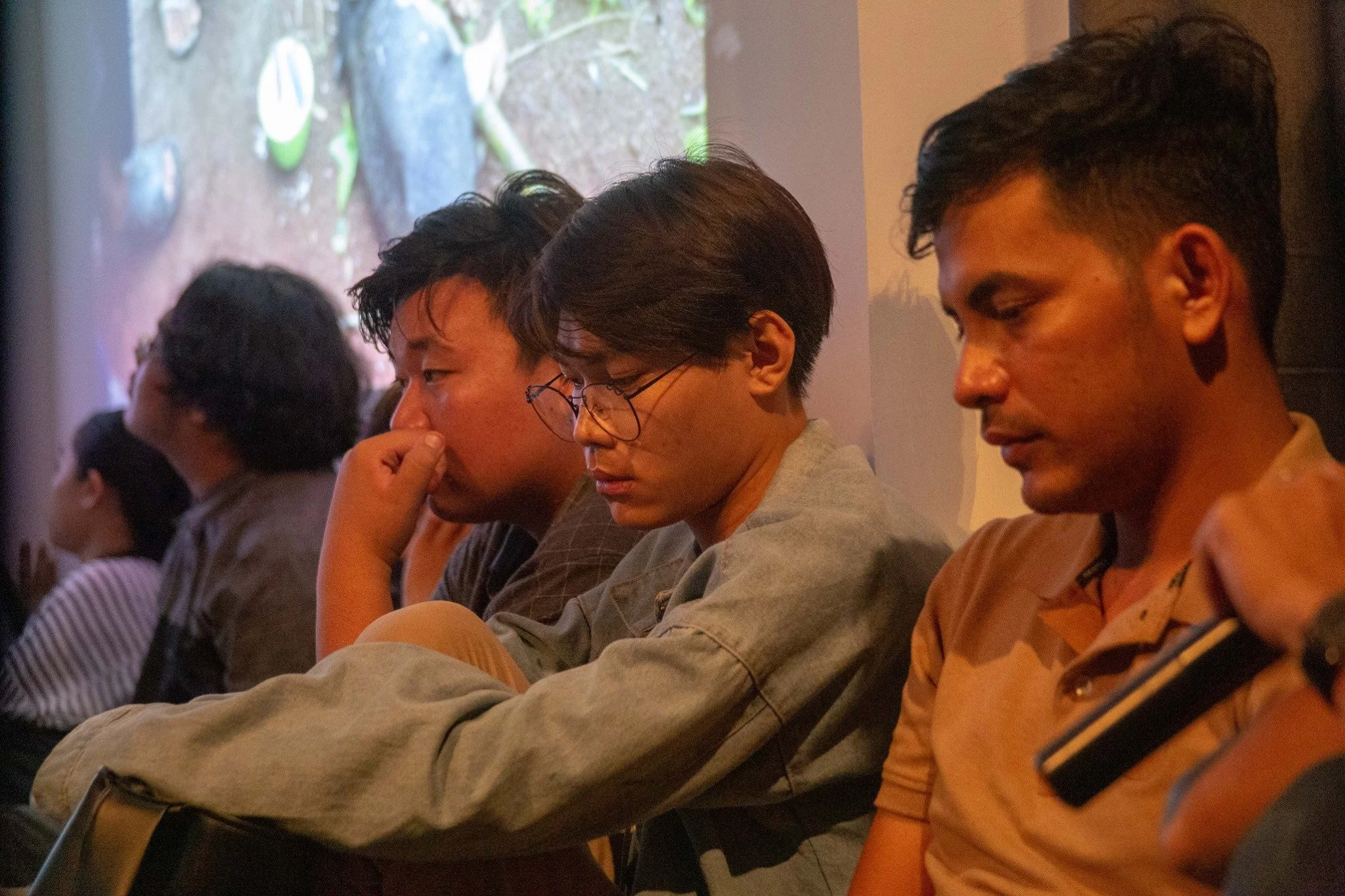
The Death Ritual (Showing in the Mirror) is a two-channel video and live sound work-in-progress.
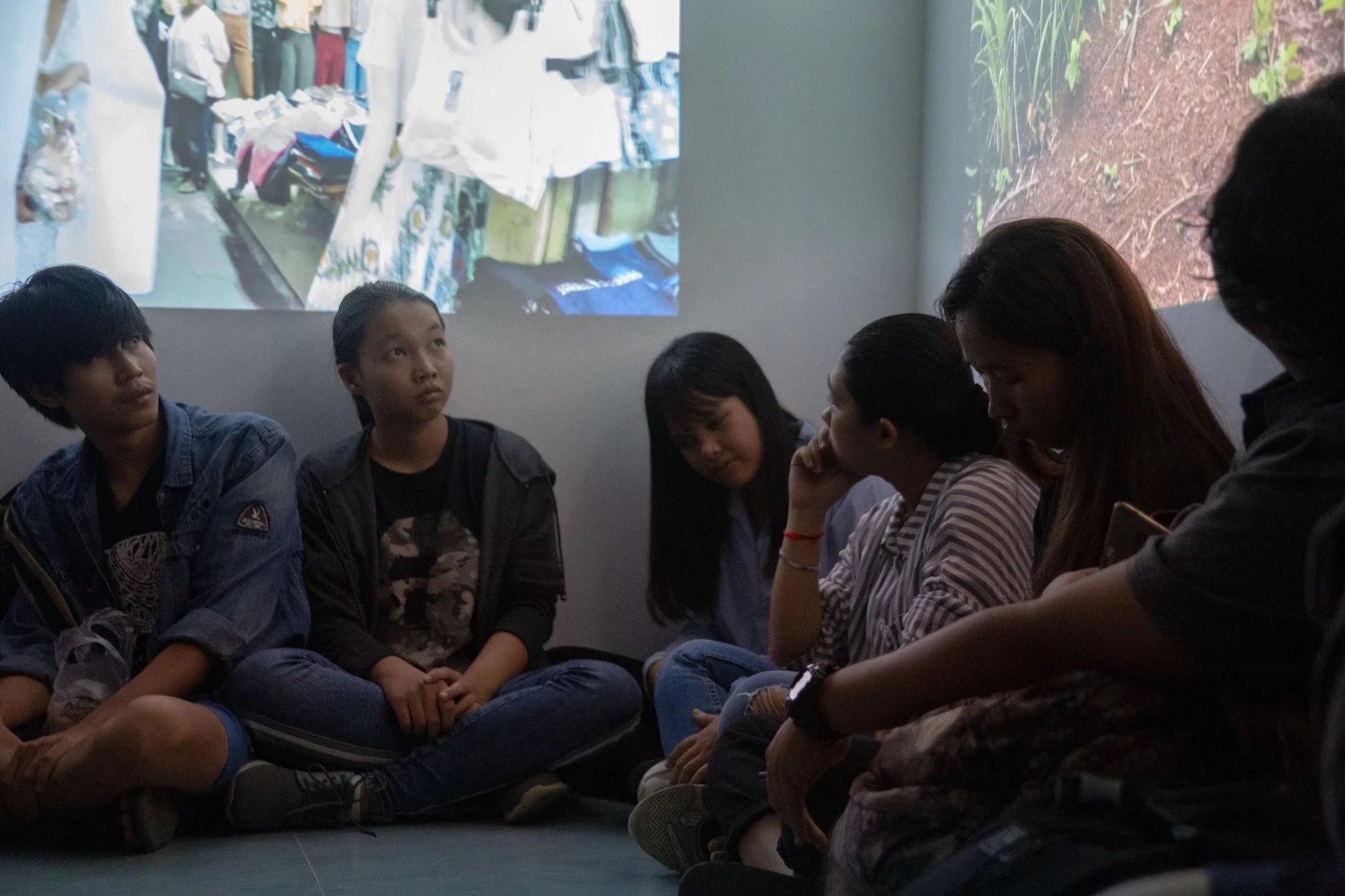
The first channel shows footage from a sacrificial animal ritual practiced by the Kreung people in Ou Chum, Ratanakiri.
The second channel is a funeral ritual for 3 fragments of cow body parts bought in Toul Tompong market, intercut with words and sounds by Khvay Loeung, an ajar and sound inventor based in Phnom Penh.
The two forms of rituals – firstly, an animal sacrifice for the human; and secondly, a human ritual subverted for the animal – are synthesized through a live sound performance with London-based musician Jack Everett. The sound collaboration samples Khvay Loeung’s chant and sounds from the funerary performance, as well as the sounds of amphibians recorded in Kampong Trach. The experiment in sound imagines a world where there are no longer any humans, and only spirits and sound remain.
Together, the works explore the relationship of individual death/rebirth to the death/rebirth of our planet. It creates a link between the violence that occurs within humans to the violence that humans practice towards the environment. The works show the act of killing and sacrifice on two scales, and brings to question which, if any, is more honorable or necessary.
The Death Ritual (Showing in the Mirror) proposes that the traumas internalized within us are transferred not only to our descendants, but also to the planet and to all living beings that are systematically oppressed in the Anthropocene.
The methodology for research presents competing universal motivations of capitalism, ecological conservation, and social politics as they are being reworked in local situations. The project’s investigation into the spiritual calls upon the idea that the living and dying are together at stake. It looks to the breakdown of bodily and ecological violence that occurs in ritual performance, and the produced indeterminacy which integrates and implicates the viewer to ask a further question: what types of contributions can ritual performance add to the rhetoric of social justice?
Research in Ratanakiri was possible through the advice of Sok Lida, a research officer for Equitable Cambodia, and with translation and co-interviews by Mech Choulay. The video performance and public intervention was produced by Kong Dara with cinematography by Kong Siden.

About artist
Soojin Chang’s artistic practice is led by an inquiry into political and individual trauma, particularly the way these are internalised and inherited in the body schema. Her performance and video works are driven by examinations into the agency and fertility of both humans and nonhumans. Her work aims to deconstruct systems of oppression and power in order to rethink ecological destruction. She uses appropriation to challenge authorship and renegotiate representations, survival mechanisms, and immigration patterns of colonised cultures and diasporas. Selected exhibitions include MoMA PS1, New York; Institute of Contemporary Arts, London; Centre for Contemporary Arts, Glasgow; Microscope Gallery, New York; and the Art/Life Institute, New York.
More about Soojin Chang at: http://www.soojinchang.com
About Khvay Loeung
Khvay Loeung (b. 1940, Svay Rieng) is a self-taught sound specialist and inventor. He is also an Ajar for funeral ceremonies. With a strong interest in electronics, Loeung experiments with sound creation, making and modifying DIY sound equipment for his work at the funerals. Loeung has worked with Chiang Mai artist Arnont Nongyao developing sound projects together in 2015 and 2018 in Phnom Penh and Chiang Mai.