Myth in Motion
By Martha ATIENZA, Ana María MILLÁN, Thao Nguyen PHAN, Ana VAZ, and Connie ZHENG
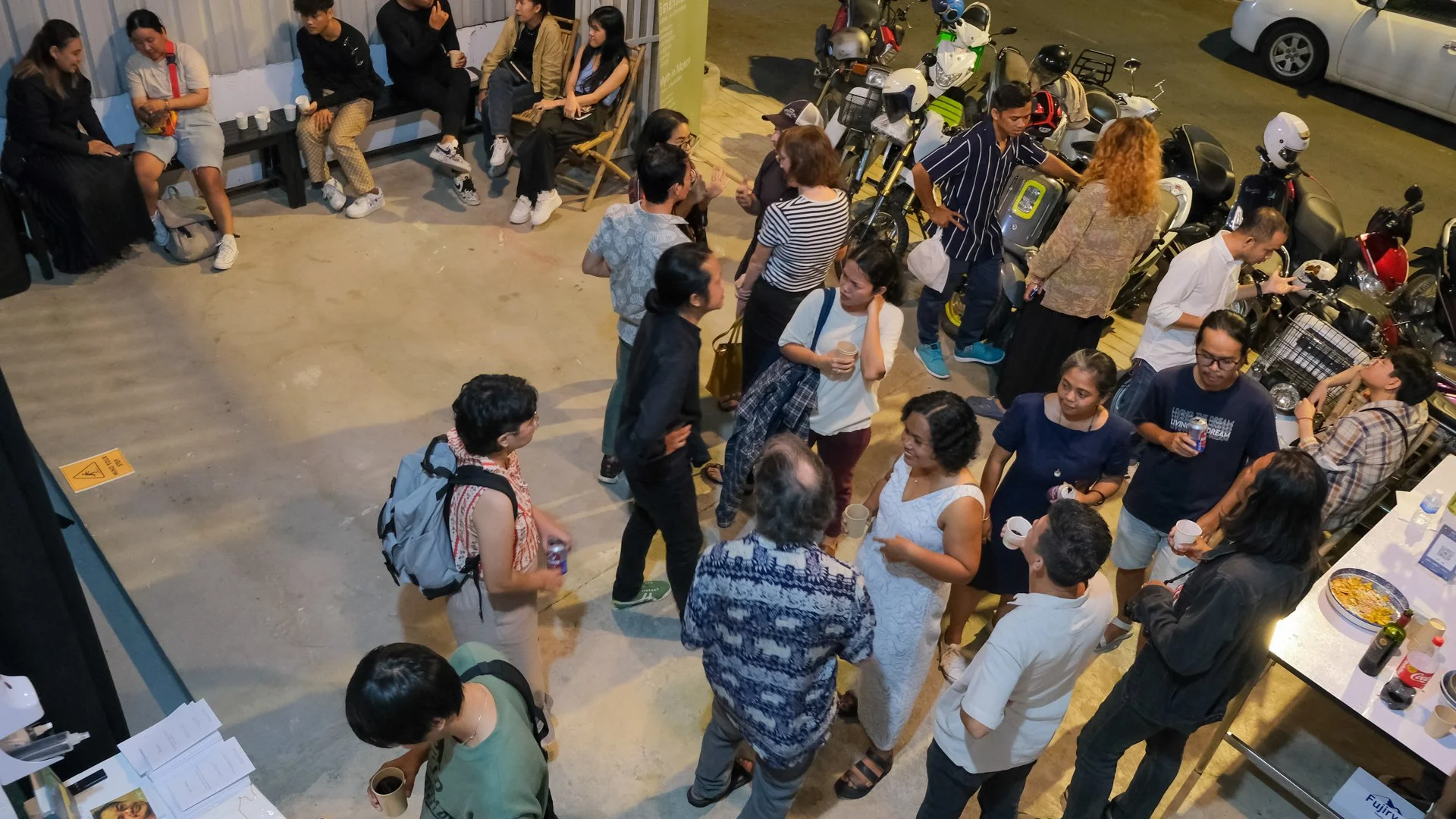
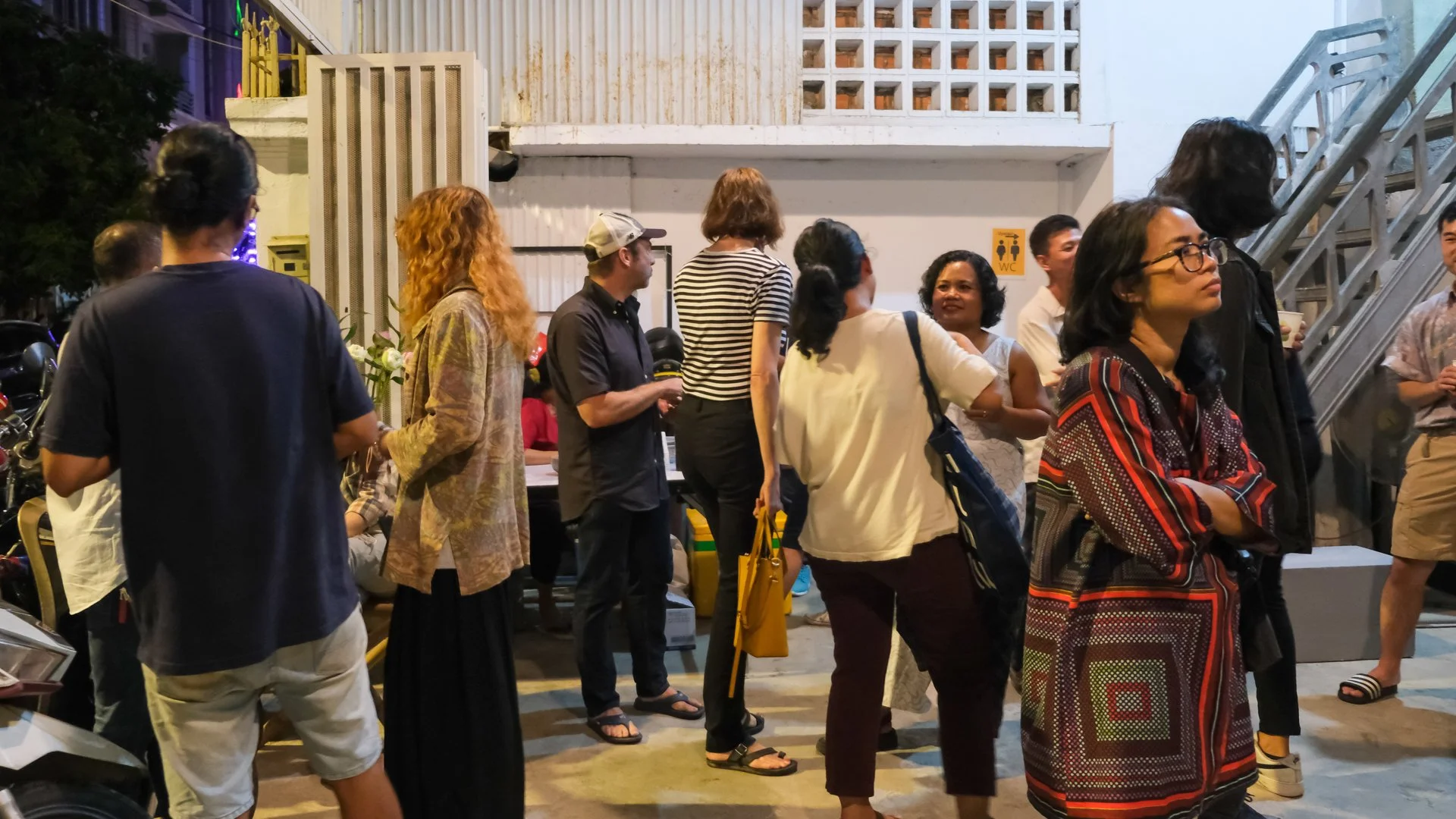
Opening: Wednesday, 7 June 2023, 6-8 pm
Exhibition: 7 June – 12 August 2023
Sa Sa Art Projects
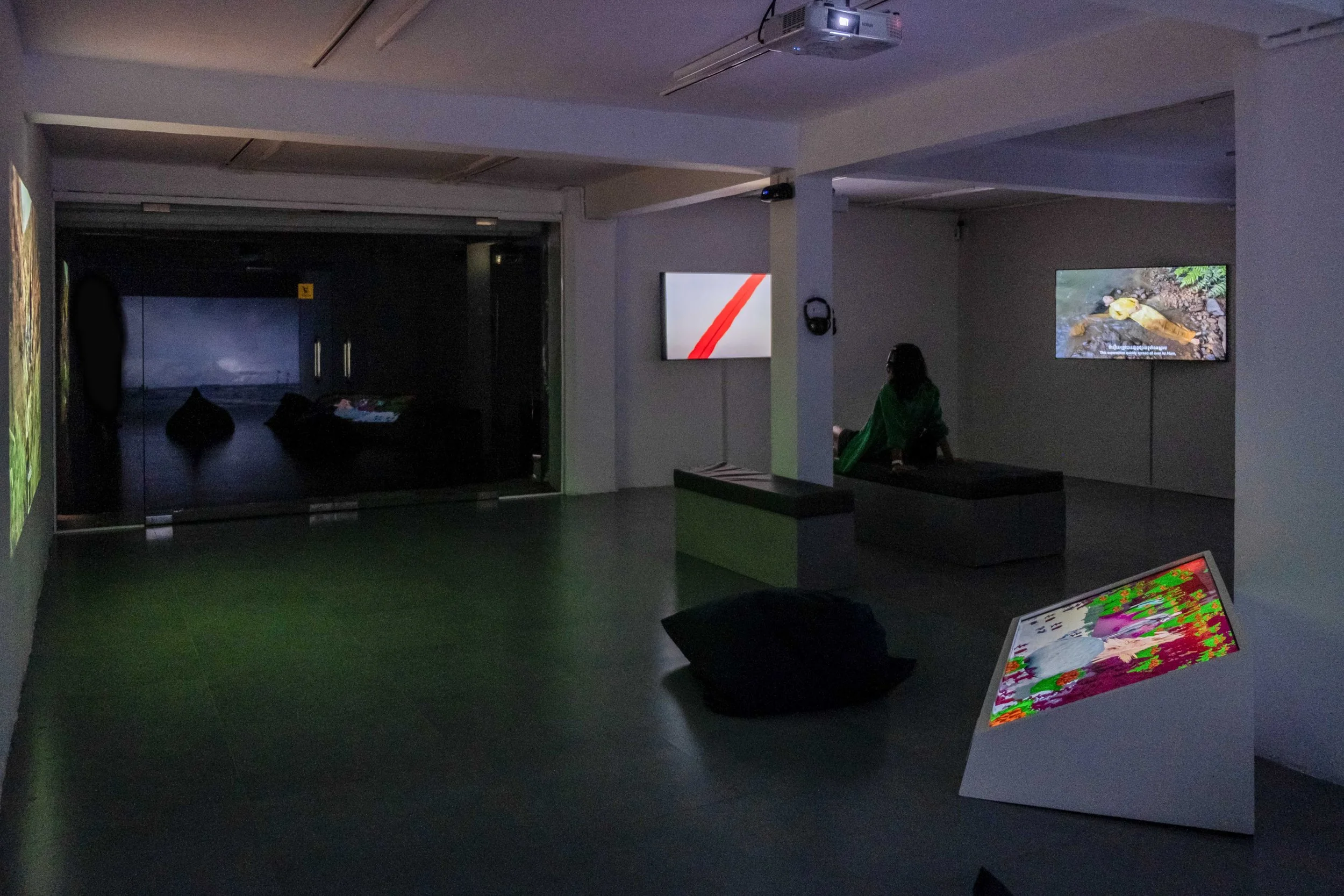
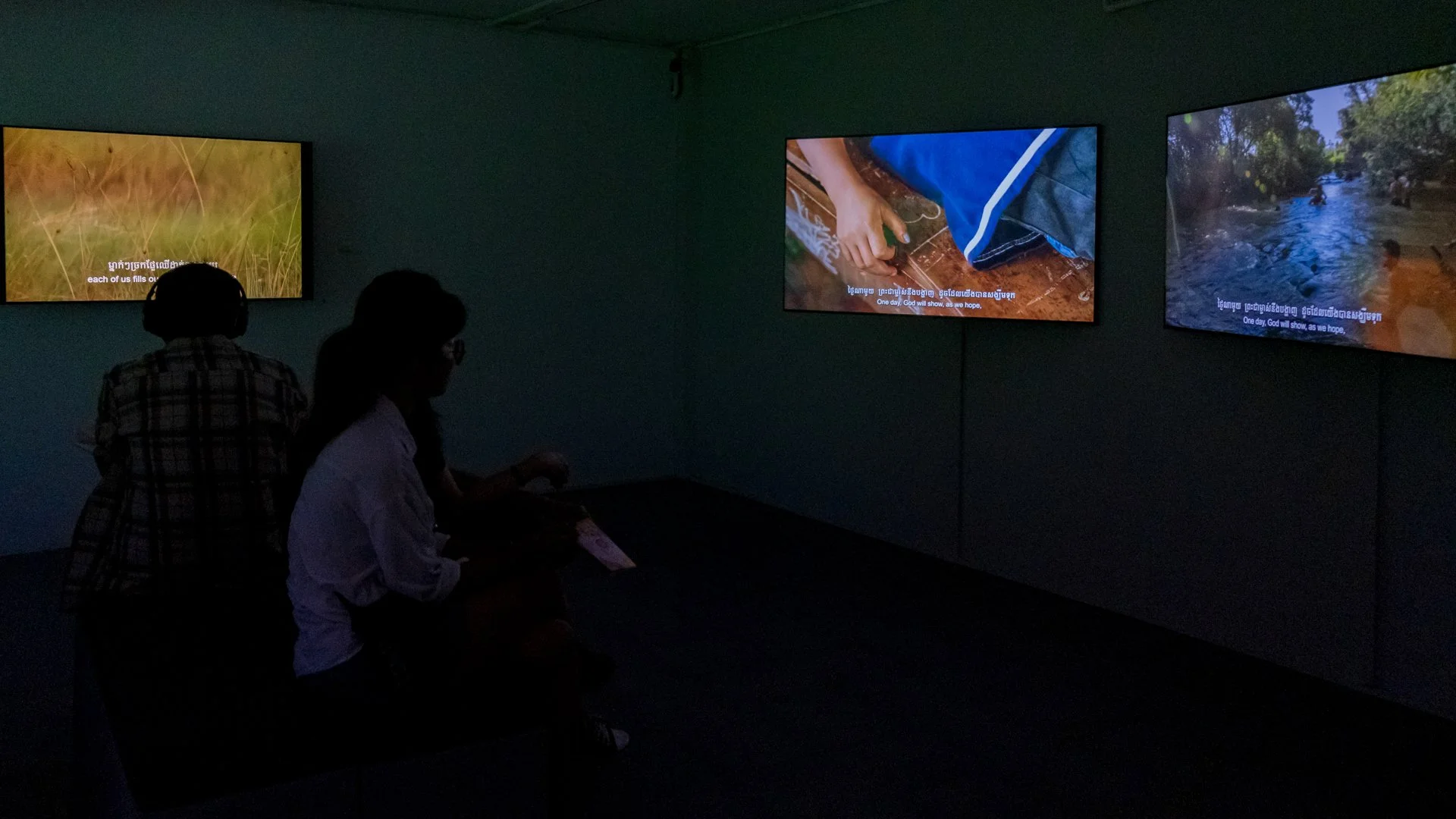
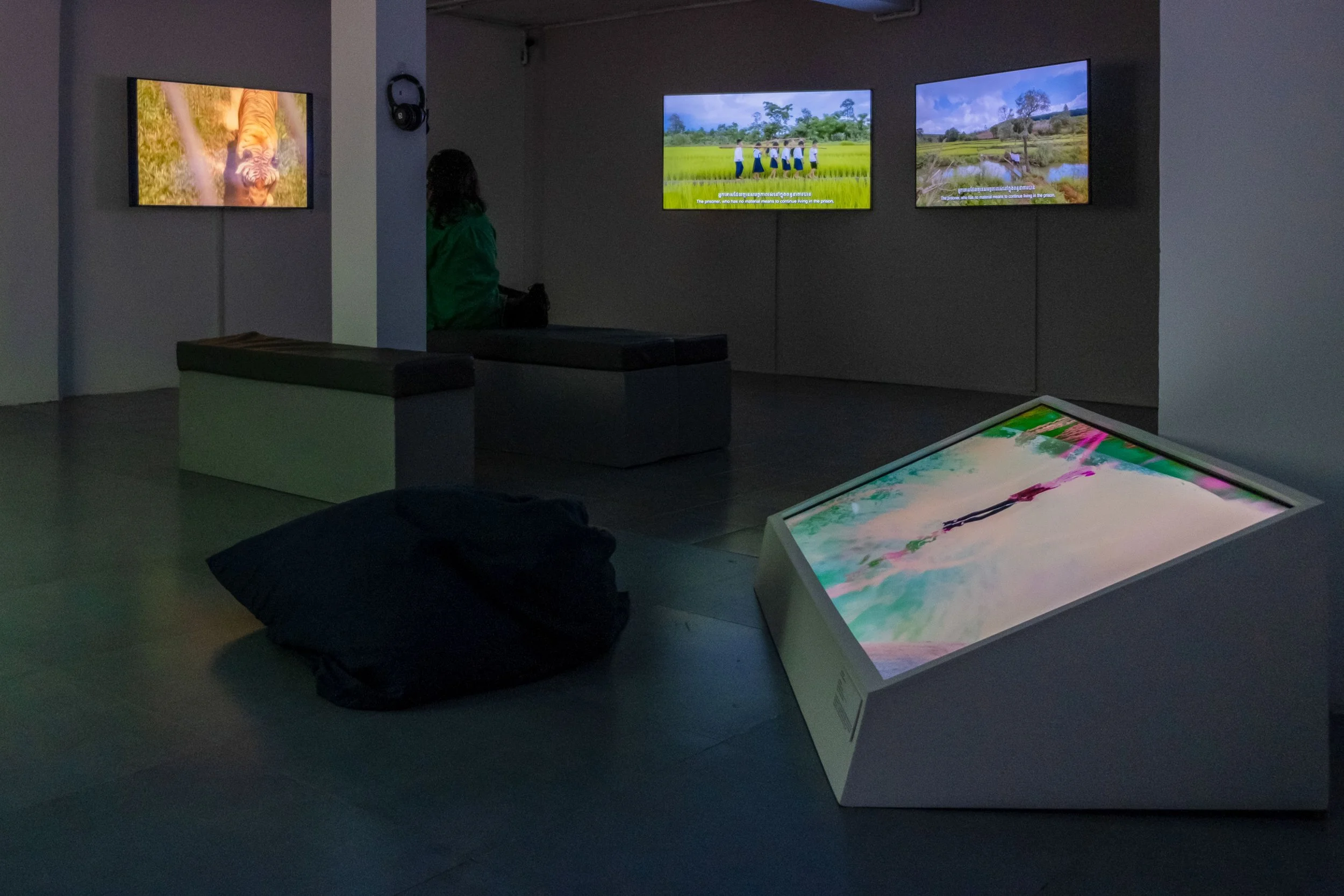
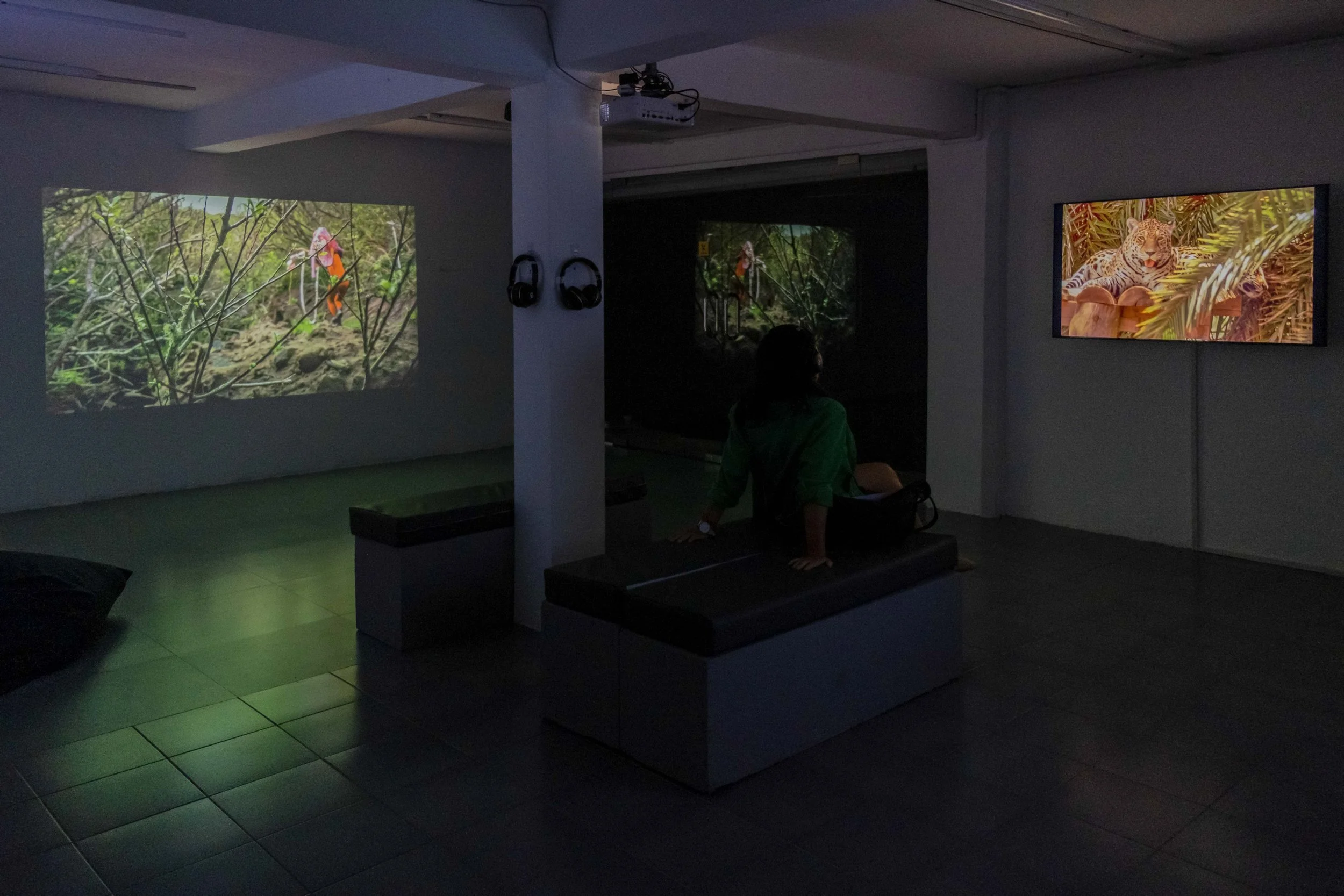
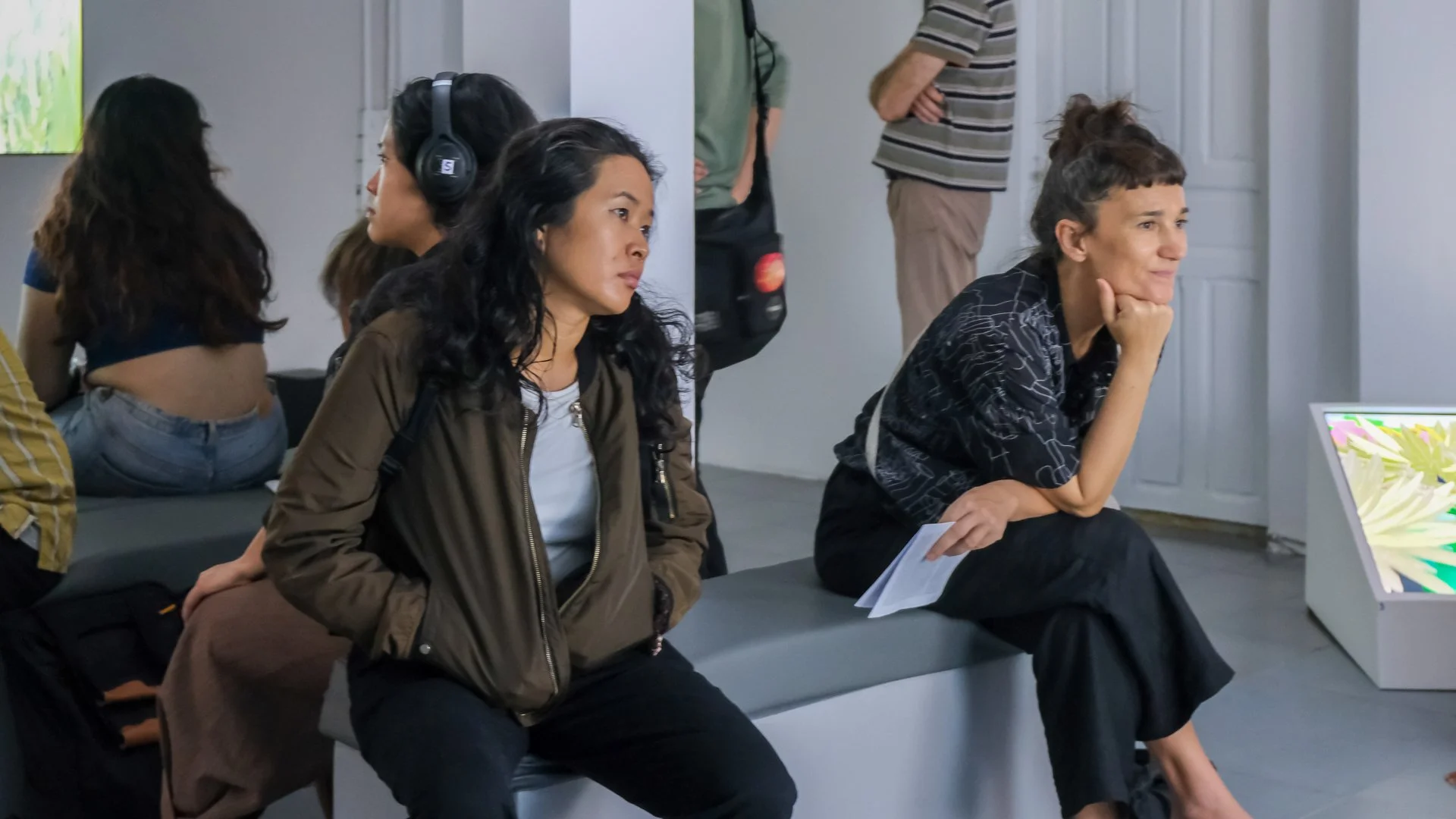
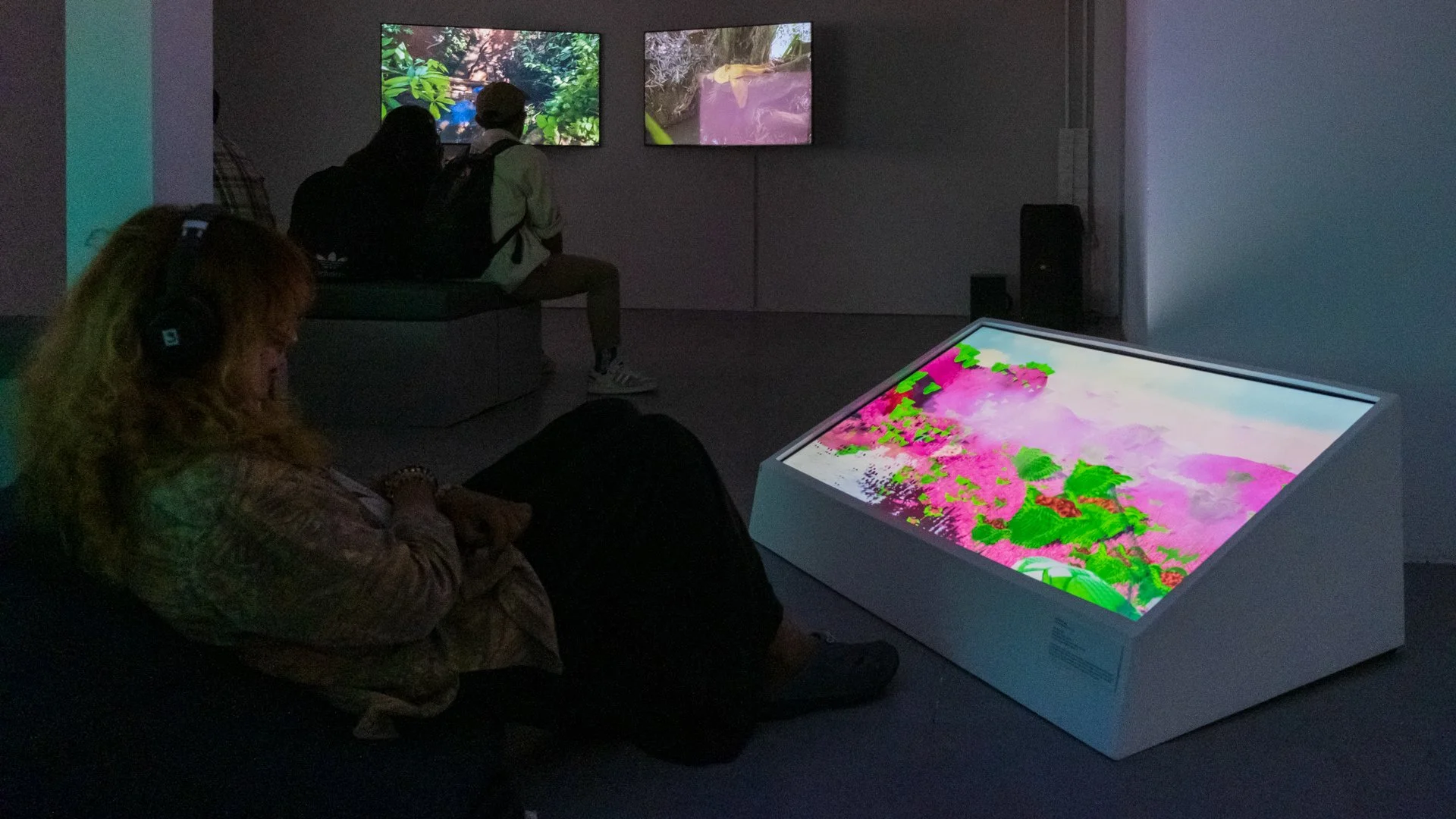
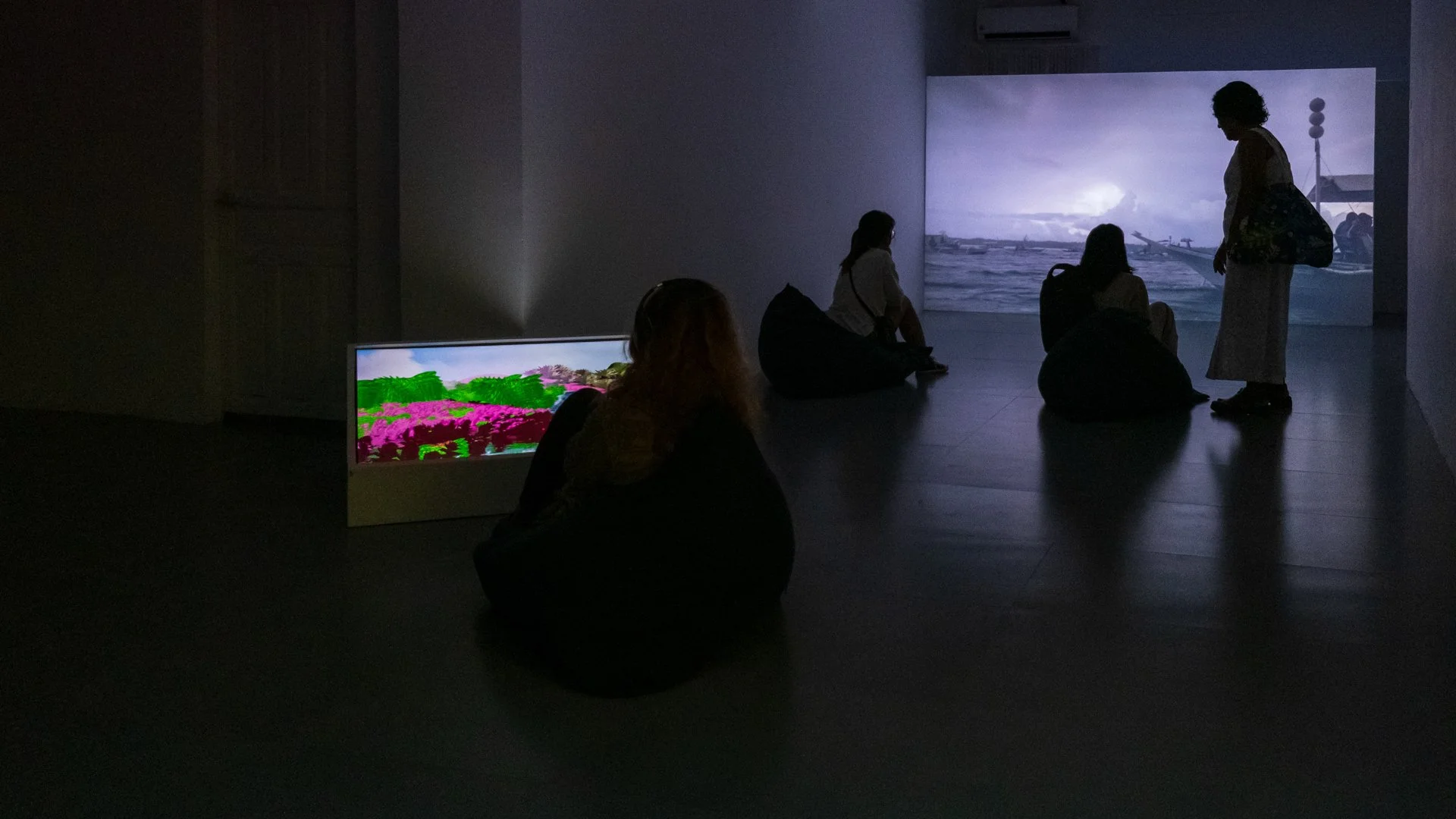
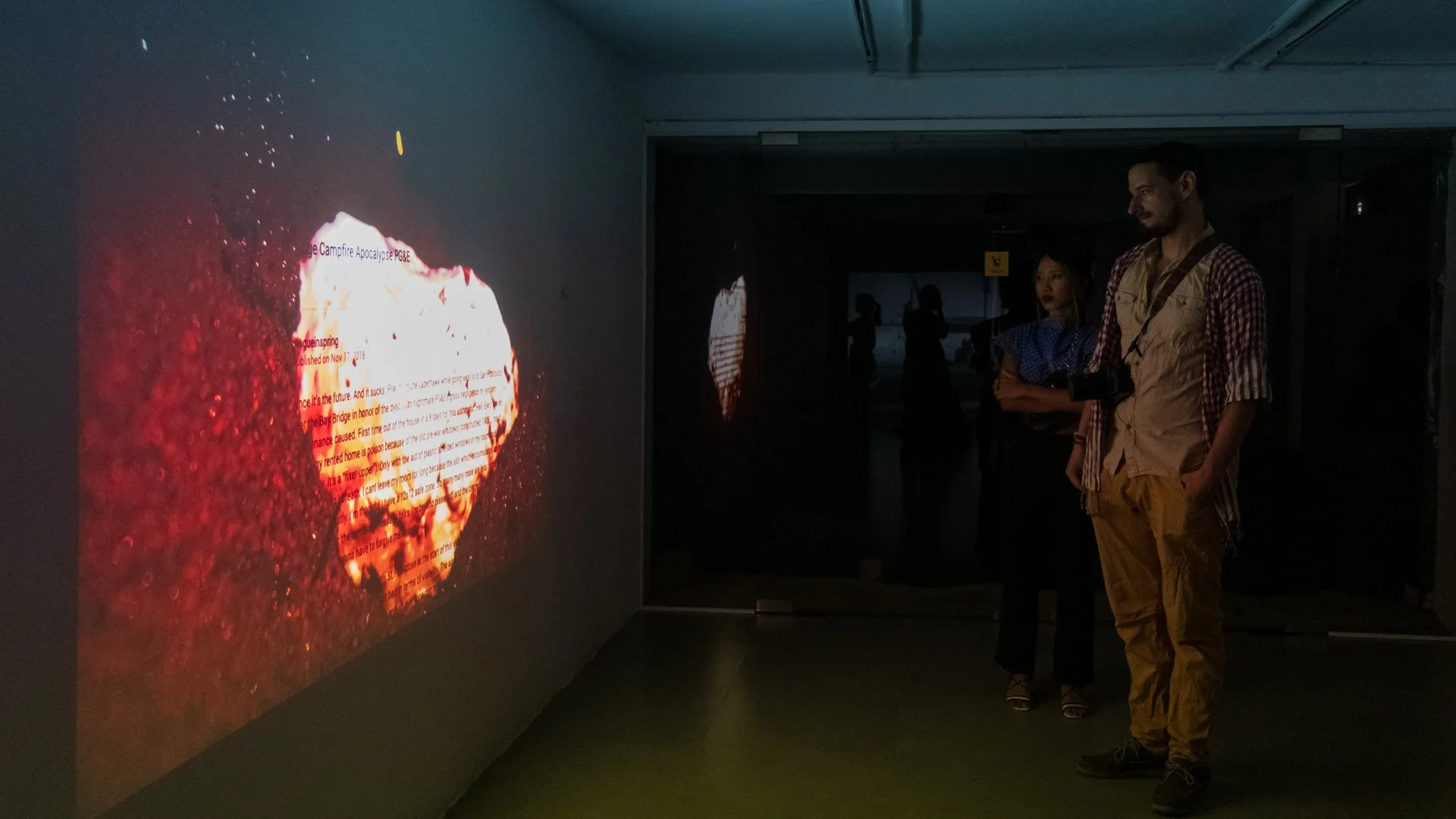
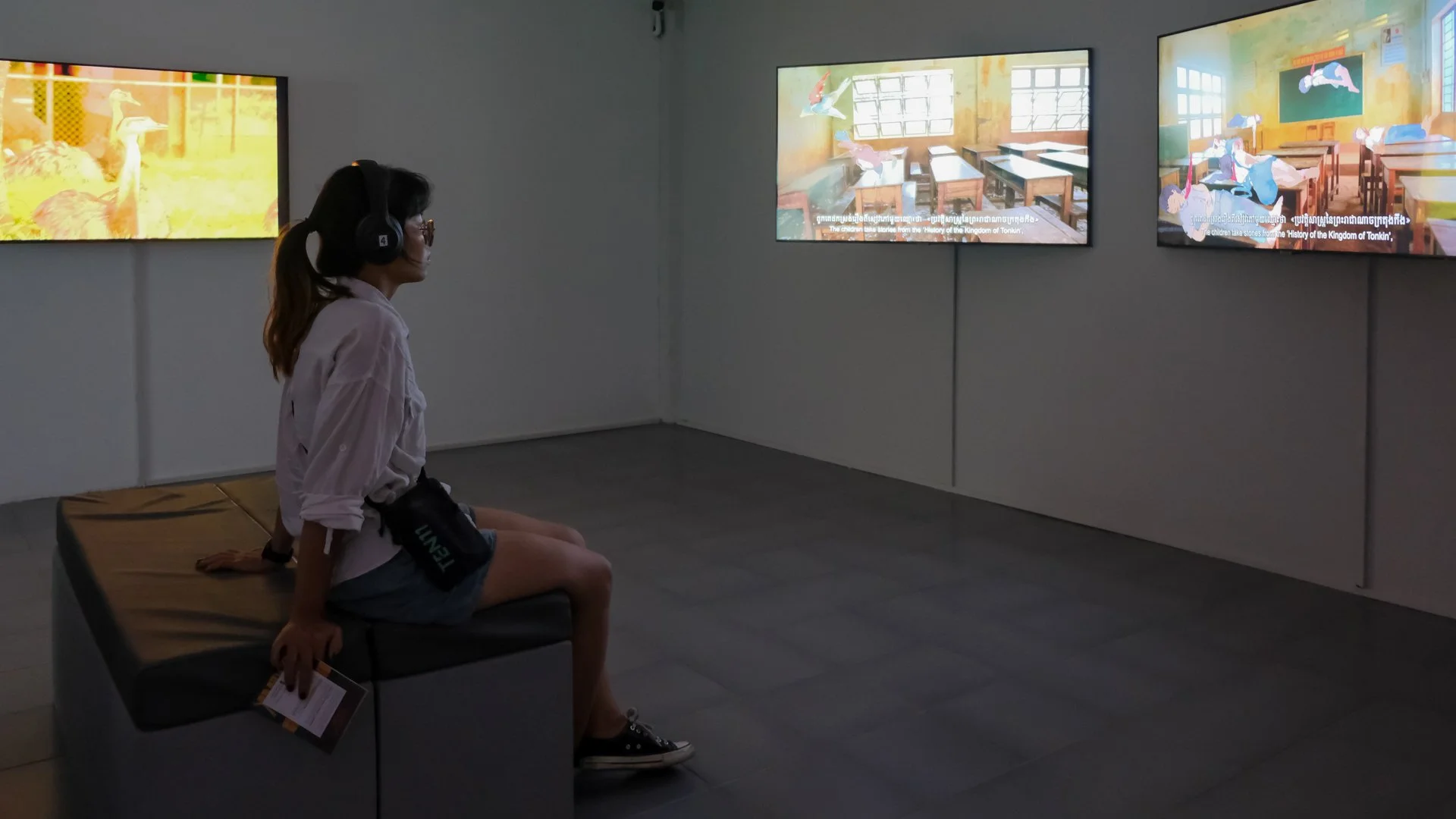
Sa Sa Art Projects is pleased to present Myth in Motion, an exhibition of video art from KADIST’s collection in conversation with a new work, featuring five international women artists – Martha ATIENZA (Philippines), Ana María MILLÁN (Colombia-Germany), Thao Nguyen PHAN (Vietnam), Ana VAZ (Brazil) and Connie ZHENG (China-US).
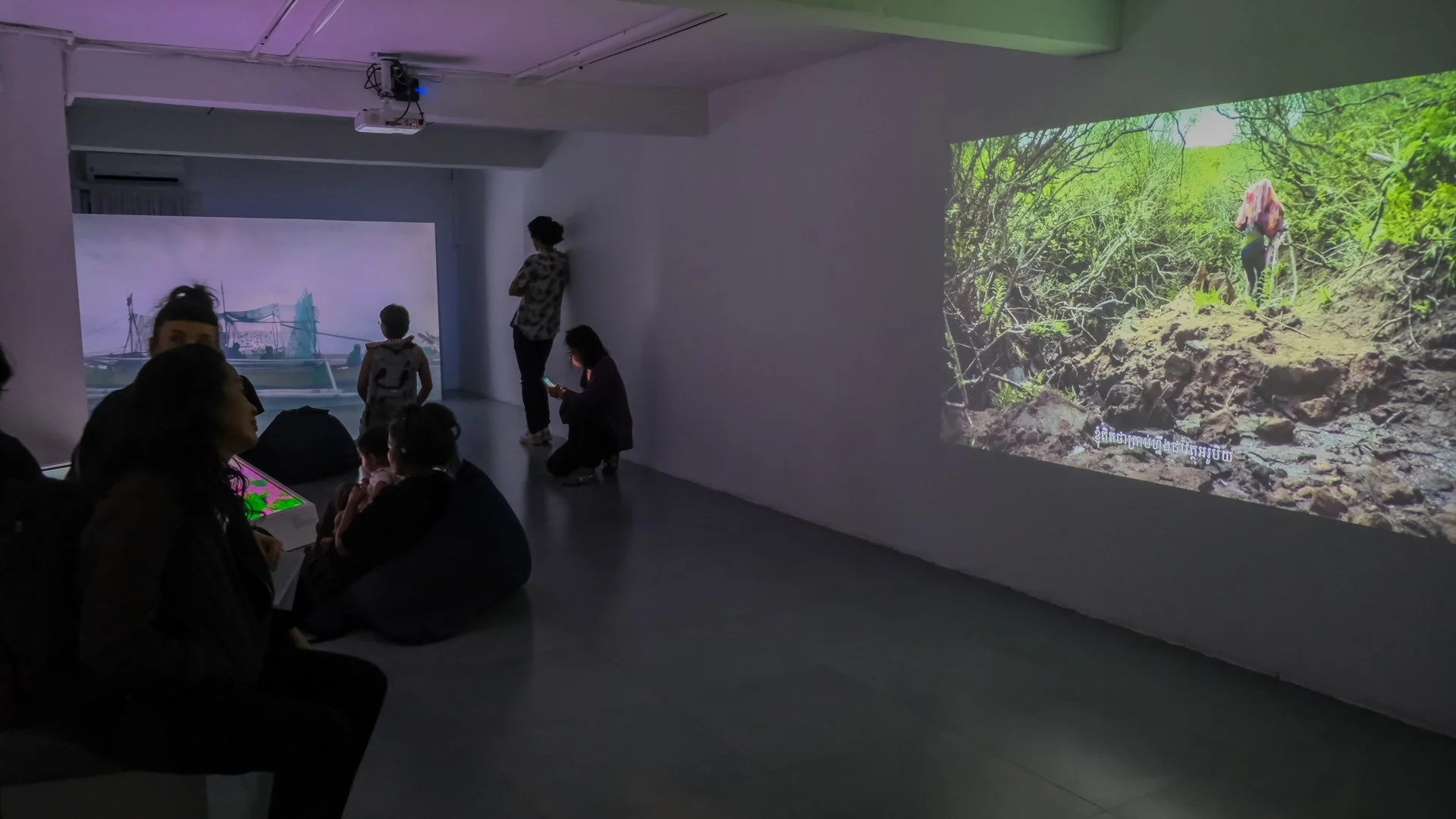
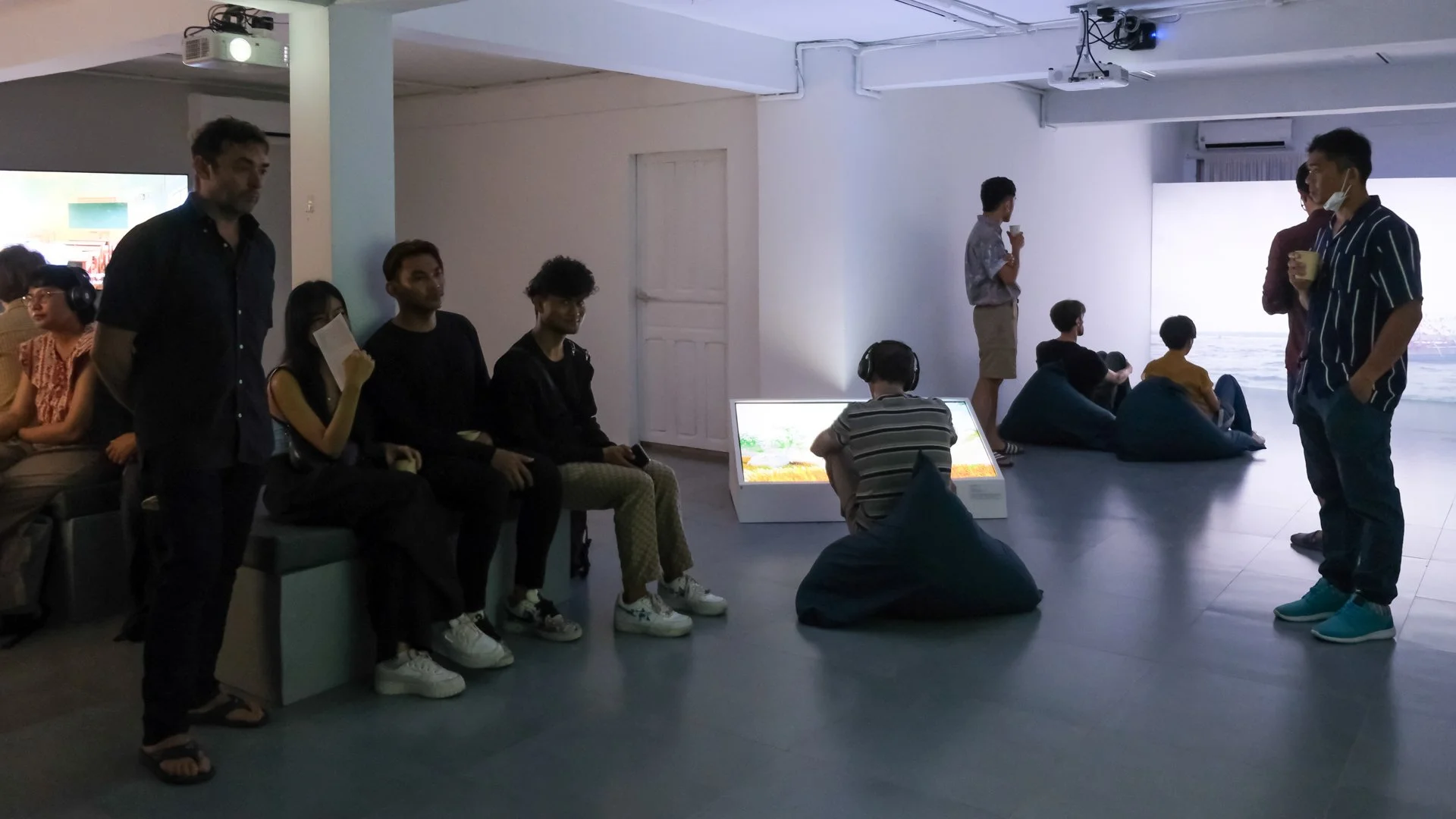
Myth in Motion focuses on moving images as an artistic form and strategic tool to animate stories and mythologies. The exhibition also acknowledges that myths are not stable, but rather open to reinterpretation and reinvention, as they go through continuous reproduction. Grounded in five video works from across the globe, Myth in Motion explores and blurs the various approaches and genres in constructing storytelling. From drawing, digital animation, and video games to performance, experimental film, and documentary, or from carefully scripted narratives and meticulously choreographed play to improvisational collaborative creation, the artists in Myth in Motion master the orchestration of the medium and expand its possibilities.
The works exhibited in Myth in Motion delve into several critical issues we face today and profoundly impacted by, including colonialism and its legacy, modernity, unwritten histories and collective amnesia, displacement and advocacy of indigenous communities for their lands and seas, and ecological crisis. Unbounded by fixed temporality and unrestrained in their spatial explorations, the works traverse through times and spaces – real, speculated, and imagined – knitting counter-perspectives to the grand narratives of history. Elegantly weaving between truth and fiction, reality and fantasy, the works in Myth in Motion question and seek to understand the conditions of various localities while challenging our critical rationalization and imagination of our status – past, present, and future.
Há Terra! (There Is Land!) (2016) is a short film by Ana VAZ in which she imagines premodernity in her native Brazil. The film centers on a young female protagonist Ivonete dos Santos Moraes, who has joined Brazil's landless movement that struggles to wrestle land from powerful agriculturalists. The story is set in Brazil's backcountry, where we hear recurring cries (or laughter) “há terra!” — meaning “there is land!” asserting the abundance of land for the landless whose organized the movement, which has been running for some forty years. In the film, the long-focus lens and darting camera constantly chase Ivonete through the high grass as she comes to personify a territory. The film also weaves in footage of wild animals, mirroring Ivonete slipping their characters between the hunted and the hunter. The recurrent sound loop of a man shouting “Land! Land!” conjures up the distant memory of colonialism. But the beauty of Vaz's collage of images and sounds hinges on the impossibility for the viewer to let the past pass. Shot on expired 16mm films, the artist describes her cine-poem: “Há Terra! is an encounter, a hunt, a diachronic tale of looking and becoming. As in a game and a chase, the film errs between character and land, land and character, predator and prey.”
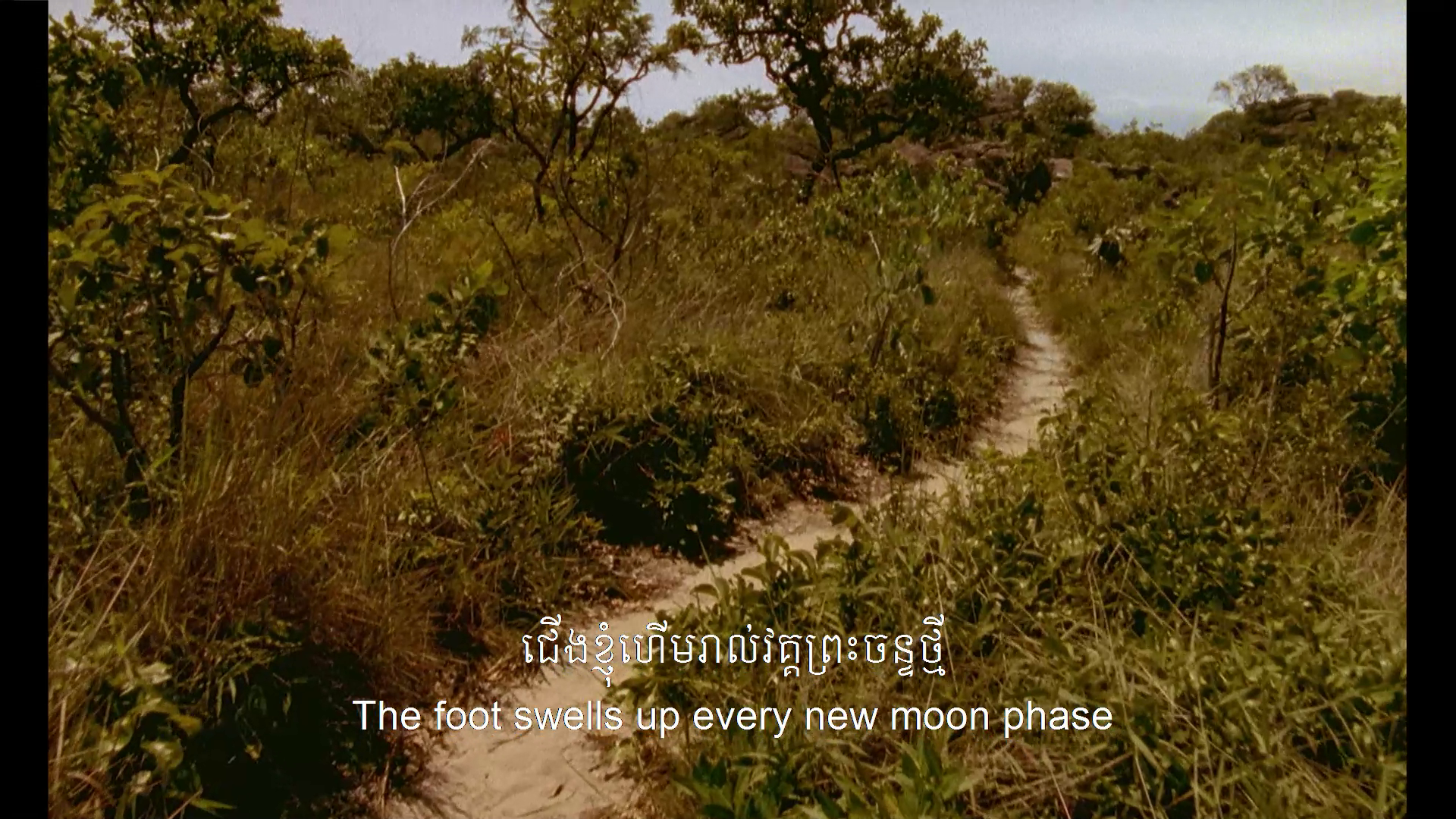
Ana Vaz, Há Terra! (There Is Land!), 2016, single-channel video, HD, color with sound, 12’37”, loop, courtesy the artist, KADIST collection
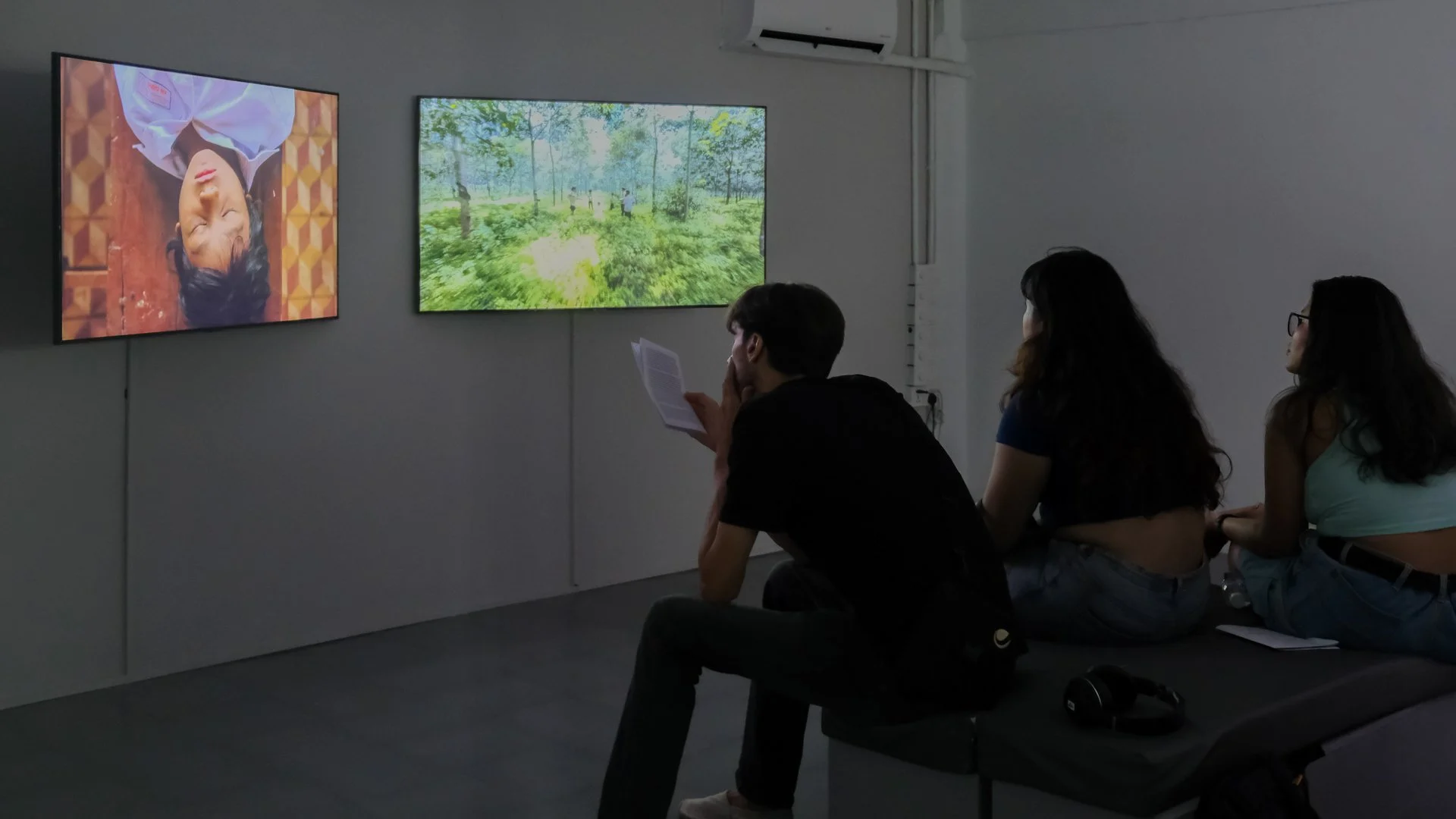
In Tropical Siesta (2017), Thao Nguyen PHAN chiefly orchestrates a version of the present that could have been through a two-channel video. It introduces today's Vietnam as a fully efficient agrarian society whose citizens are all child farmers living in communes. The only book they could access is History of the Kingdom of Tonkin (1651) by French Jesuit missionary Alexandre de Rhodes; all other memories are locked away. They draw stories and myths told by Rhodes from the book and create their make-believe games, such as “About Crime and Punishment” and the “Water Goddess.” They reinterpret and recreate their myths. The lush landscape of rice paddies in Tropical Siesta also alludes to the dark period of Communism during which many people were deported or executed – a history that was not written, only the innocence of children responds. In Phan's Tropical Siesta, children take a day nap as a form of emancipation and reinvention. They make told myths their own. Through archival text, drawing, writing, performance, and moving images, Phan interweaves science and fiction, reality and dream, posing a question for us in imagining a different present through reinterpreting, hence remaking our myths.

Thao Nguyen Phan, Tropical Siesta, 2017, two-channels video installation, HD, color with sound, 13’41”, loop, courtesy the artist, KADIST collection
Interested in role-play and video games, Ana María MILLÁN often develops workshops with different communities to create characters and scenarios for her animations, often in collaboration with a choreographer. Elevación (Elevation) (2019) evokes various narratives inspired by a Colombian comic strip: Marquetalia, Raíces de la Resistencia (Marquetalia, Roots of the Resistance) (2011). This comic strip is a memoir of the FARC (Revolutionary Armed Forces of Colombia) guerillas written by Jesús Santrich, one of its leaders who, after the 2016 Peace Agreement, rejoined dissident members of the organization in a clandestine guerrilla splinter group in 2019. Millán's work reflects Colombia's constant armed conflict, land ownership, and popular struggles, but with a specific interest in popular culture and contemporary visual languages in alignment with her research topics. Post-production is essential to the artist's work insofar as she uses this process to create a meta-text that holds all the permutations of the narrative. This technology allows Millán to hybridize the languages, genres, forms, and methods in her video work. In Elevación, Millán foregrounds the intersections between seemingly disparate groups, emphasizing underlining connections and collaborations to reveal the interplay between key characters and online subcultures.
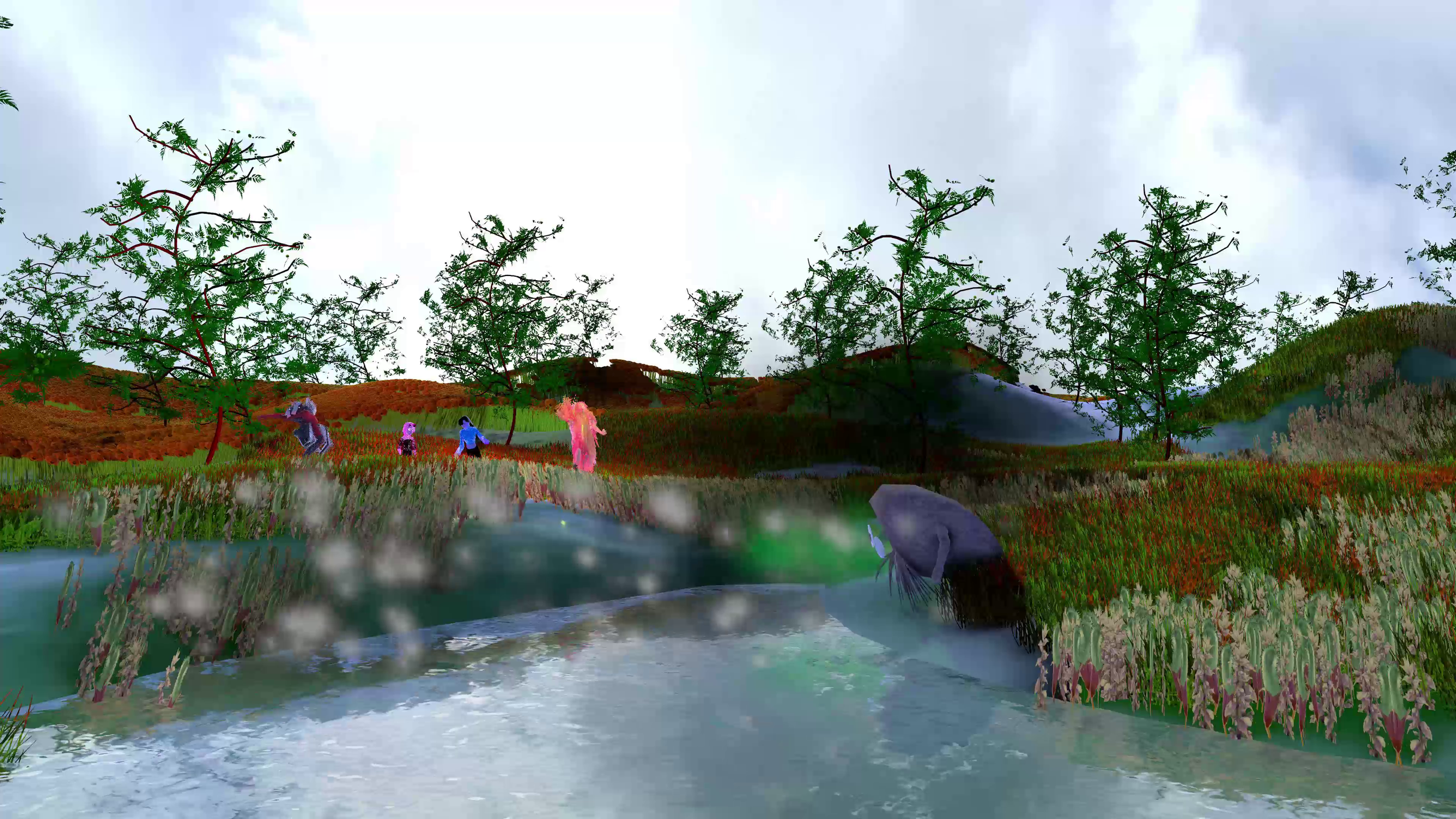
Ana María Millán, Elevación (Elevation), 2019, animation video, 4K, color with sound, 10’12”, loop Courtesy the artist, KADIST collection
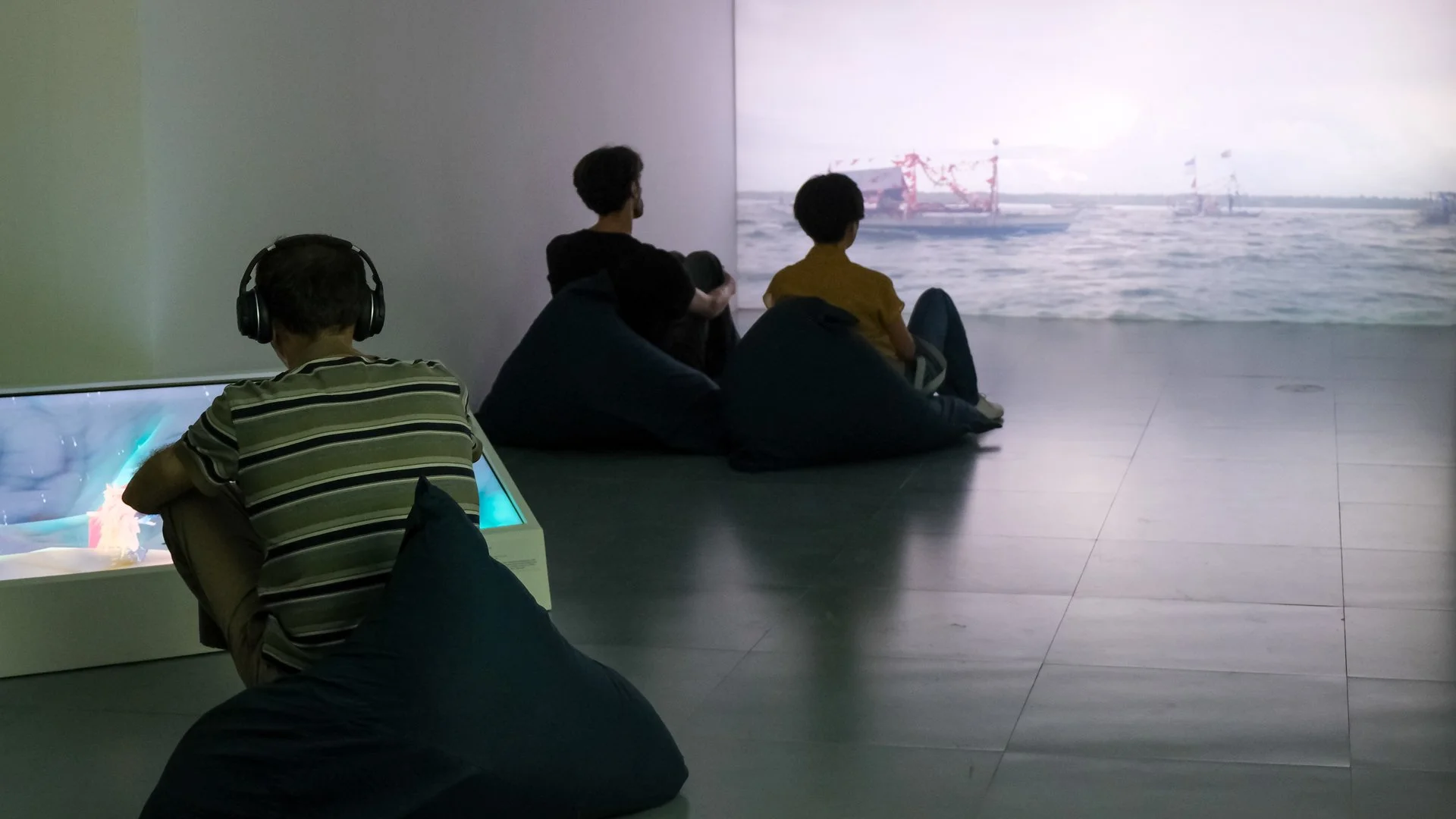
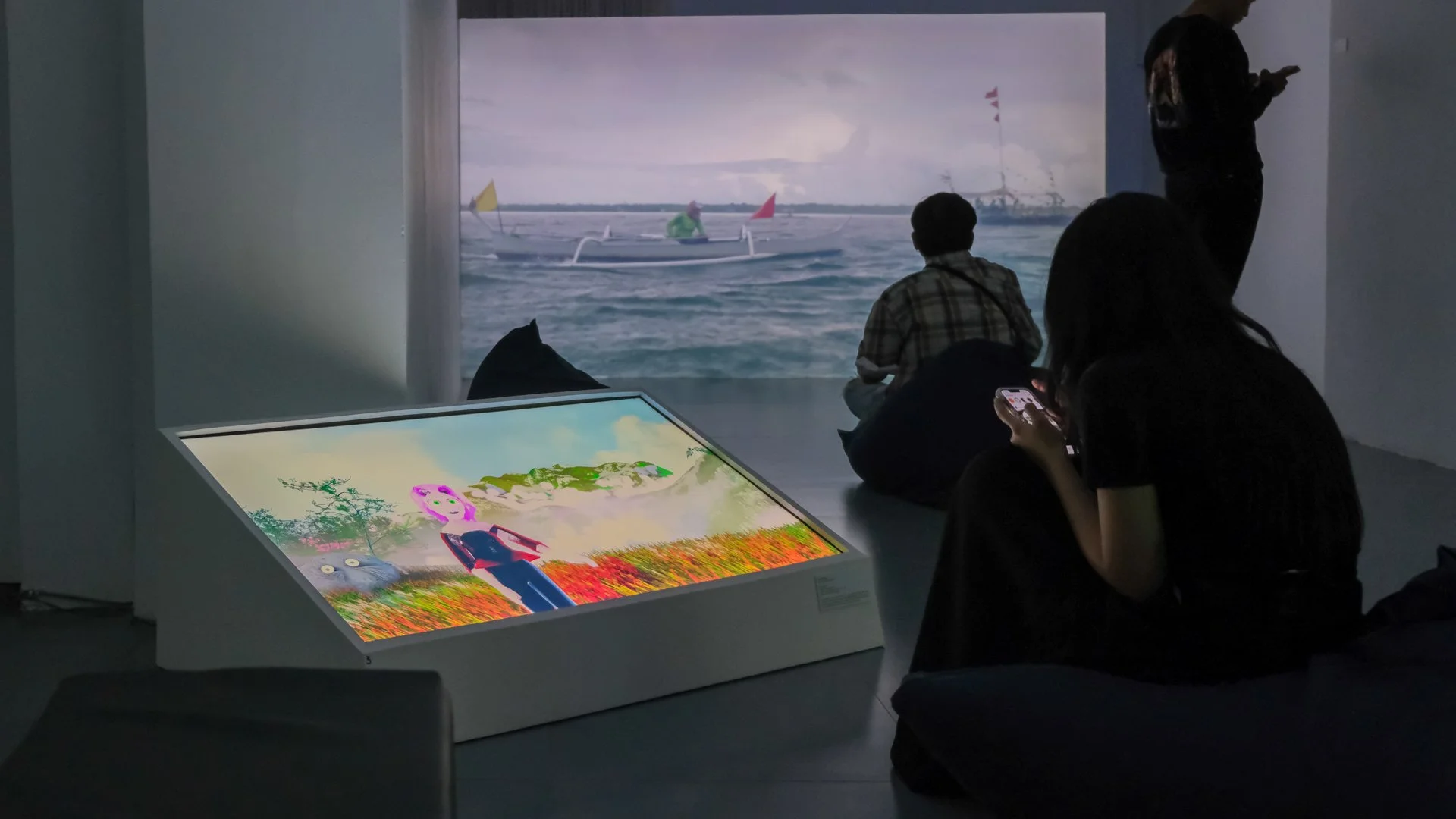
Adlaw sa mga Mananagat (Fisherfolk's Day) (2022) is a poetic video document by Martha ATIENZA that remembers and celebrates the victorious milestone of the fisherfolk communities in her home town Bantayan Island, the Philippines – Fisherfolk's Day. Playing a multi-role as an artist, environmentalist, and social advocate, Atienza is committed to working with communities across Bantayan Island. Together with a community of fisherfolk, youth, artists, non-government workers, electrical communication engineers, and other creatives, she co-founded GOODLand, an organization that works to protect and free land and oceans from harmful substances and extractive tourism while creating and enabling more eco-friendly means of living for the local islanders. Fisherfolk's Day, which officially passes in September 2022, results from a slow-moving bureaucratic process in which the fisherfolk community demands to be participants in drafting the future of their islands. In Atienza's Fisherfolk's Day, time passes slowly and delicately without any sound as we appear in the middle of a boat parade in the sea. All boats are highly decorated within a backdrop of a dramatic cloudy grey sky. The contrast between the event's boisterous and ceremonial nature and the video's calm time-freezing treatment makes Fisherfolk's Day highly meditative and hypnotizing. The parading boats somehow become living monuments of solidarity that resist being forgotten. As the artist quotes kānaka maoli scholar Jamaica Heolimeleikalani Osorio: “Remembering Our Intimacies Moʻolelo, Aloha ʻāina', remembering itself is a way to rise against a system designed to subjugate.”
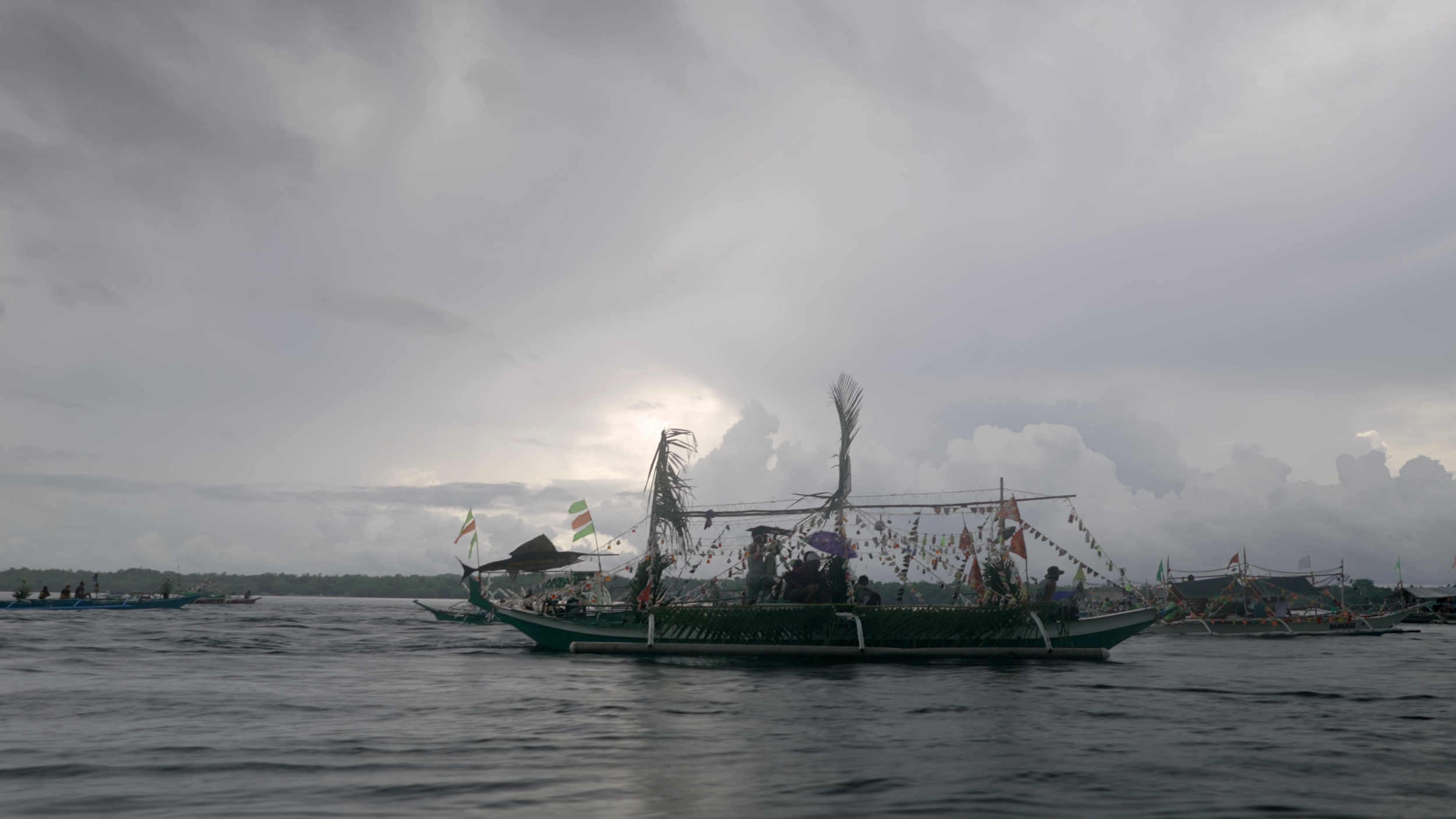
Martha Atienza, Adlaw sa mga Mananagat (Fisherfolk’s Day), 2022, single-channel video, color, no sound, 44’13”, loop, courtesy the artist
The Lonely Age (2019) is a short experimental film by Connie ZHENG about collective survival amidst ecological catastrophe, as seen through the lens of real and imagined seeds. The story takes place in a highly toxic near future, in which people begin to hear rumours of seeds that have washed up on the shores of California after supposedly escaping from a factory in China. The seeds are also said to have gained sentience and to possess myriad curative properties, including the potential to rid the earth of pollution and to eradicate a pervasive illness called “The Cough.” The dialogue and movement in The Lonely Age are all improvised and generated by a cast of friends, acquaintances, and strangers in response to a short story written by the artist, which is offered to performers as a kind of catalytic script. Through this participatory method, the artist seeks to create a container for a collaborative storytelling process, in which participants are invited to play with, disarticulate and reconfigure their own familiarity with mainstreamed tropes of apocalyptic cinema, in order to express their own hope or cynicism for the future. The Lonely Age is a meta-fictional film whose tension emerges from rumours of hope. Are the seeds real? Are they radioactive waste from China? In a sense, it doesn't matter—the film sheds light on the power of belief and underlying ideologies that underpin hope and skepticism.
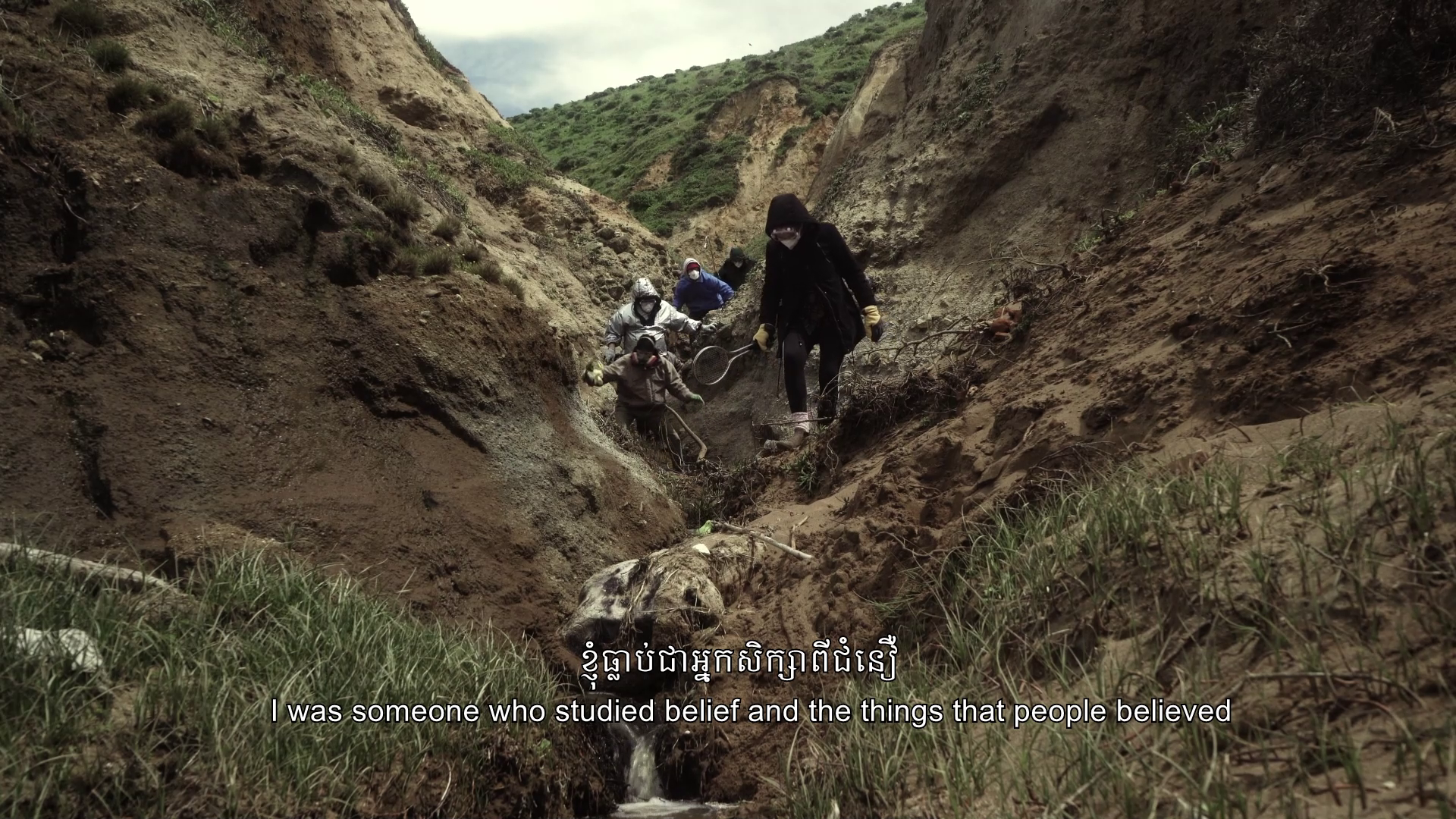
Connie Zheng, The Lonely Age, 2019, single-channel video, HD, color with sound, 11’47”, loop, courtesy the artist, KADIST collection.
About the Artists
Martha ATIENZA (b. 1981, Manila, Philippines) lives and works in Bantayan Island, the Philippines. Her creative practice is rooted in her ecological and cultural concerns, as she studies the intricate interplay between local traditions, human subjectivity, society, and the environment. Atienza's multicultural upbringing has shaped her artistic focus, which is primarily expressed through installation and video art as a means of documenting and questioning pressing issues in her direct environment, often taking on an almost sociological nature. Her work testifies to her commitment to art as a medium for social engagement and dialogue. Atienza's work has been exhibited internationally, including at the Istanbul Biennial, Bangkok Art Biennale, Honolulu Biennial, and Asia Pacific Triennial of Contemporary Art (Brisbane). Her work has gained international recognition with her piece Our Islands, earning her the Baloise Art Prize at Art Basel in 2017. Atienza was also awarded the Ateneo Art Awards in Manila in 2012 and 2016 and the Cultural Center of the Philippines Thirteen Artist Award in 2015. In 2022, her solo exhibition The Protectors inaugurated Silverlens New York.
Ana María MILLÁN (b. 1975, Cali, Colombia) lives and works in Berlin, Germany. Millán’s multidisciplinary practice references and resignifies the narratives and visualities of comics, animation, video games, or popular culture, to critically question the construction of factual and official history. With an emphasis on Colombia’s recent past and its stereotyped image abroad, the artist assumes the potentialities and possibilities of fiction and fantasy to formulate counter-narratives based on orality, individual and local stories. Millán often works in collaboration or creates dialogical contexts to develop her projects, including experiments in live role-playing, in which the participants enact and reinterpret well-known characters but incorporating their own subjective relation and memory of them. Millán is part of the artist collective Helena Producciones responsible for Escuela Móvil de Saberes y Prácticas Sociales (Mobile School of Knowledge and Social Practice) since 2005, and the Festival de Performance de Cali since 1997. Her solo exhibitions include Elevación, MAMBO – Museo de Arte Moderno Bogotá (2019), Ana María Millán – a solo exhibition, Kunstinstituut Melly, Rotterdam (2018); Frío en Colombia, Archivo General de la Nación, Bogotá (2015). She has presented at major exhibitions and venues such as Gwangju Biennale, Art Encounters Biennial (Timisoara), El ruido de las cosas al caer, FRAC Provence Alpes Côte d’Azur (Marseille), Savvy Contemporary (Berlin), and Bienal de Cuenca.
Thao Nguyen PHAN (b. 1987, Ho Chi Minh City, Vietnam) lives and works in Ho Chi Minh City, Vietnam. Trained as a painter, Phan is a multimedia artist whose practice encompasses video, painting, and installation. Drawing from literature, philosophy, and daily life, Phan observes ambiguous issues in social conventions and history. She is expanding her “theatrical fields,” including what she calls performance gestures and moving images. In addition to her work as a multimedia artist, she is co-founder of the collective Art Labor, which explores cross-disciplinary practices and develops art projects that benefit the local community. Phan exhibits internationally, with solo and group exhibitions at major institutions and biennales such as Tate St Ives, Venice Art Biennale, Rockbund Art Museum (Shanghai), Lyon Biennale, Sharjah Biennial, Gemäldegalerie (Berlin), Dhaka Art Summit, Para Site (Hong Kong), Factory Contemporary Art Centre (Ho Chi Minh City), Nha San Collective (Hanoi), among others. Phan was shortlisted for the 2019 Hugo Boss Asia Art Award. She is a 2016-2017 Rolex Protégée, mentored by internationally acclaimed, New York-based performance and video artist Joan Jonas.
Ana VAZ (b. 1986, Brasília, Brazil) lives and works in Brasília, Brazil. Originally from the cerrado and wonderer by choice, Vaz has lived in the arid lands of central Brazil and southern Australia, in the mangroves of northern France, and on the northeastern shores of the Atlantic. An artist and filmmaker, her filmography activates and questions cinema as an art of the (in)visible and instrument capable of dehumanizing the human, expanding its connections with forms of life — other than human or spectral. Consequences or expansion of her cinematography, her activities are also embodied in writing, critical pedagogy, installations, or collective walks. She has presented her work internationally such as at Jeu de Paume (Paris), Pivô (São Paulo), Escola das Artes (Porto), Palais de Tokyo (Paris), and Complesso dell'Ospedaletto (Venice). Recent screenings include Locarno Film Festival - Cineasti del Presente (Switzerland), Berlinale - Forum Expanded (Germany), New York Film Festival (US), and Rétrospective Ana Vaz, 5th Weekend of Latin American Cinema in Reflet Médicis (Paris). Her first feature film, É Noite na América (2022), has received awards in Locarno, Festival dei Popoli, Entrevues Belfort, FIDOCS.
Connie ZHENG (b. 1987, Luoyang, China) lives and works in California, United States. A multidisciplinary artist, writer, and experimental filmmaker, Zheng works with maps, seeds, food, environmental histories, speculative fiction, field recordings, and hand-drawn animation. Her projects frequently include participatory scenarios and seek to diagram dynamic relationships between human and more-than-human worlds. Her work has been exhibited and screened internationally at venues such as the Peabody Essex Museum, the Contemporary Jewish Museum, the Asian Art Museum (San Francisco), Framer Framed (Netherlands), and Salt Beyoğlu (Turkey). She has received fellowships and awards from the Headlands Center for the Arts, the Minnesota Street Project Foundation, and the Puffin Foundation, and her work is held in the collections of KADIST and the David Rumsey Map Center at Stanford University. Her essays have appeared in The Routledge Companion to Contemporary Art, Visual Culture, and Climate Change, Errant Journal and SFMOMA’s Open Space. She is currently a PhD student in Visual Studies at the University of California — Santa Cruz.
About the show and collaborators-organizers
Myth in Motion is part of KADIST’s ongoing international program Double Takes, which activates film and video works through physical and online presentations at partner institutions and on Kadist.Tv.
KADIST is a non-profit contemporary art organization that believes artists make an important contribution to a progressive society through their artwork, which often addresses key issues of our time. Dedicated to exhibiting the work of artists represented in its collection, KADIST encourages this engagement and affirms contemporary art’s relevance within social discourse. Its local hubs in Paris and San Francisco organize exhibitions, physical and online programs, and host residencies. KADIST stays apprised of developments in contemporary art via a global advisor network, and develops collaborations internationally, including with leading museums, facilitating new connections across cultures and vibrant conversations about contemporary art and society.

Public Programs
-
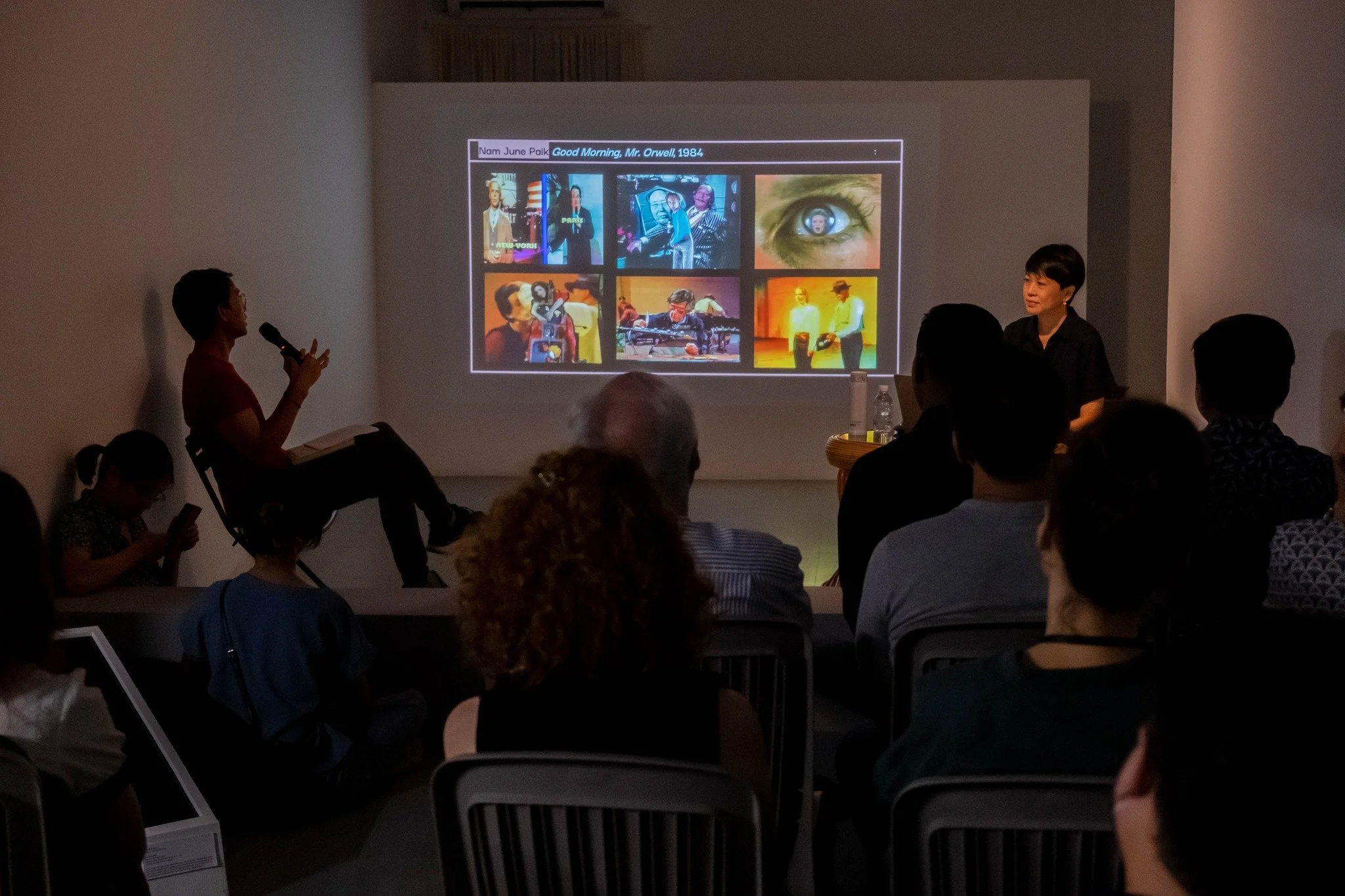
Black Box White Cube: Decoding Video Art and Artists’ Films Lecture by Sam I-Shan
Friday, 7 July 2023, 6:00-8:00pm
In English with Khmer translation
Location: Sa Sa Art Projects, #47 Street 350 (near Street 95) -

Transformative Mythologies – A workshop on artist’s moving image with Thao Nguyen Phan
Saturday, July 29 2023, 9:00 AM to 12:00 PM
In English and Khmer
Location: Sa Sa Art Projects, #47 Street 350 (near Street 95)
Catalogue