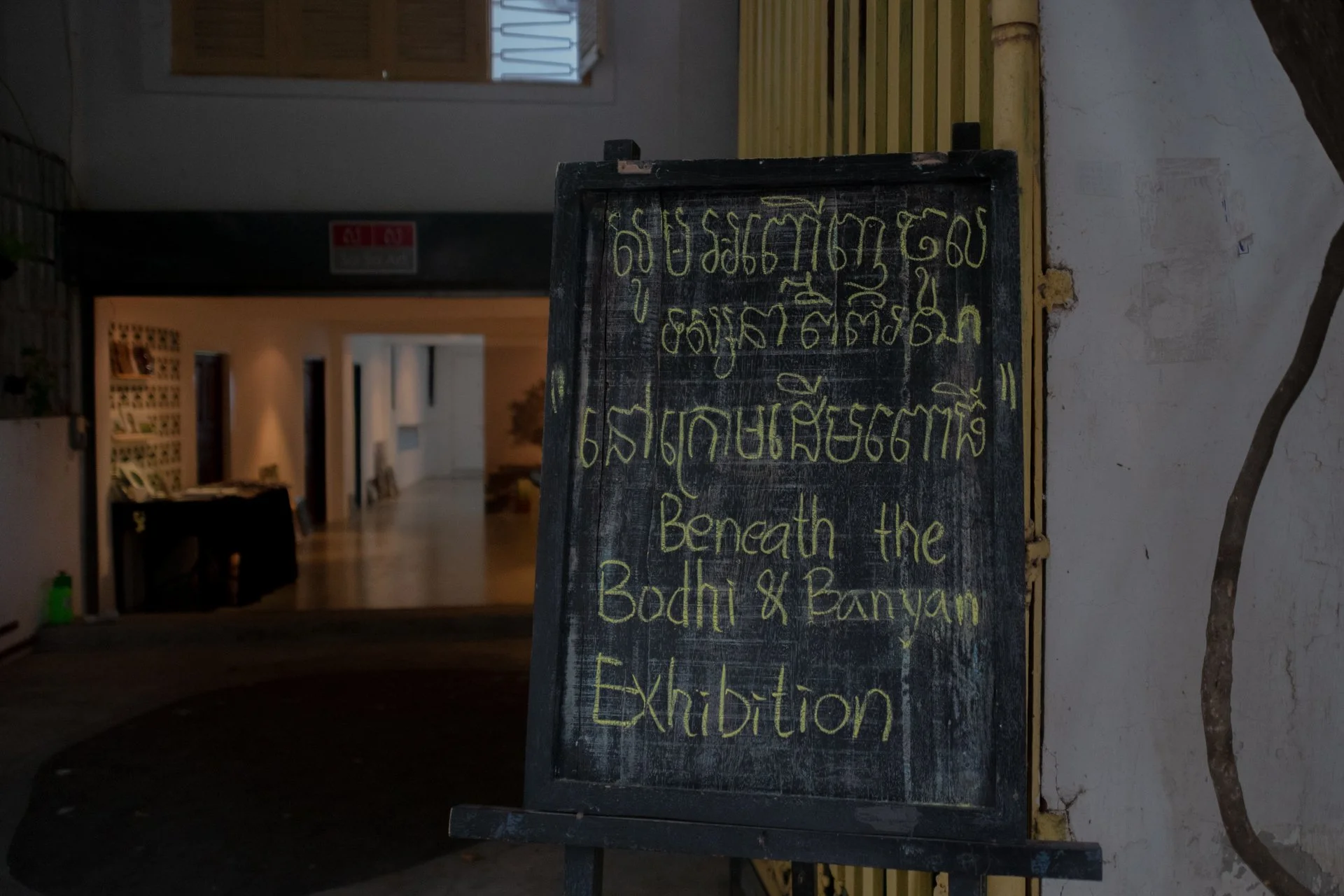
Beneath the Bodhi & Banyan
by Chu Hao Pei & Lee Chang Ming
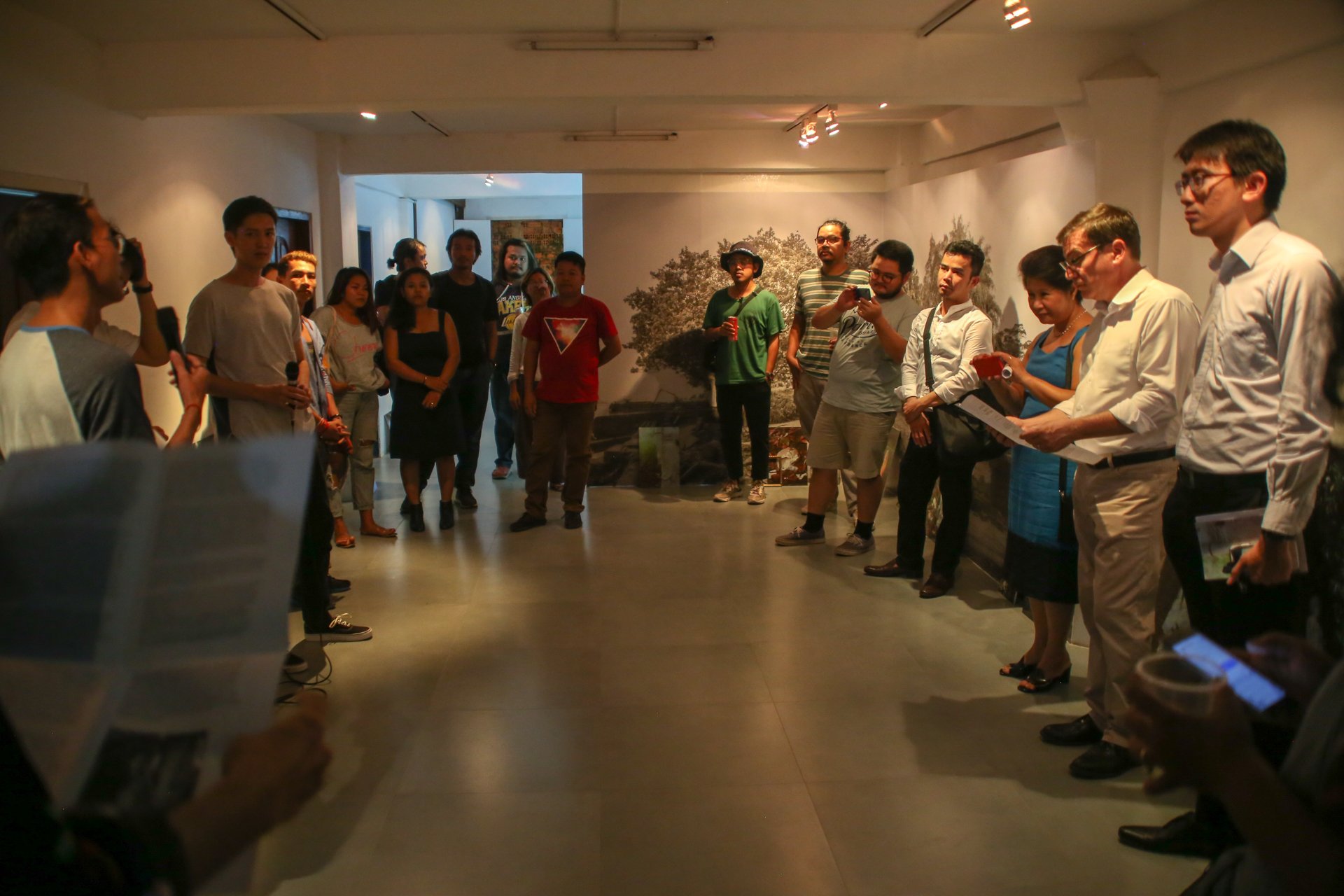
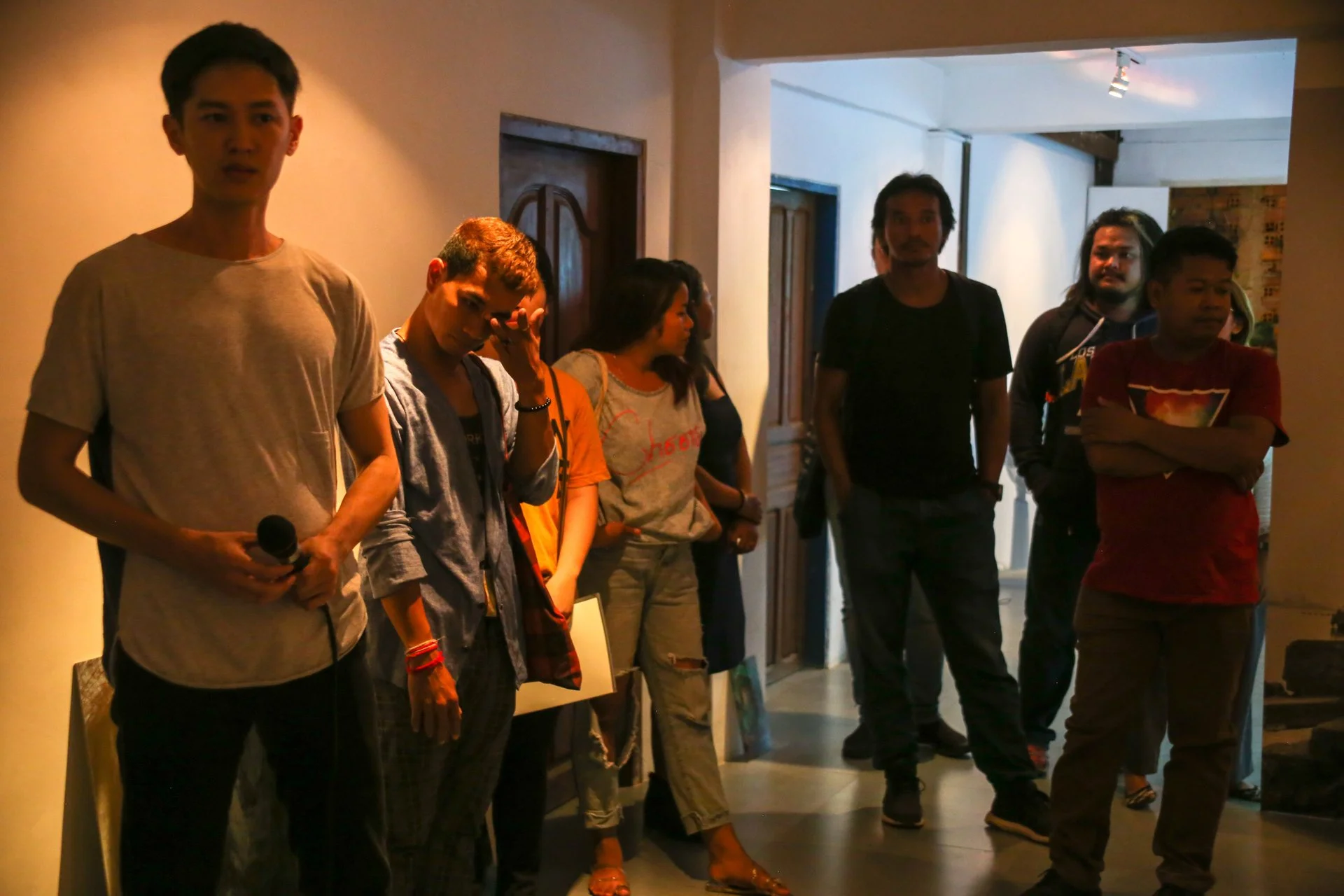
Exhibition opening: Friday 26 April 2019, 6 pm
Exhibition period: 26 April - 28 June 2019
This exhibition is supported by Rei Foundation
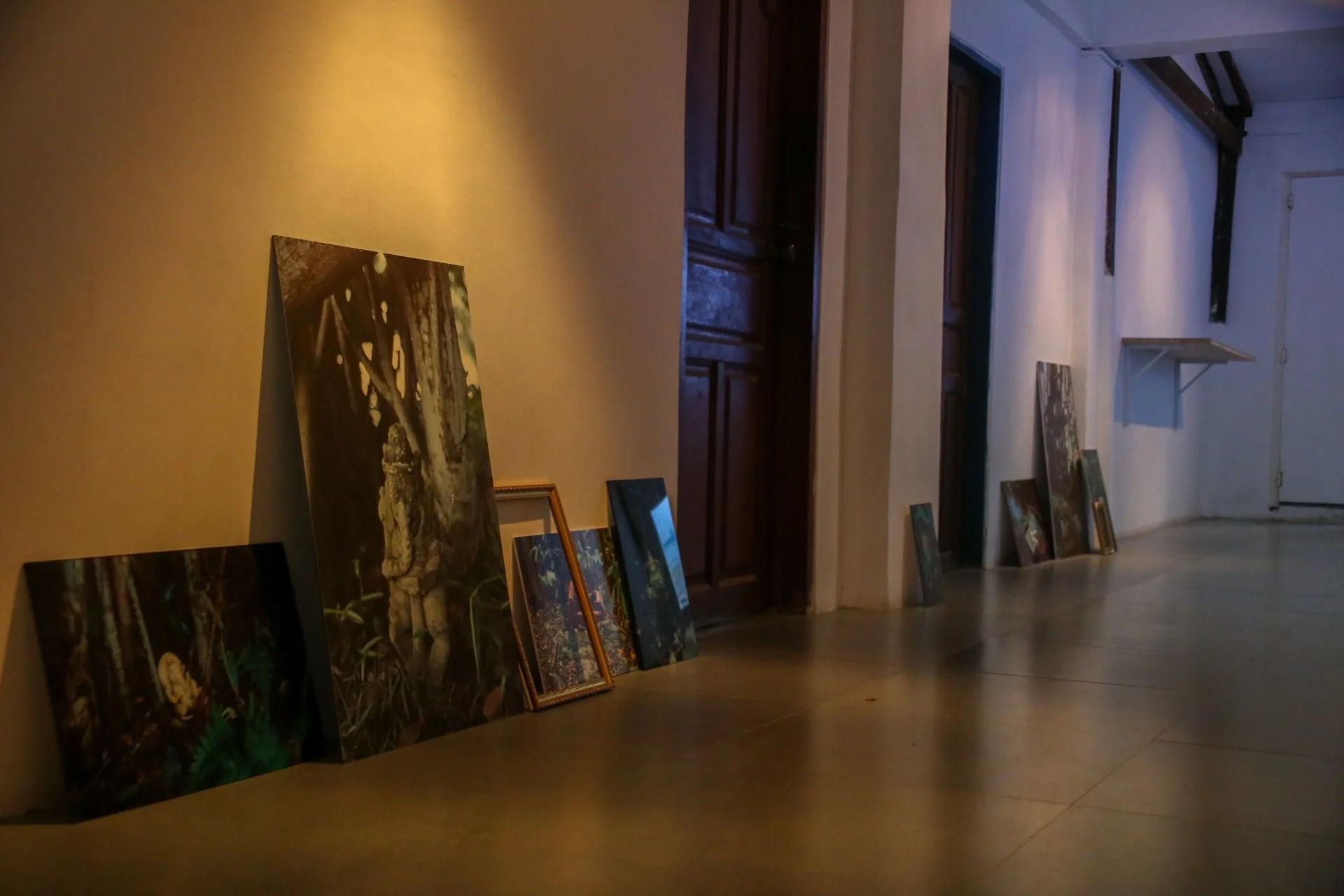
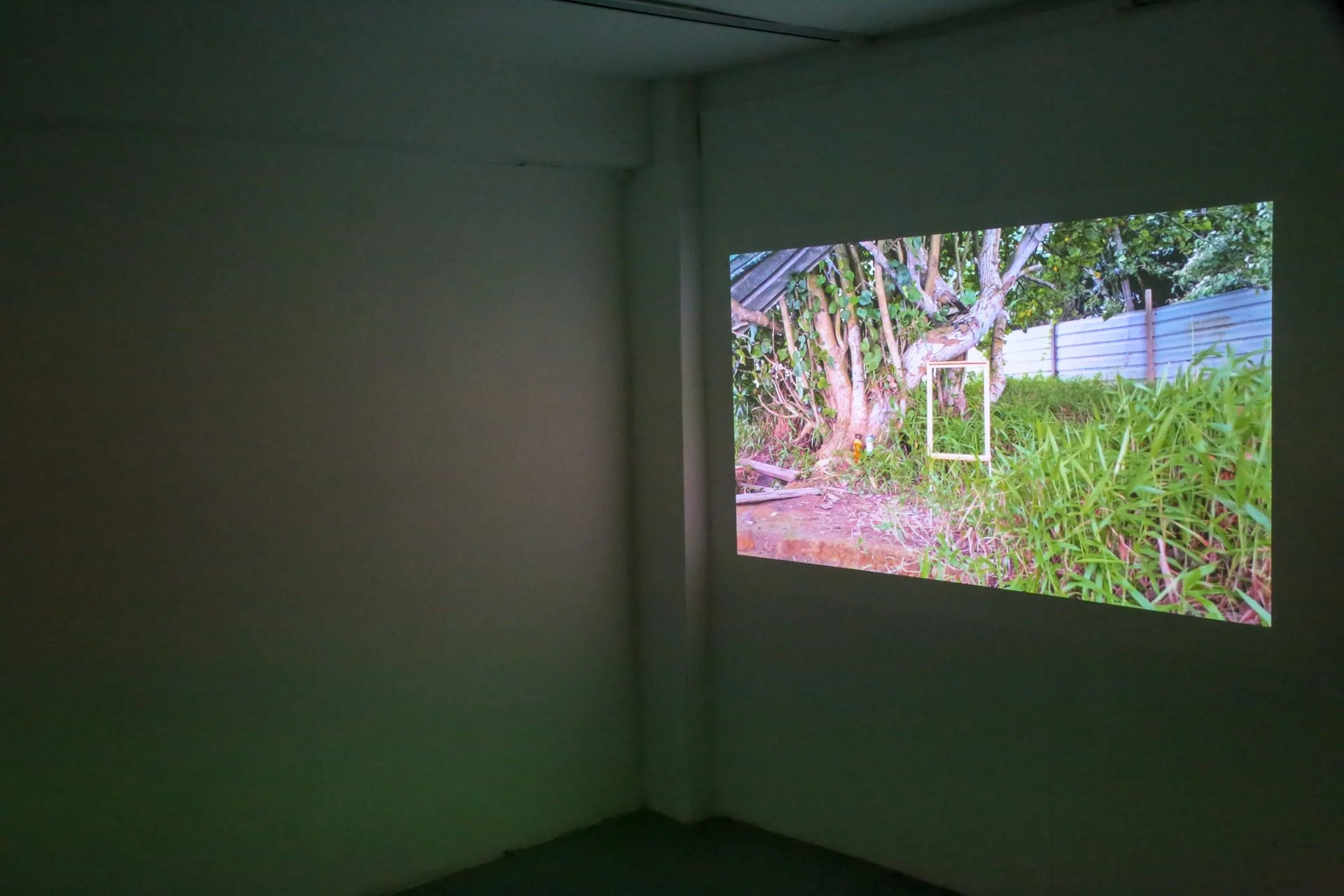
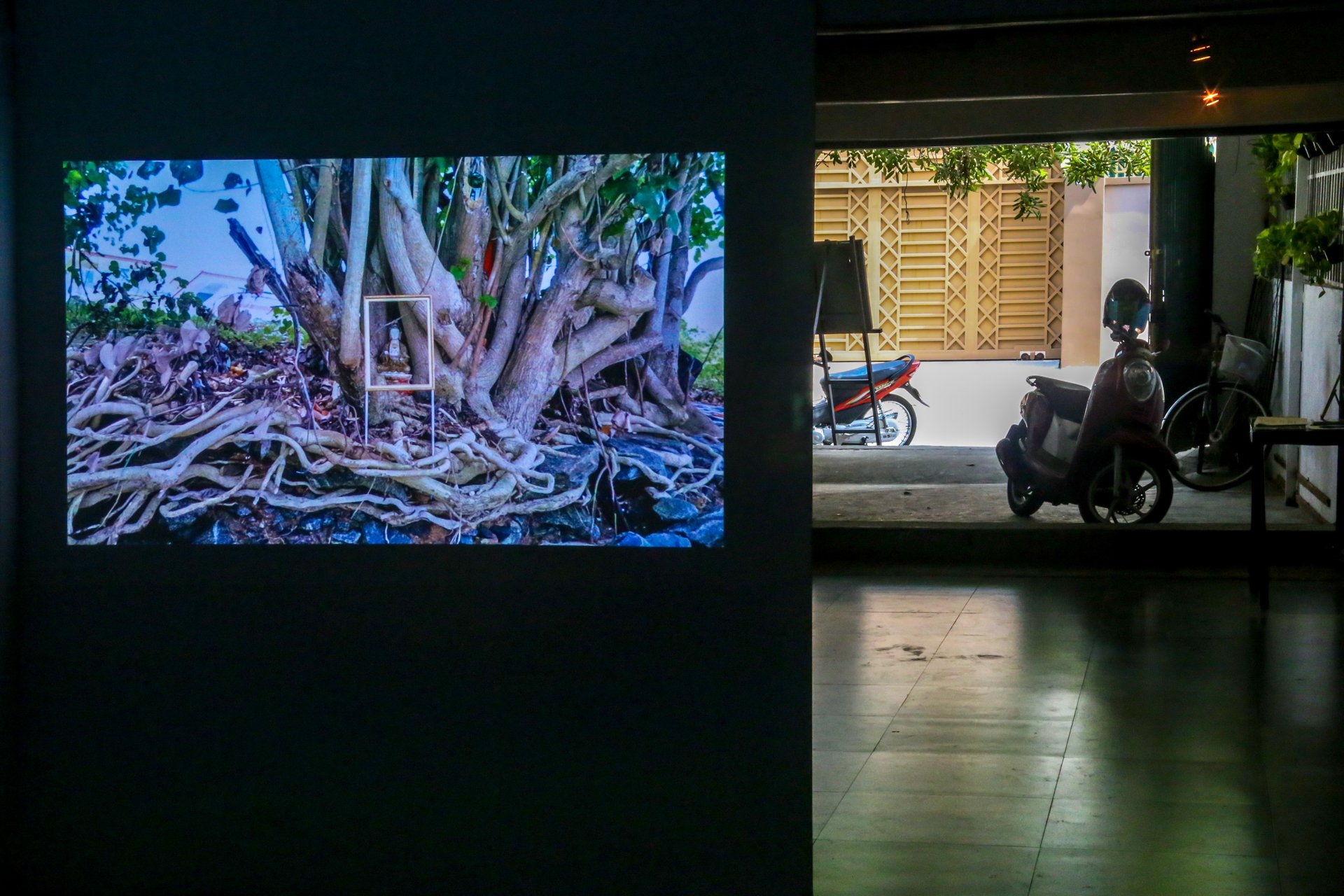
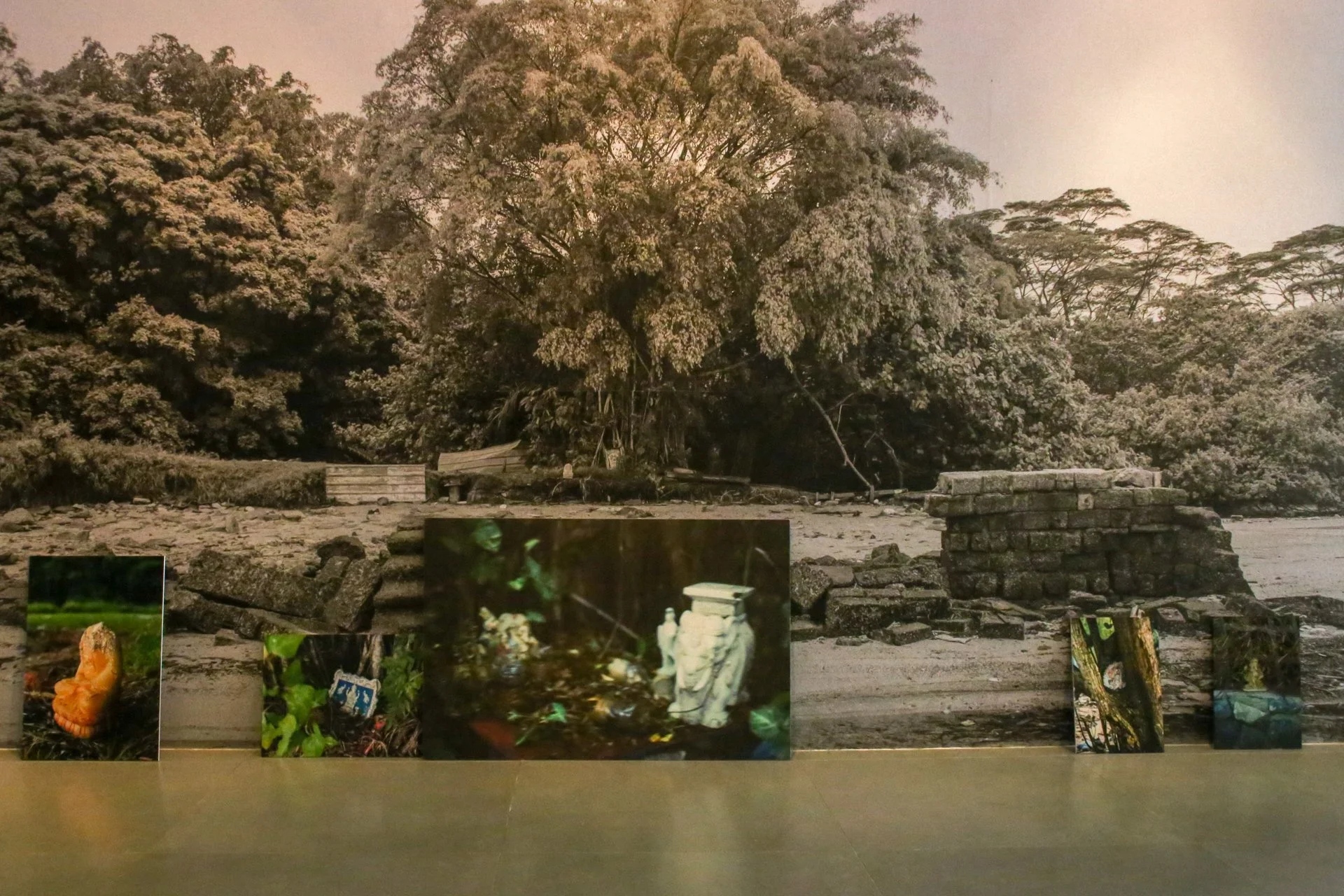
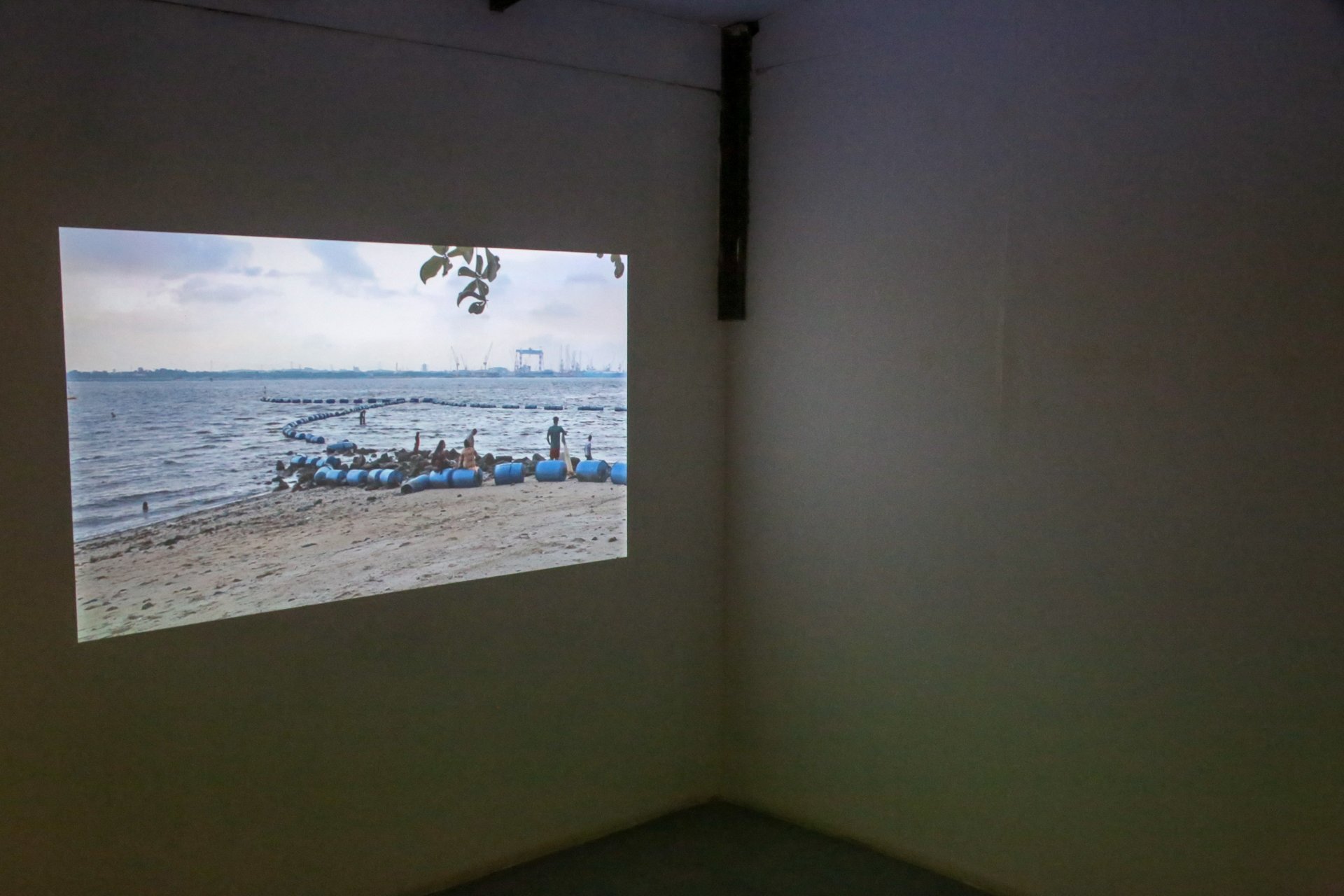
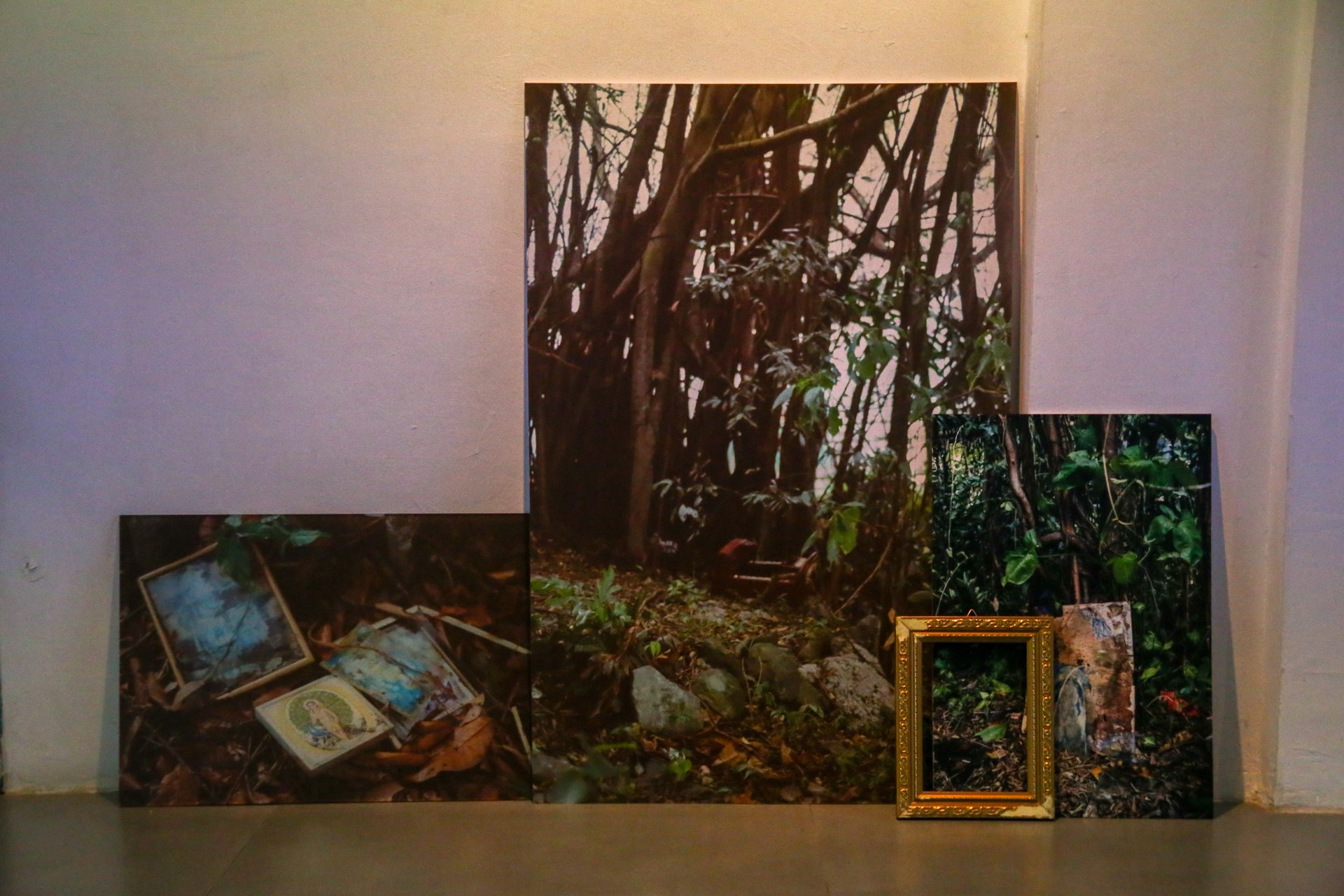
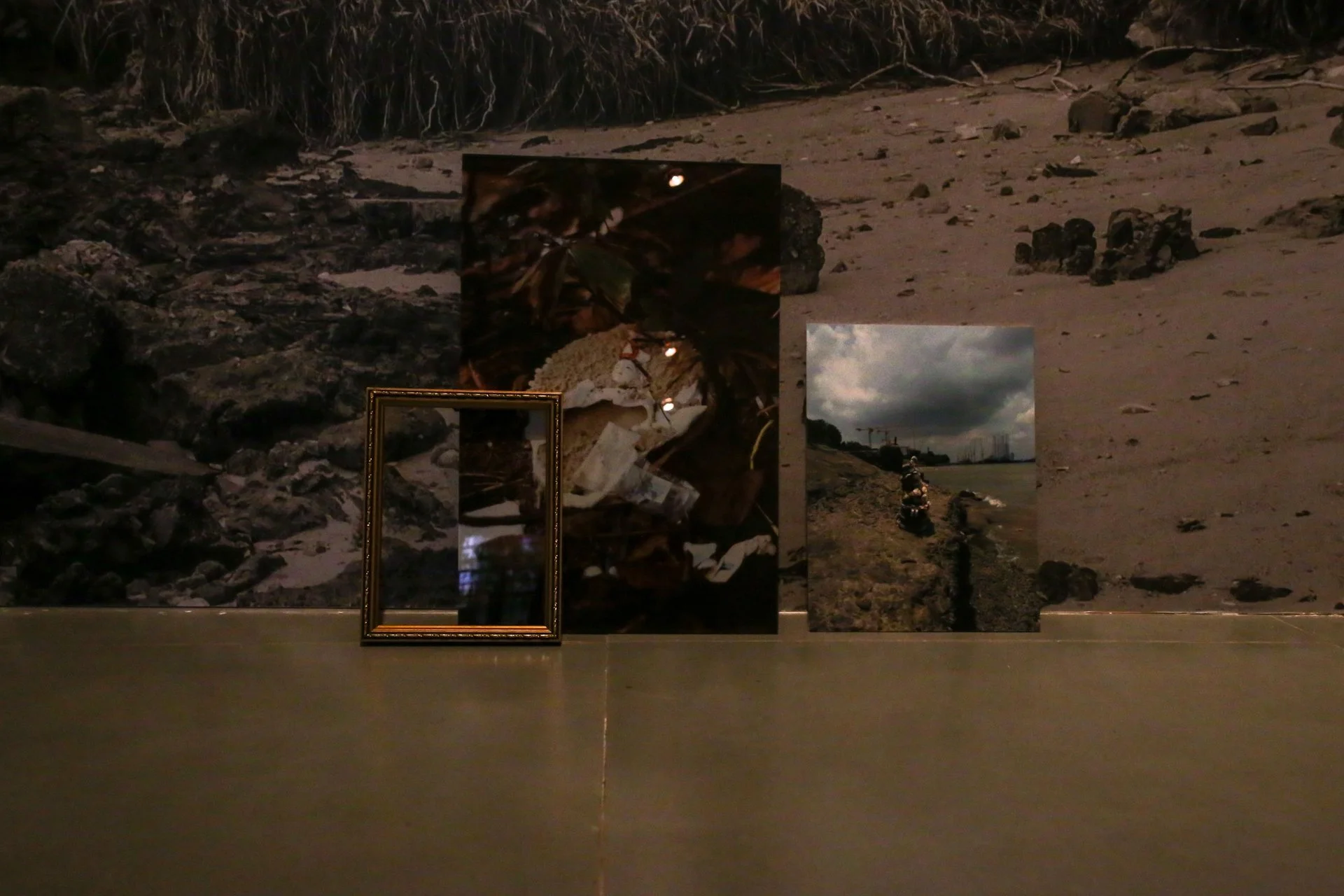
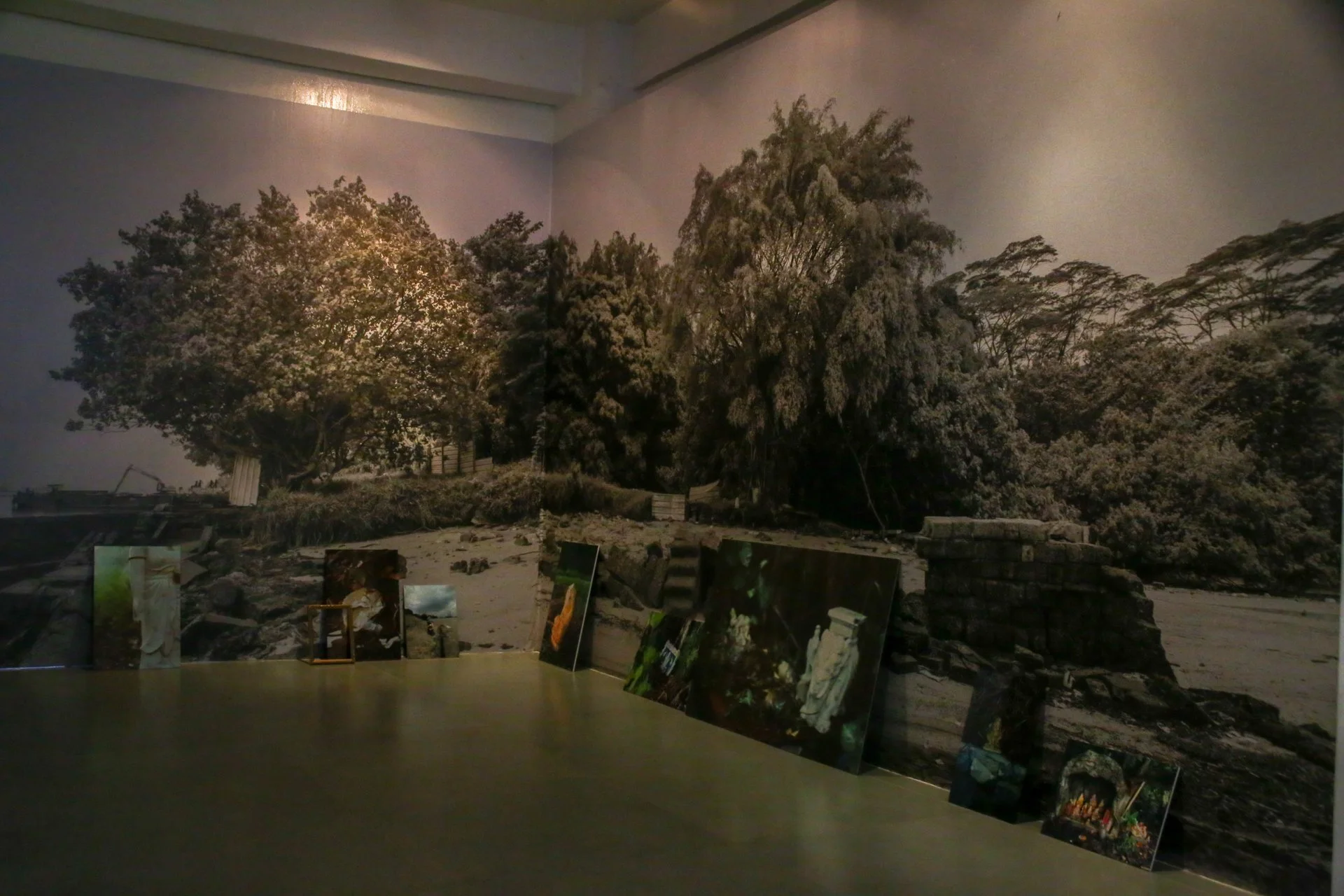
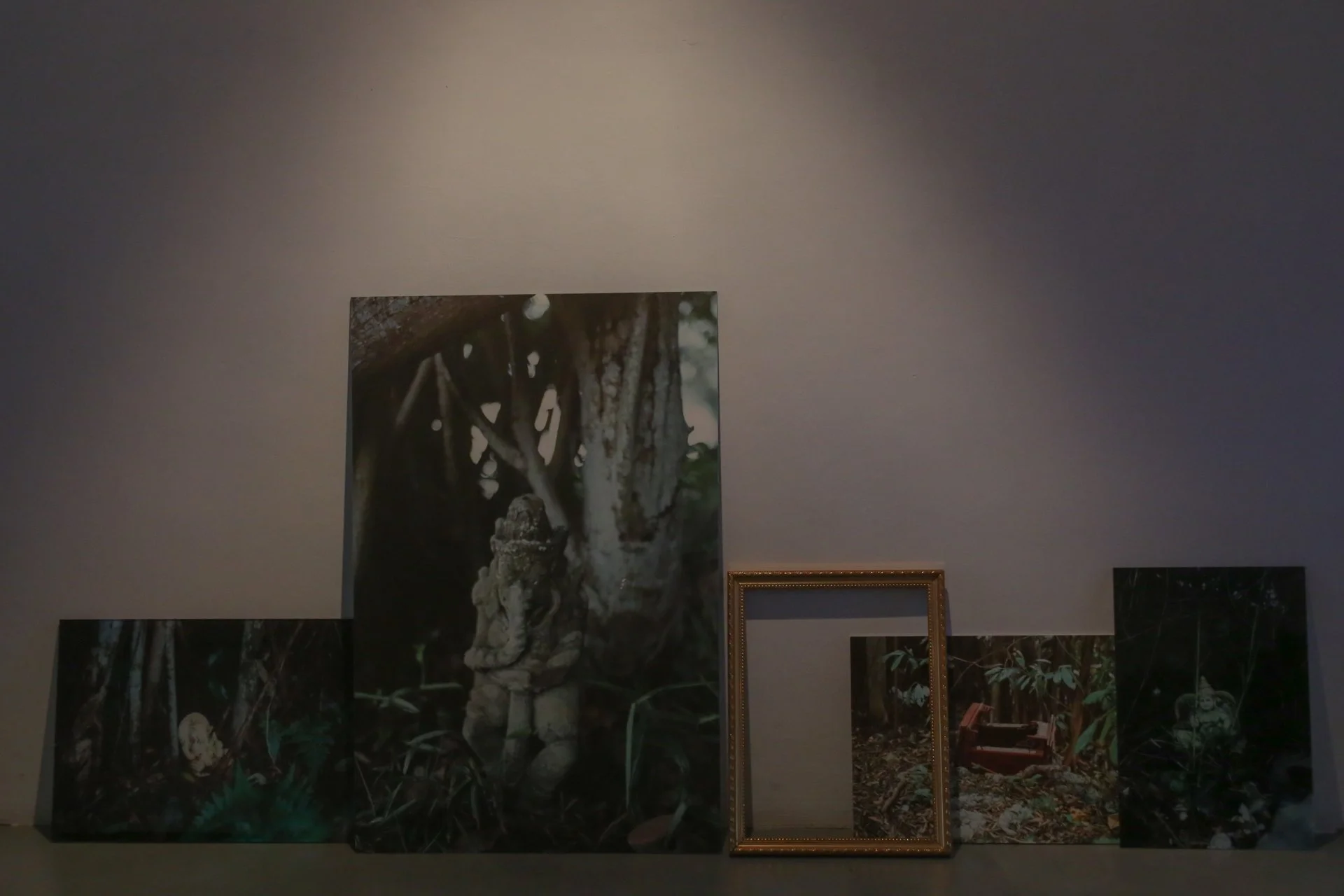
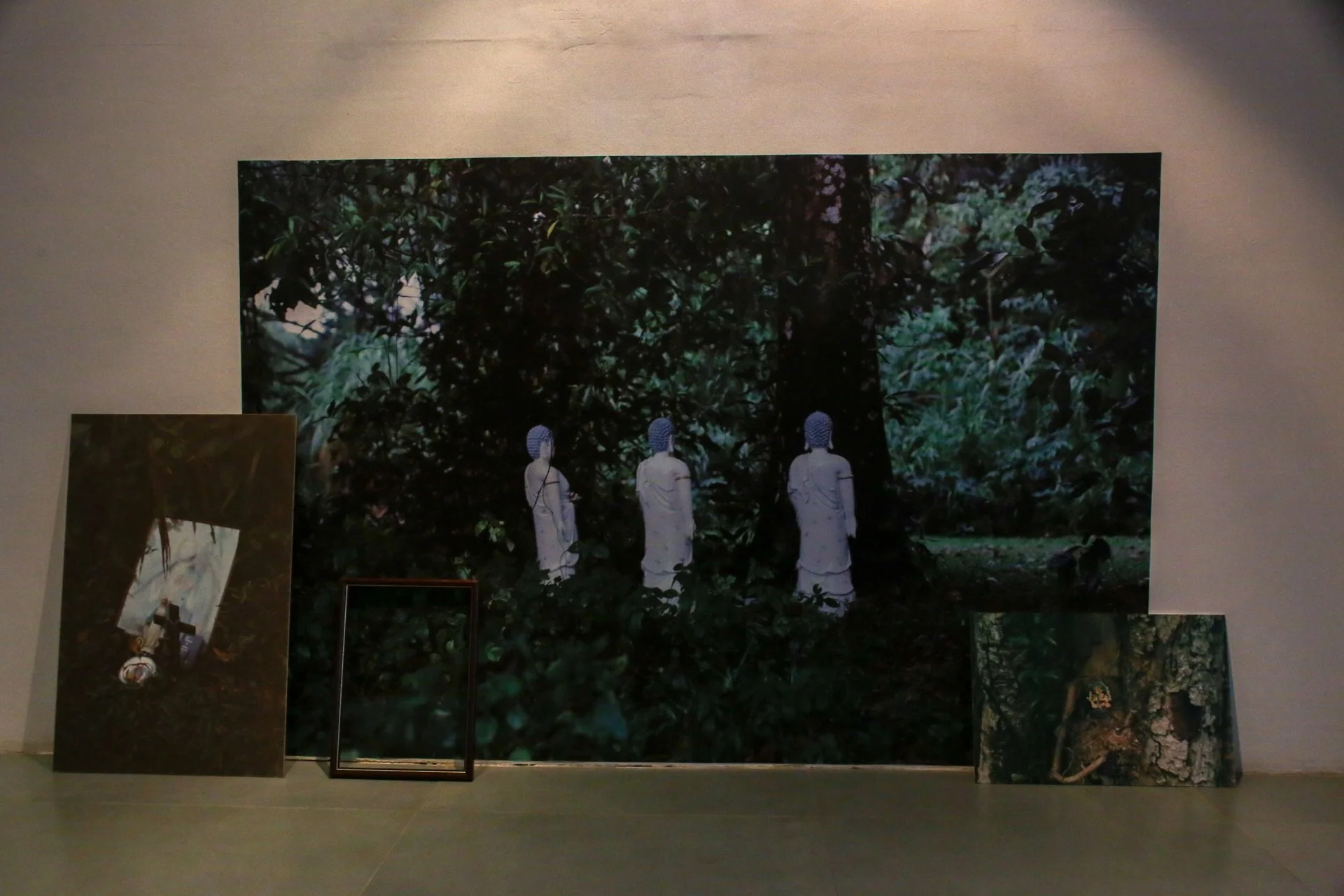
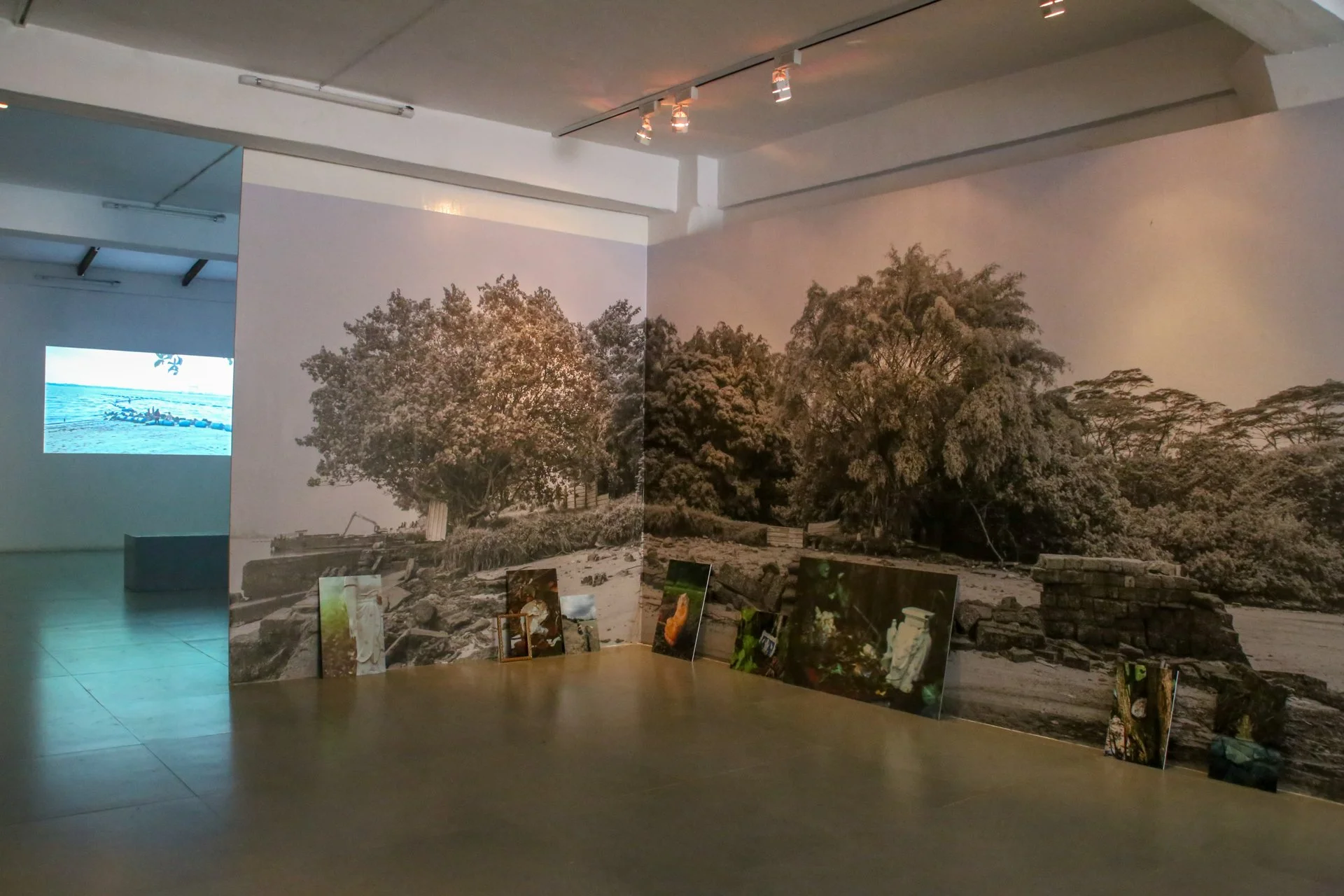
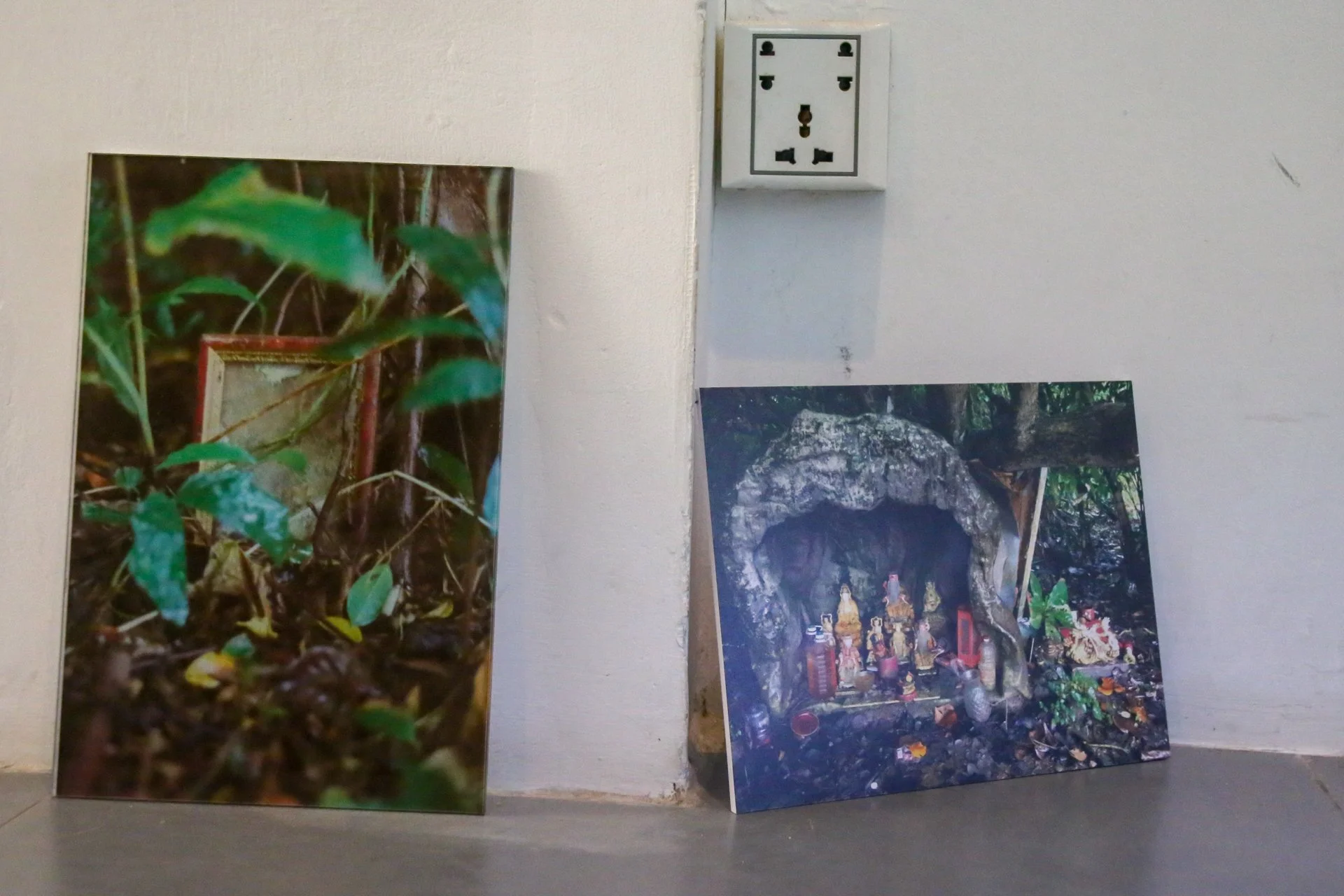
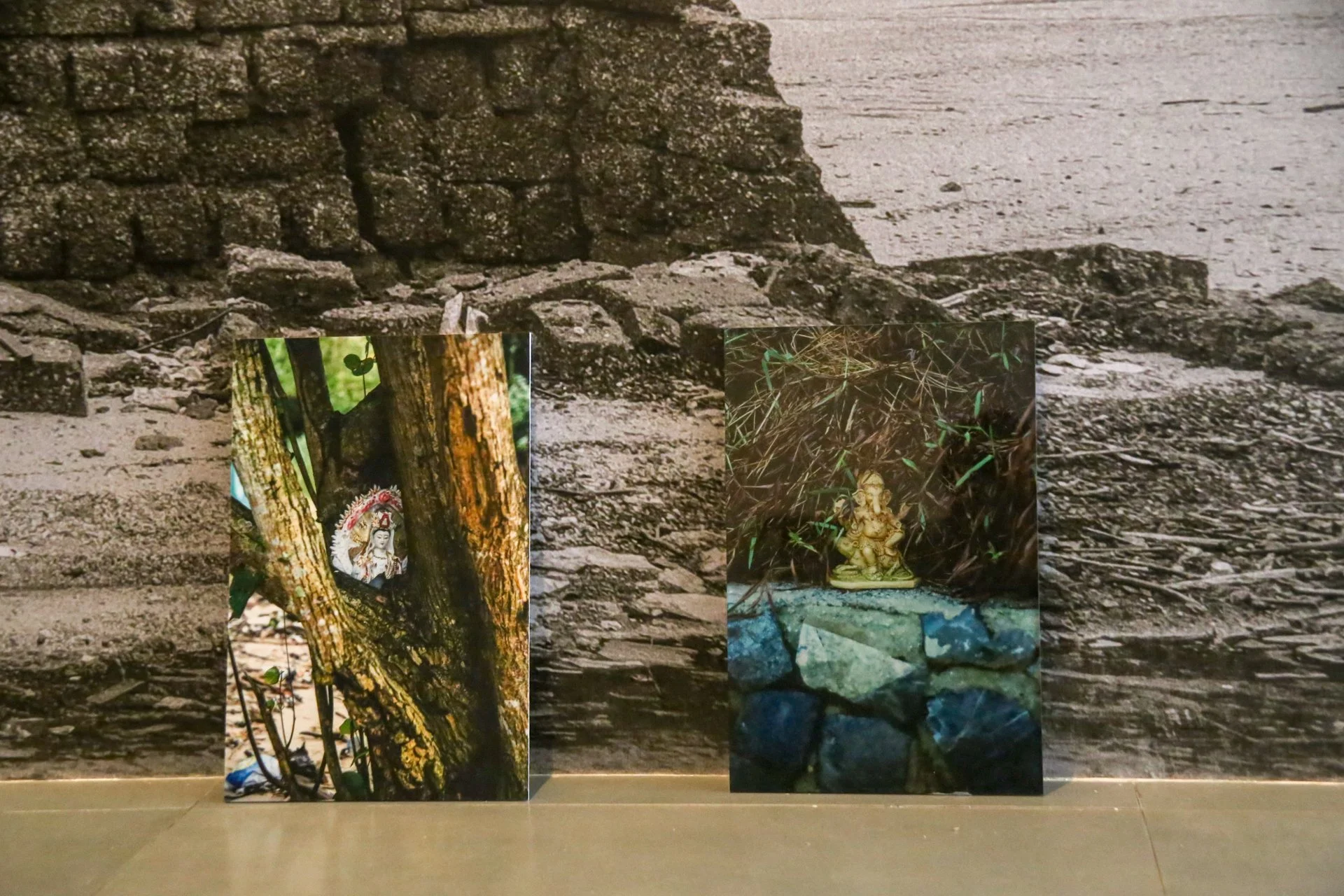
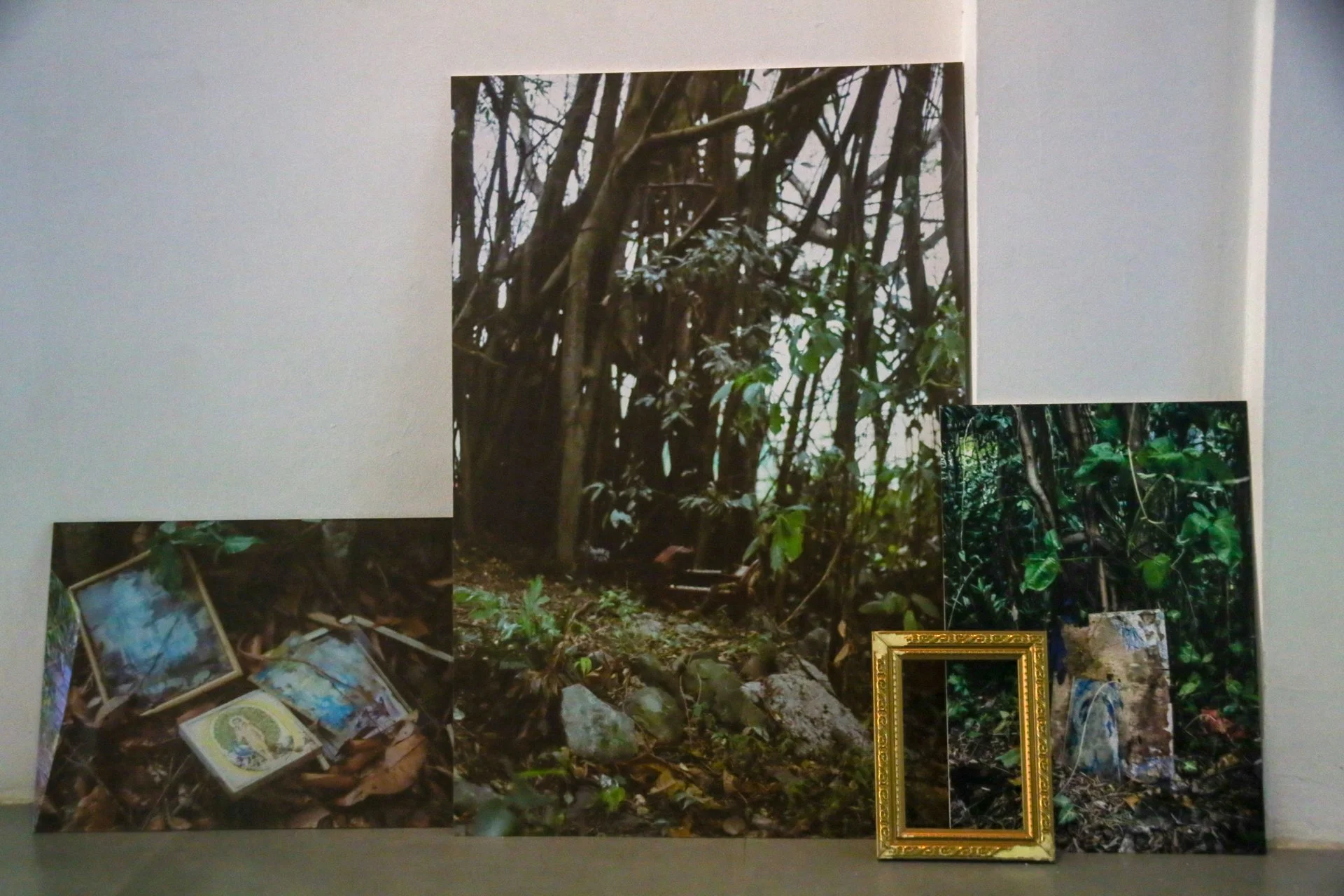
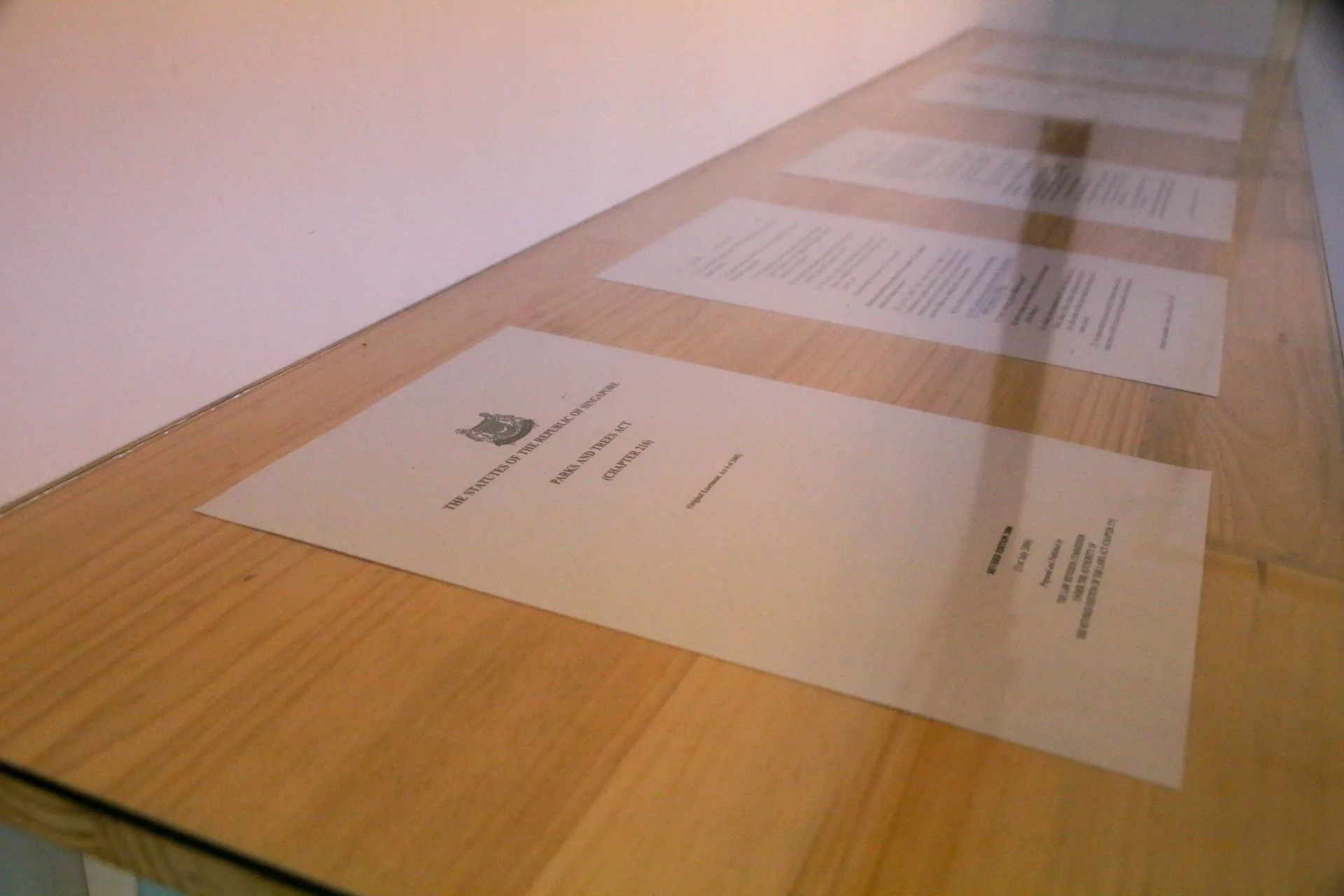
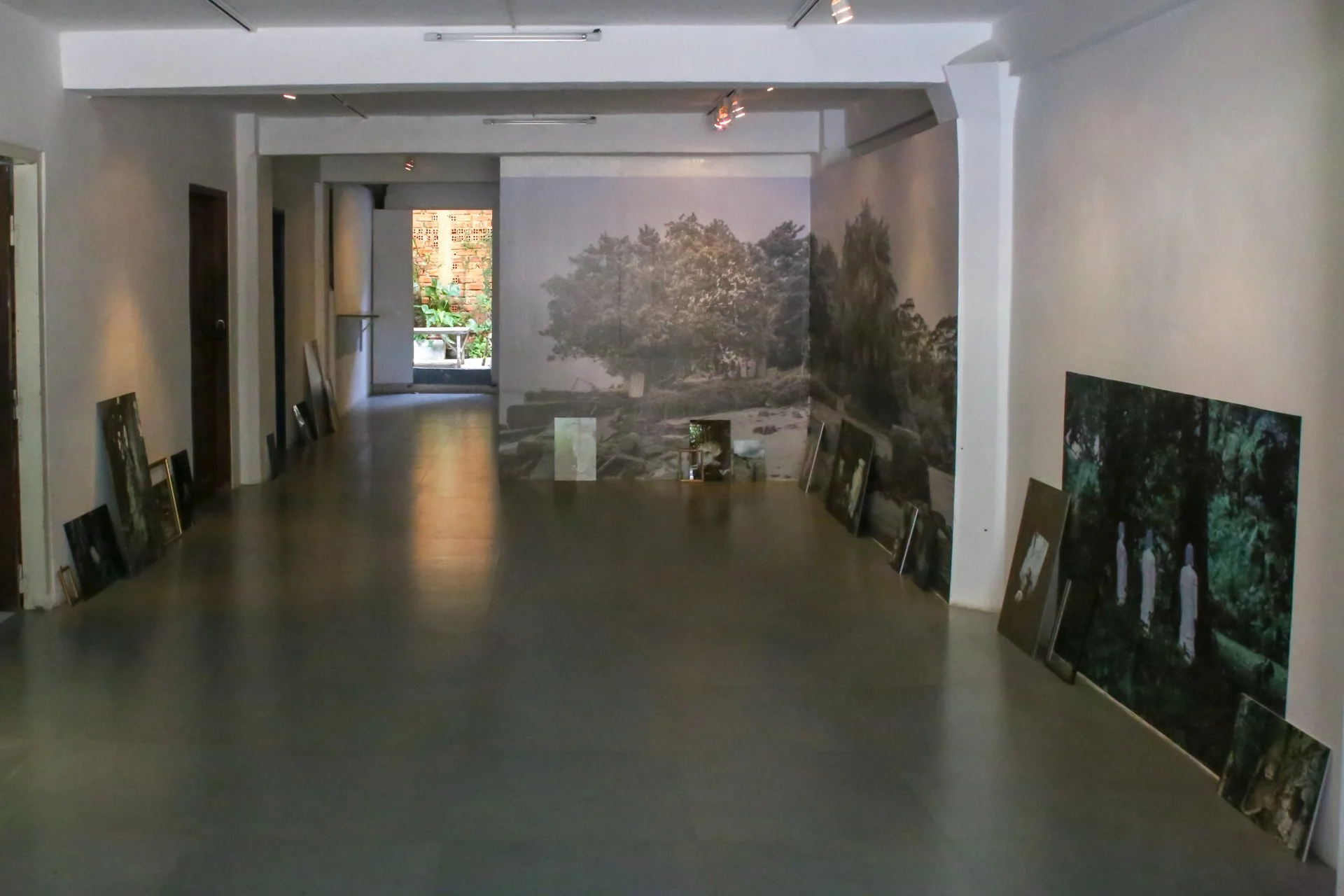
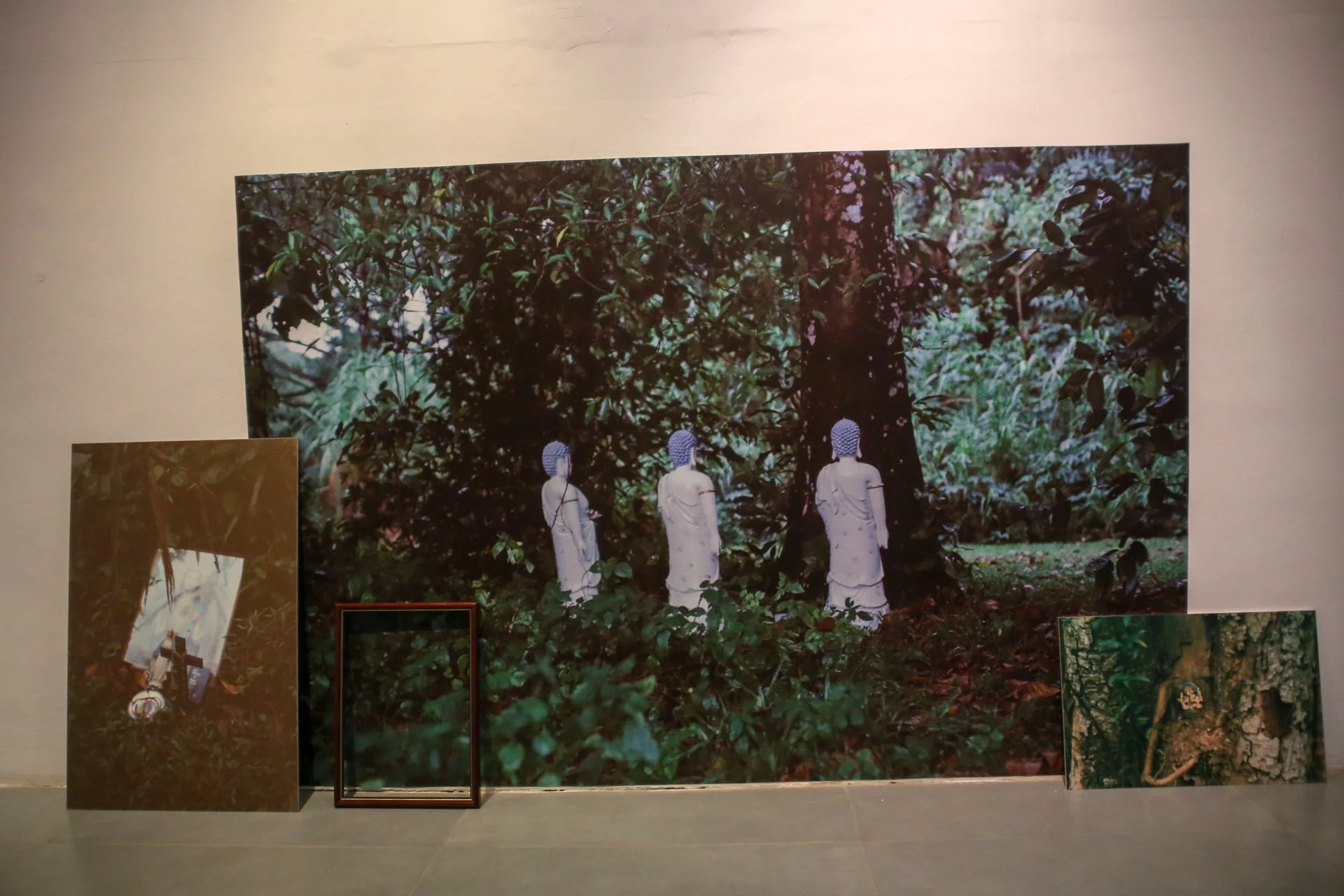
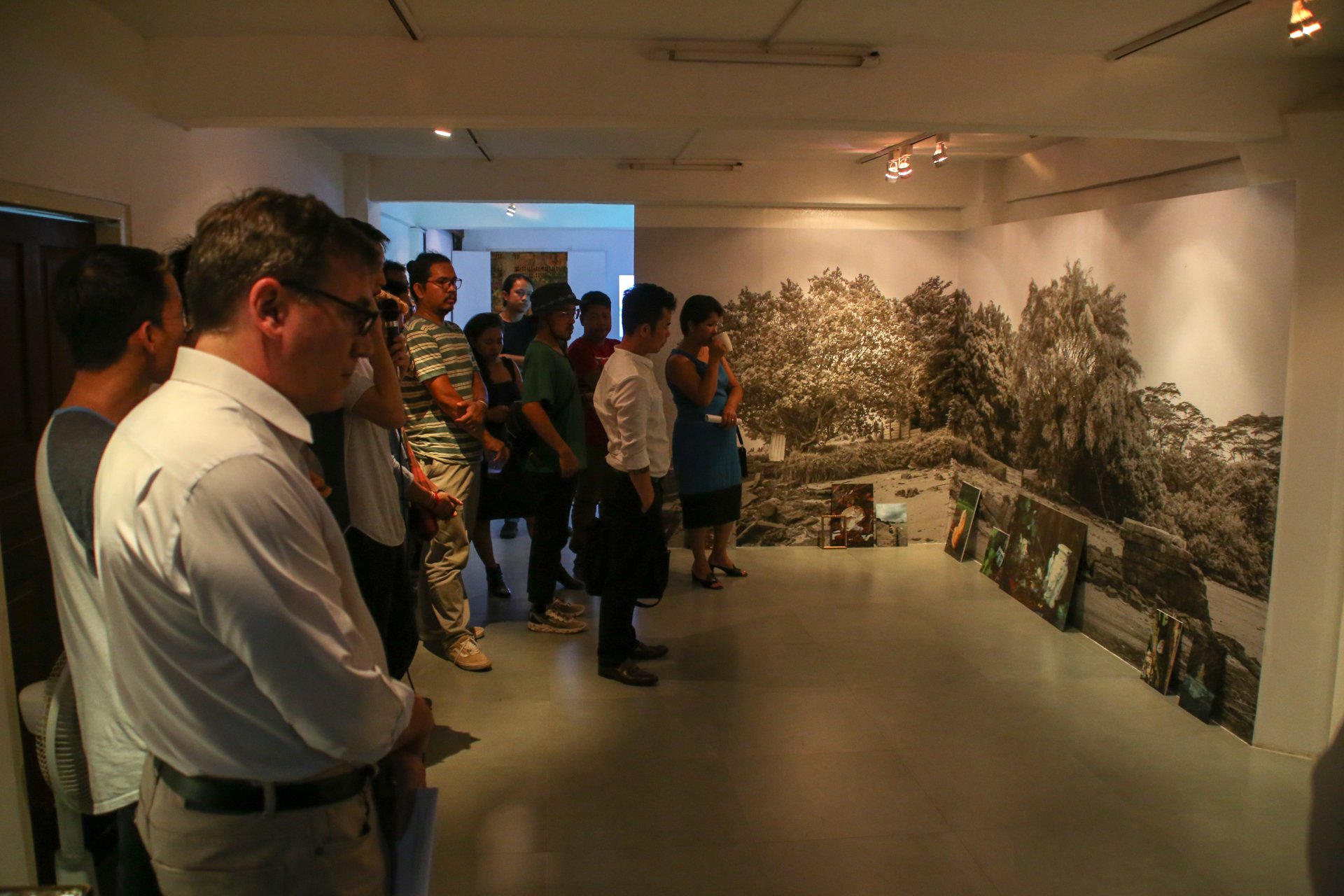
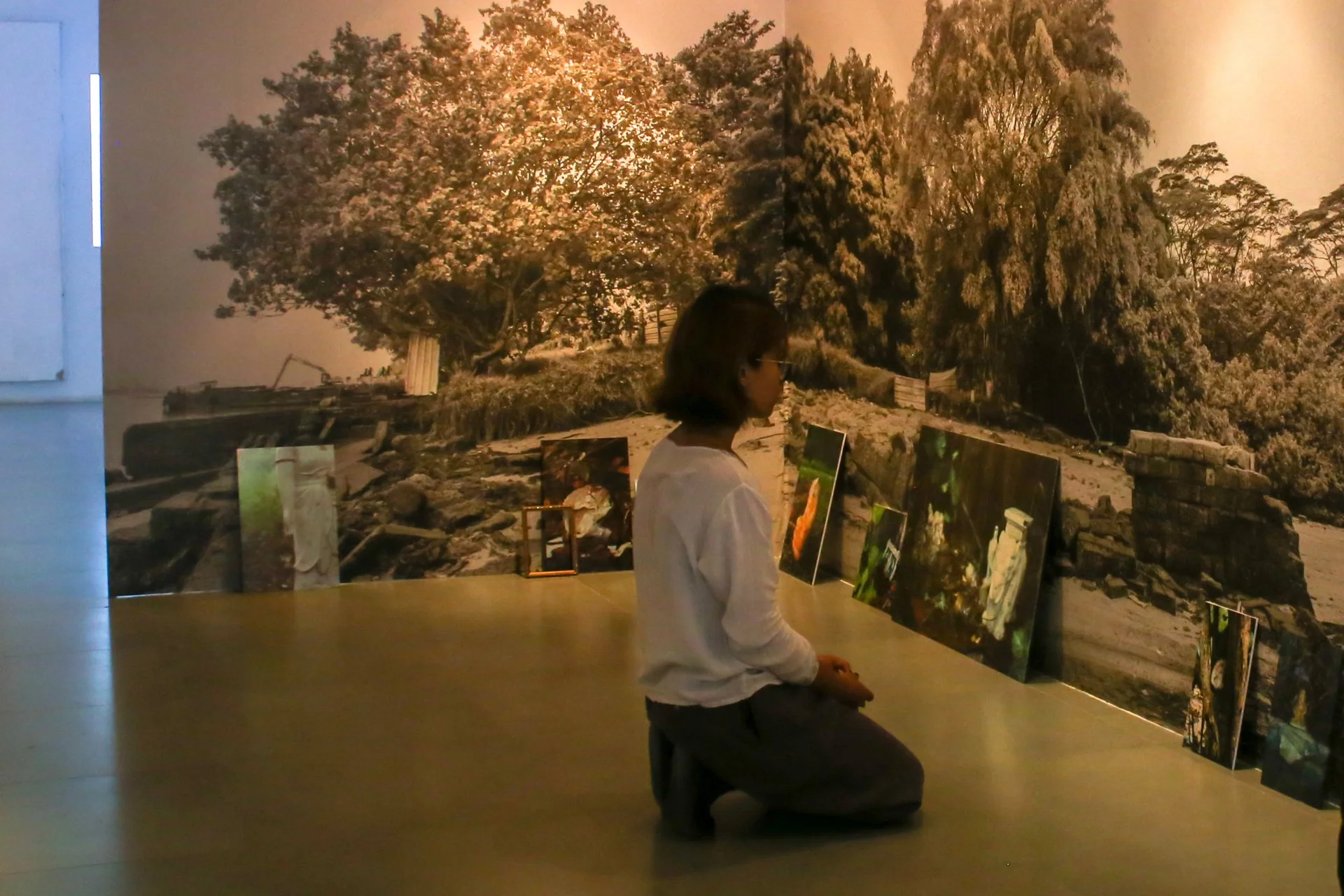
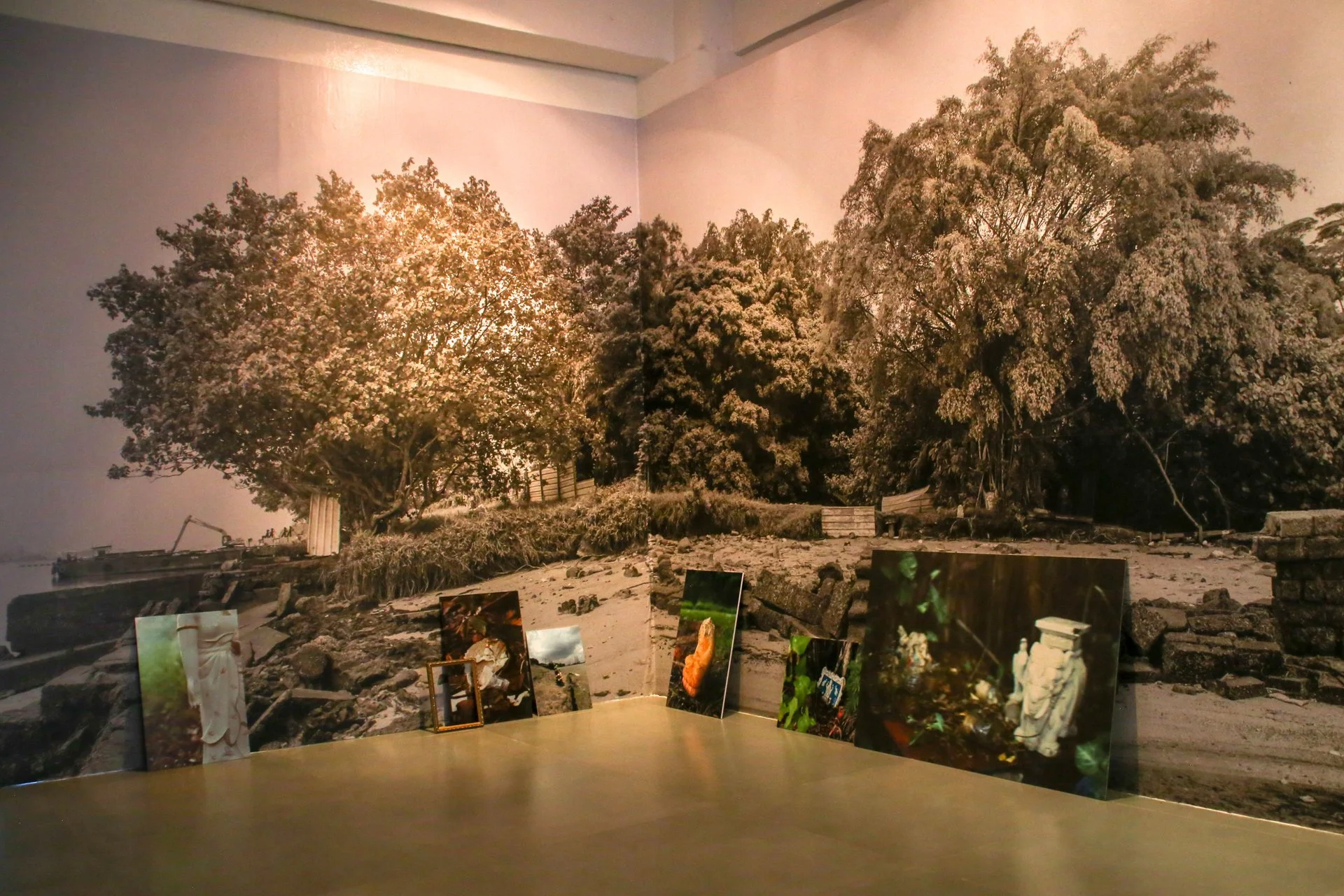
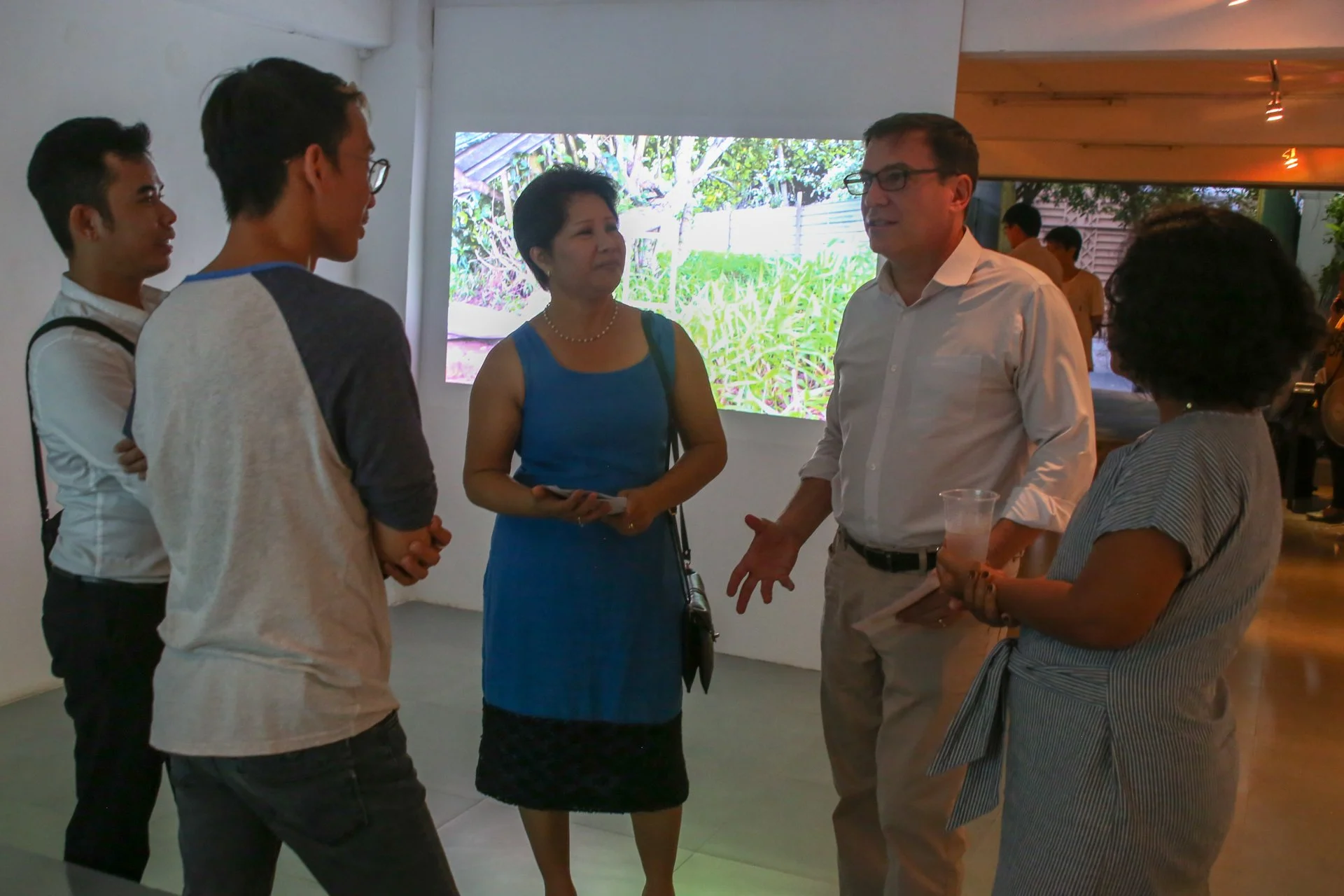
Beneath the Bodhi & Banyan presents a collaborative work of photographs and video by Singaporean artists Chu Hao Pei and Lee Chang Ming who document the passing presence of “abandoned” figurines and images of deities underneath trees in Singapore. Introduced here in this exhibition is an installation of twenty photographs and a two-channel video, depicting informal tree shrines of various deities that the artists found on the north coast of Singapore. These figurines and images are predominantly of Hinduism, Buddhism, Taoism and localised hybrid religion, and often in the form of Ganesha, Shiva, Hanuman, Buddha, Guanyin (Avalokiteshvara), Datuk Gong, Tua Pek Gong, and others. These informal shrines are usually formed anonymously when people find “disposed” deities washed ashore on the Singaporean beach and then place them underneath Bodhi or Banyan trees nearby as a way to pay respect. They are believed to have been “discarded” for various reasons including being replaced with new figures, or switching of religion. Their presence, however, is only brief as they are considered illegal and therefore are regularly cleared up by the Singaporean government. The clearing up of these deities raises a critical question for the artists, “as it suggests that there is perhaps no place for personal spiritual practices of the individual outside of institutional and fixed entities. How does this affect individuals and communities in developing a relationship with place through meaning-making?”
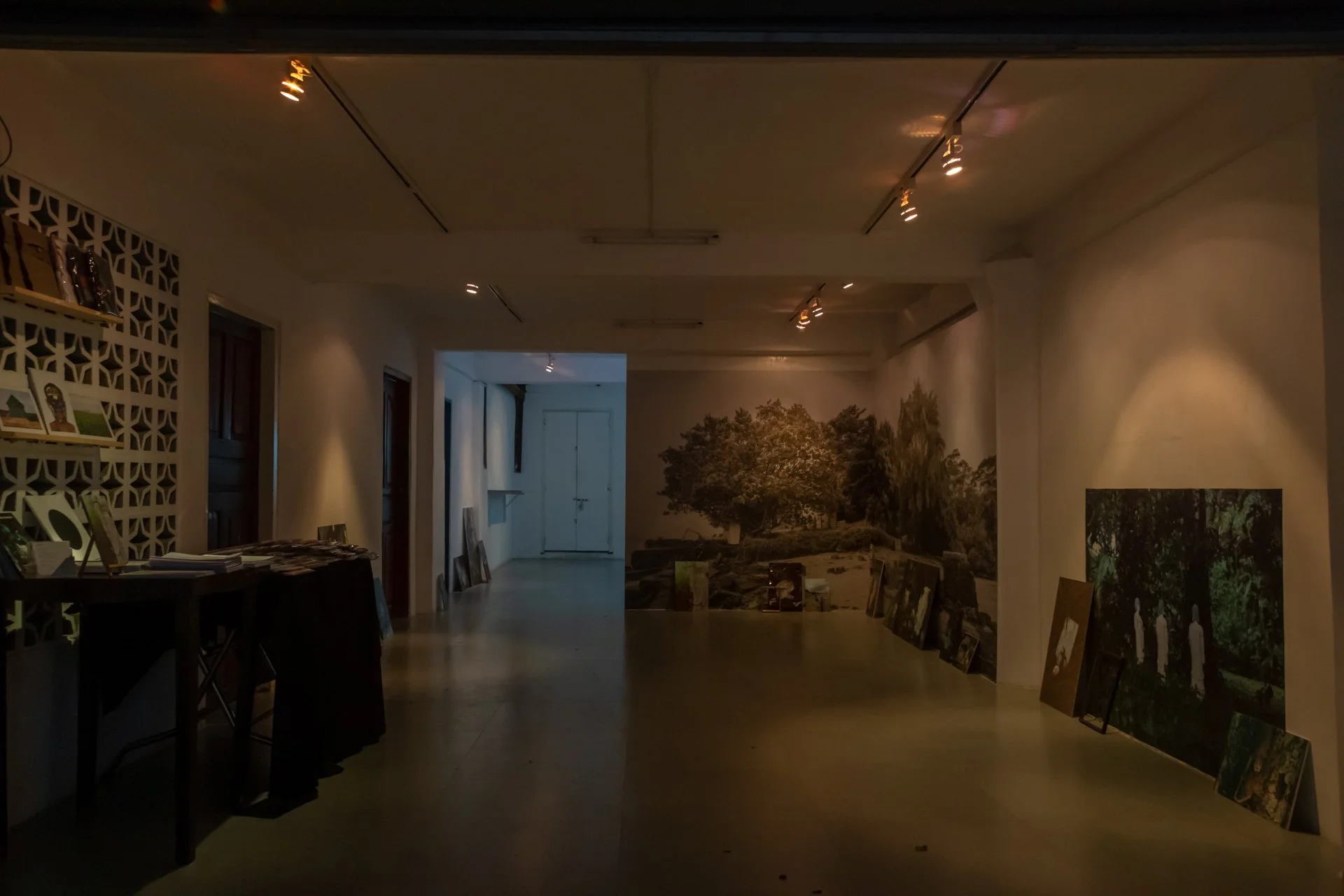
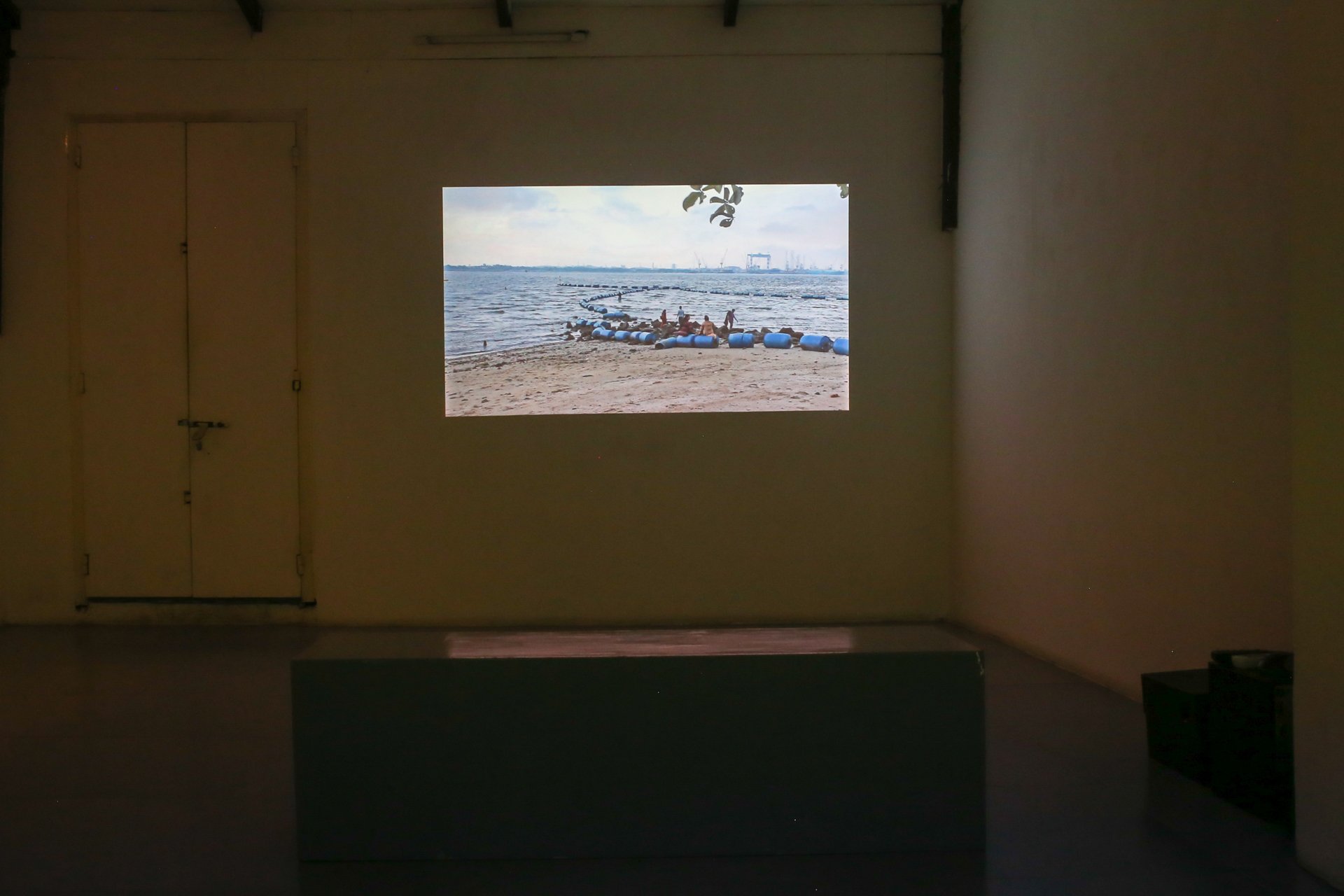
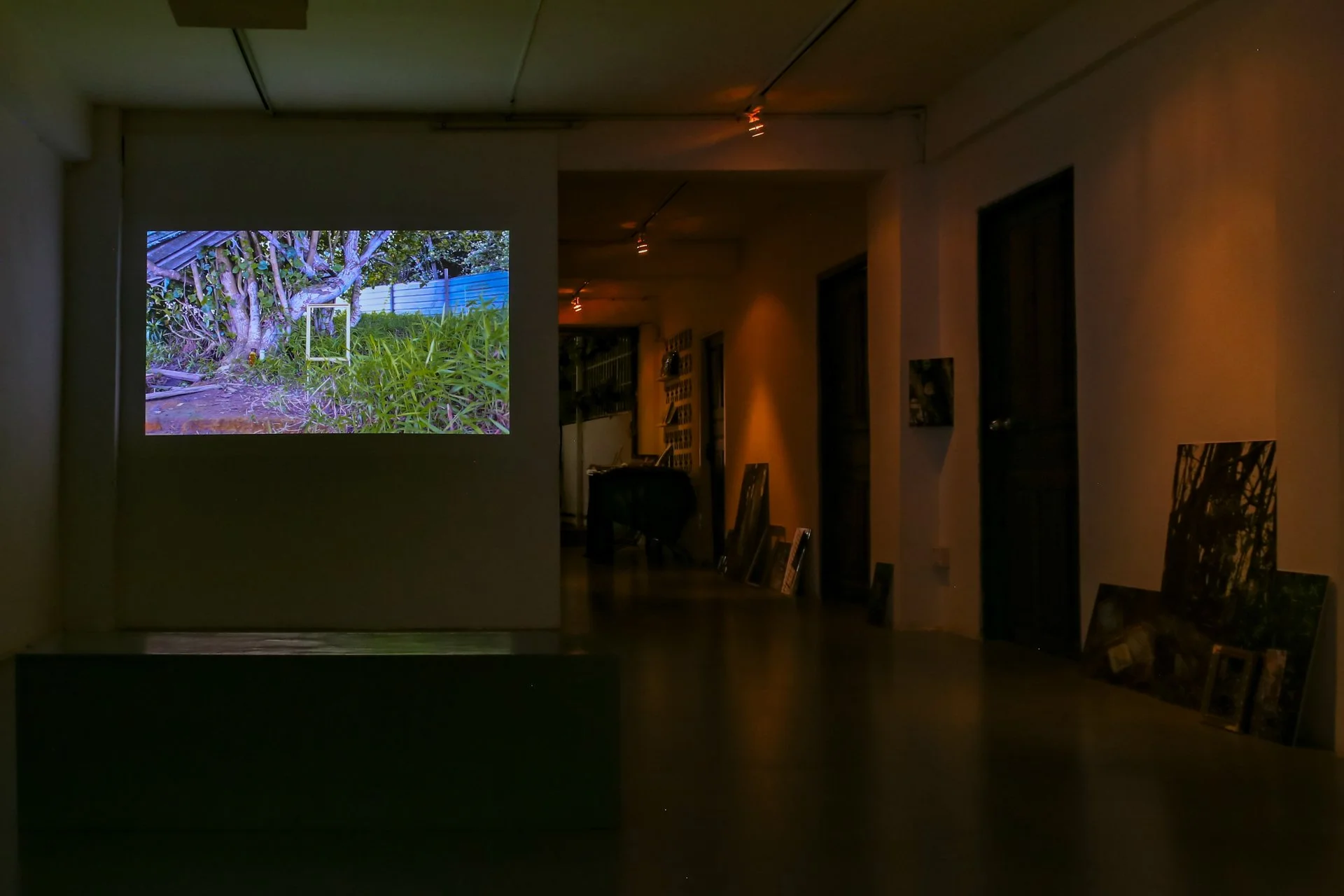
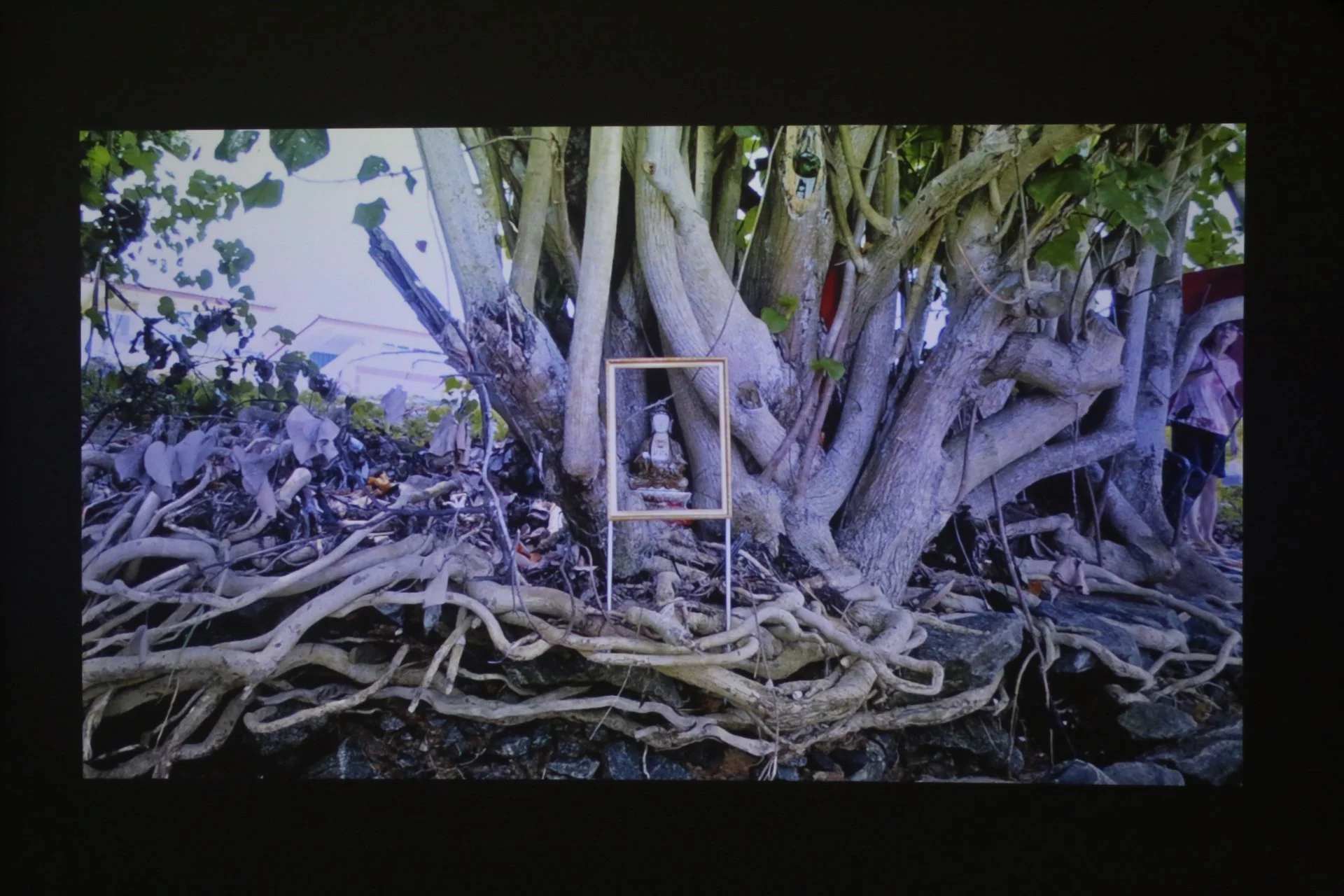
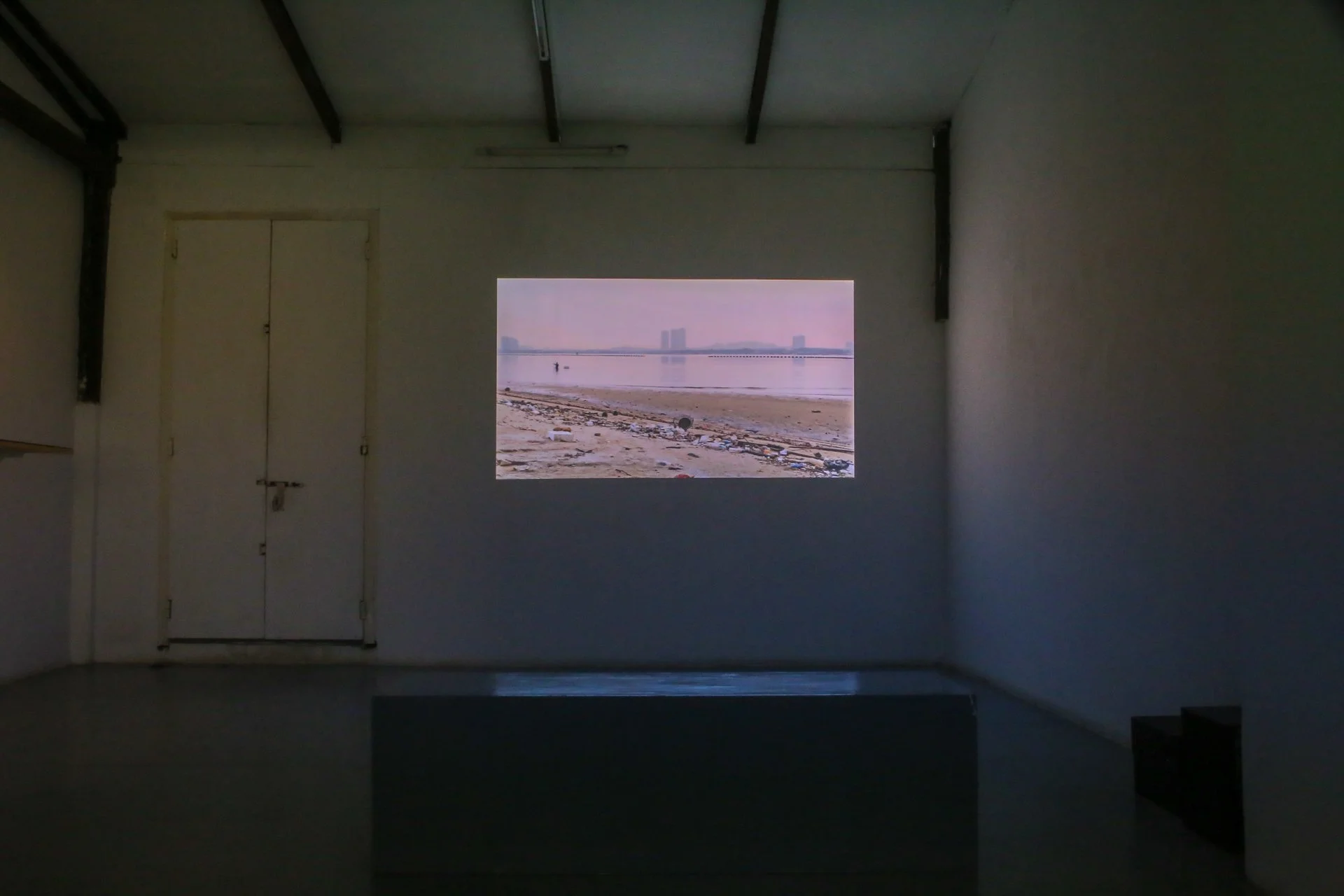
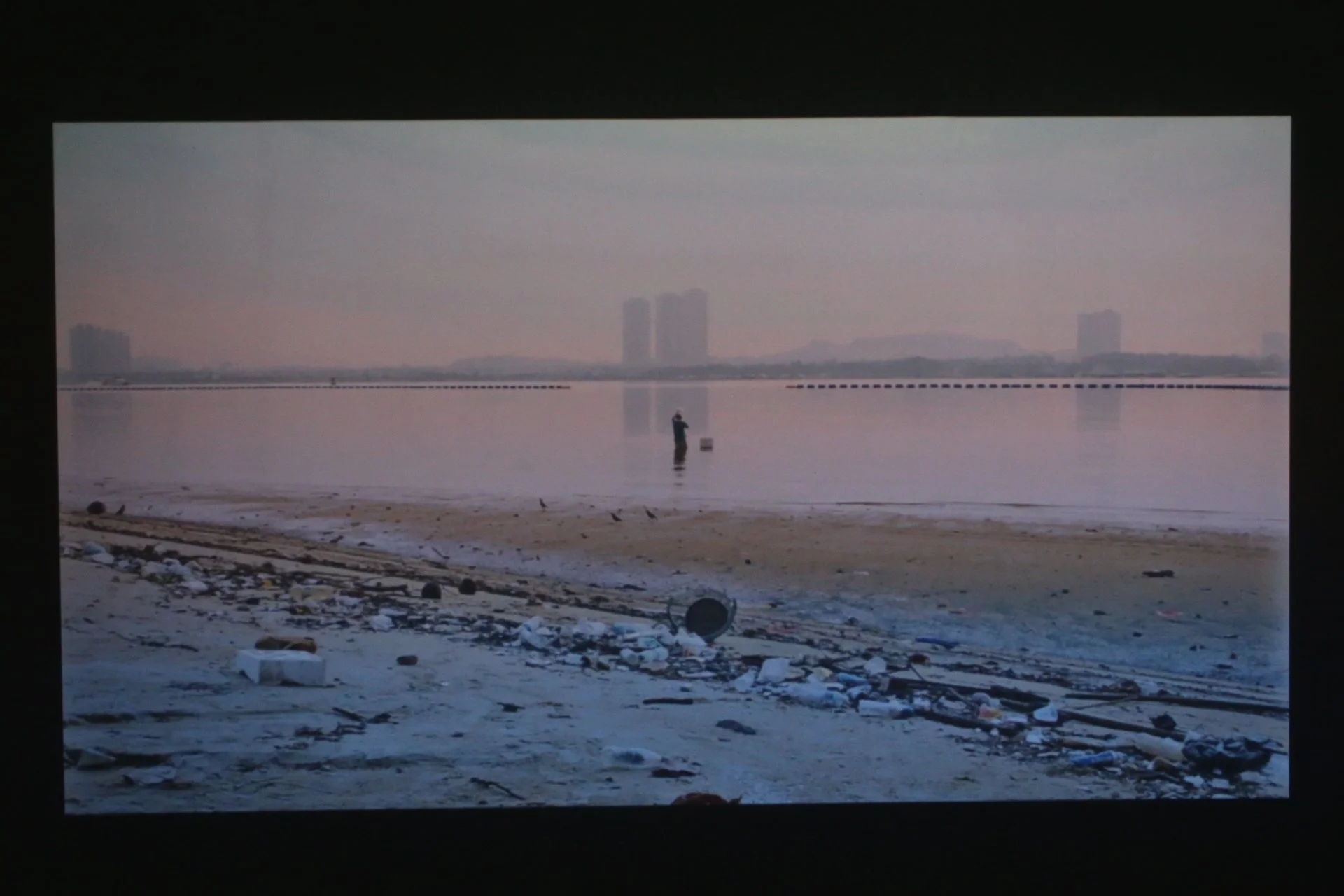
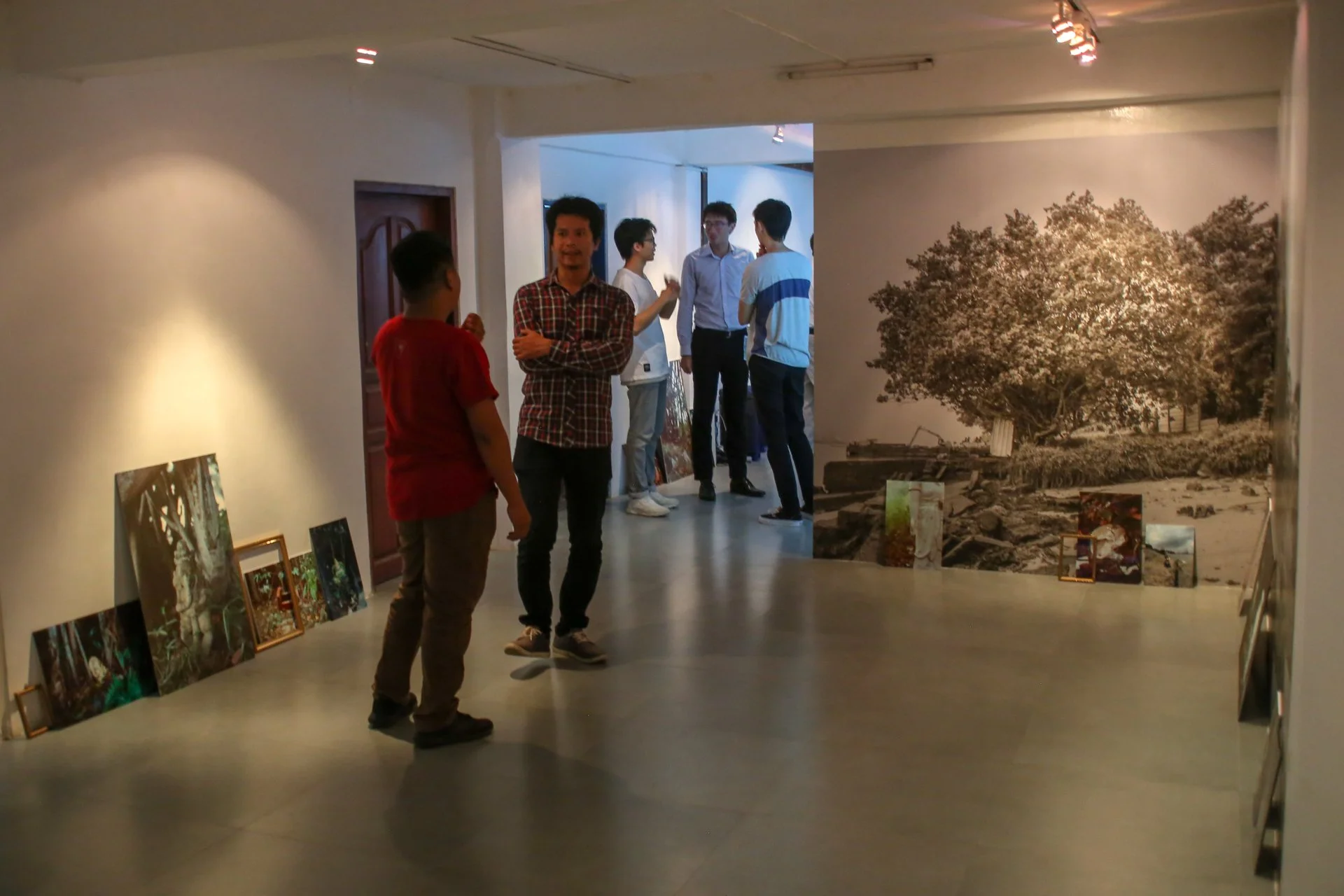
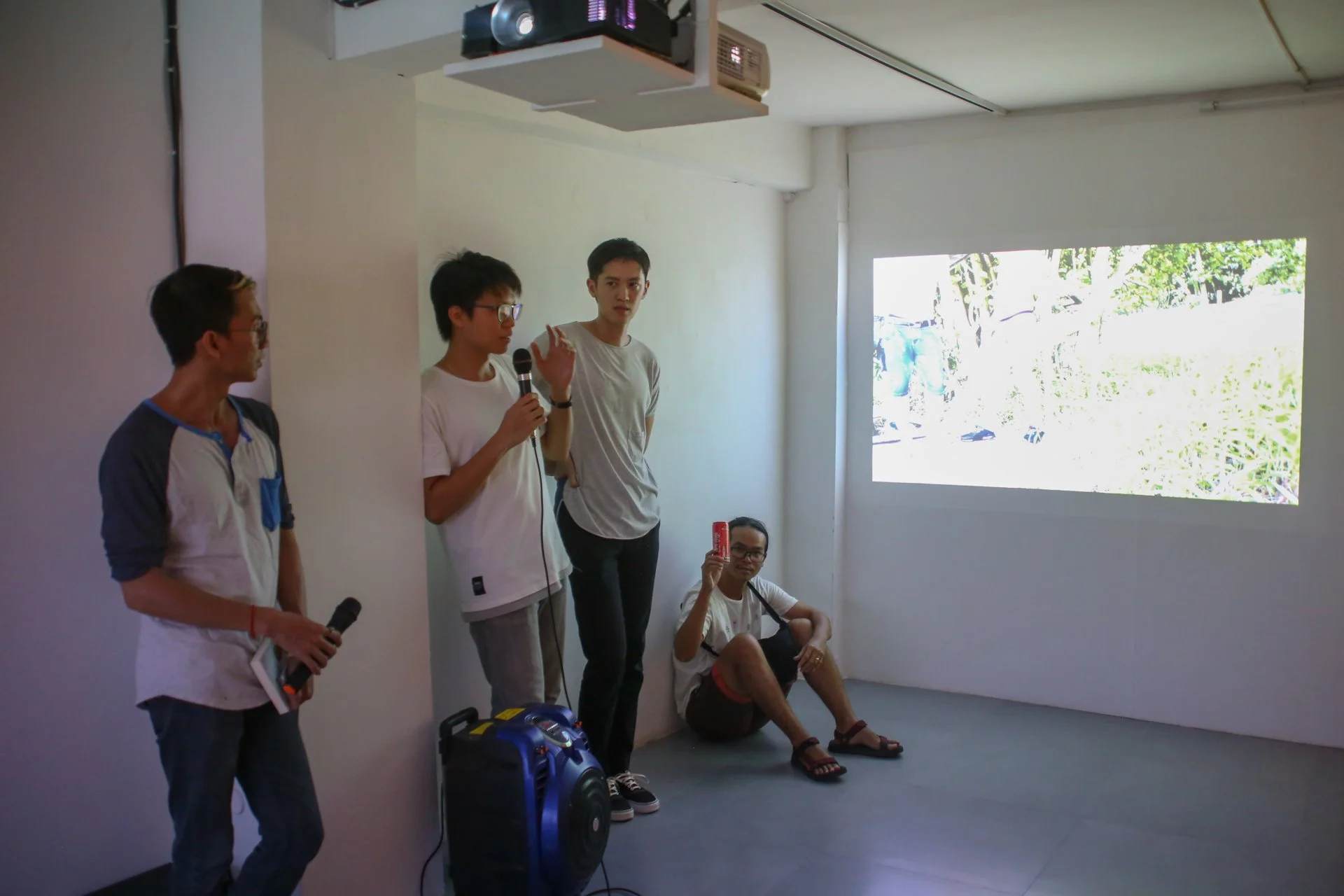
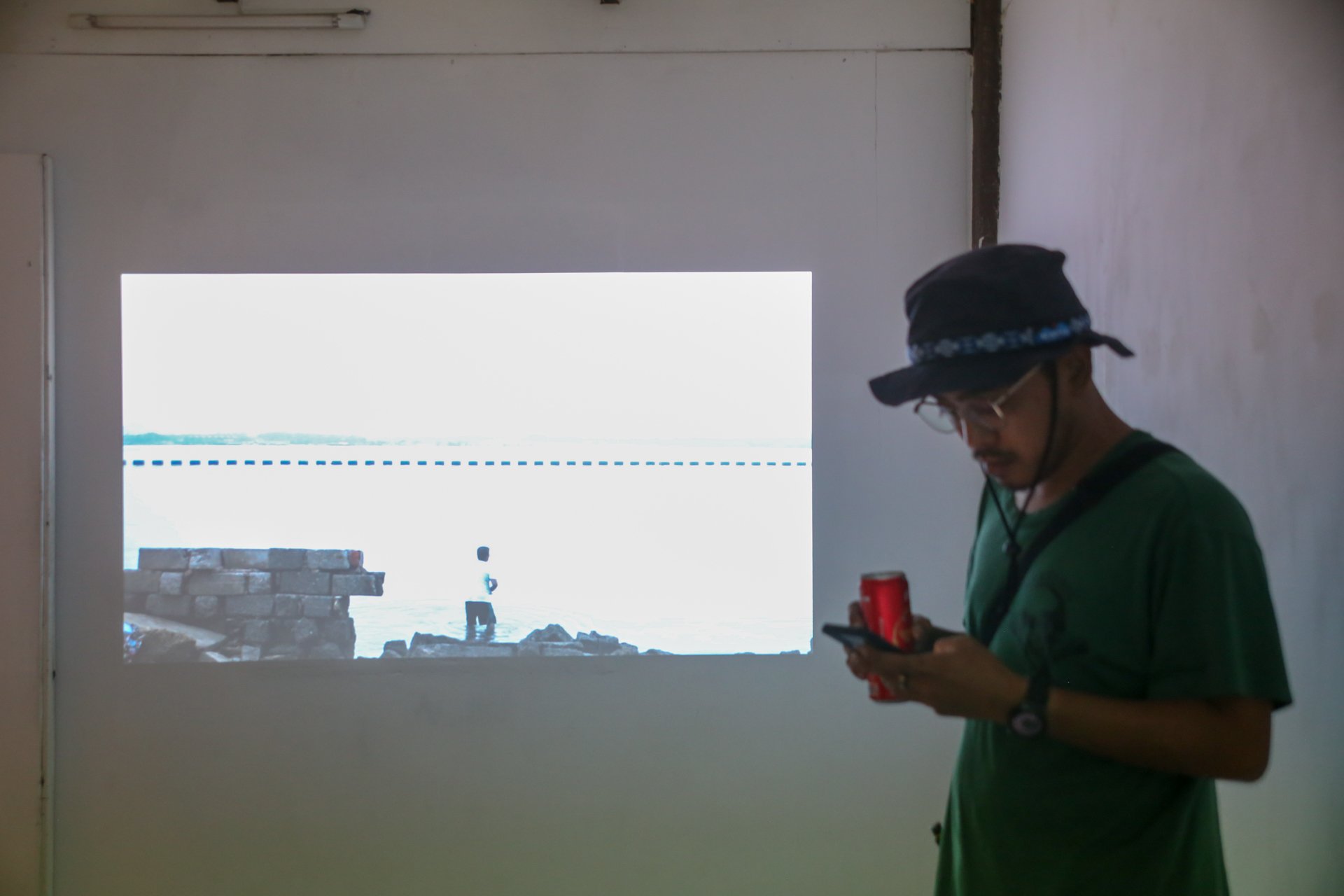
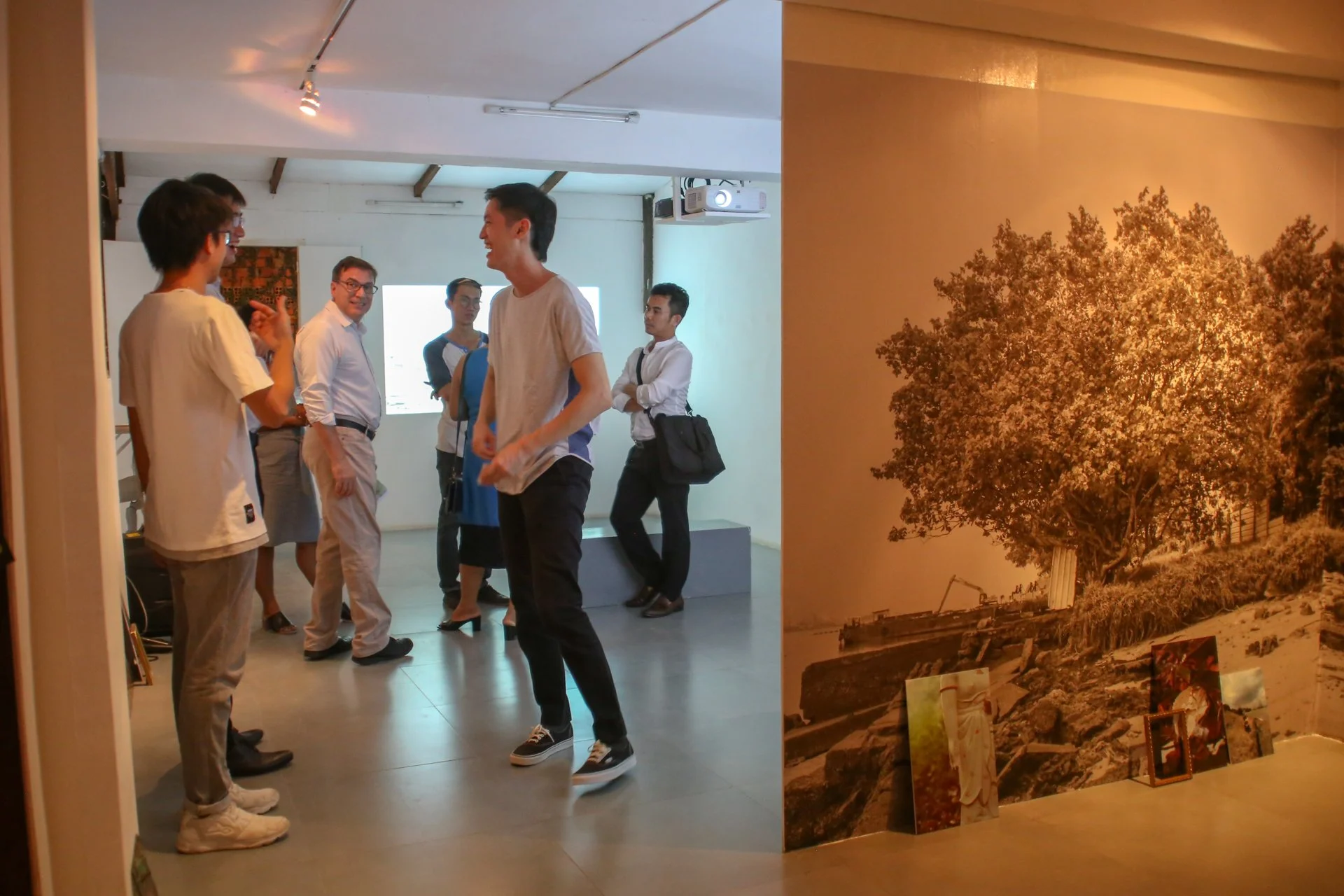
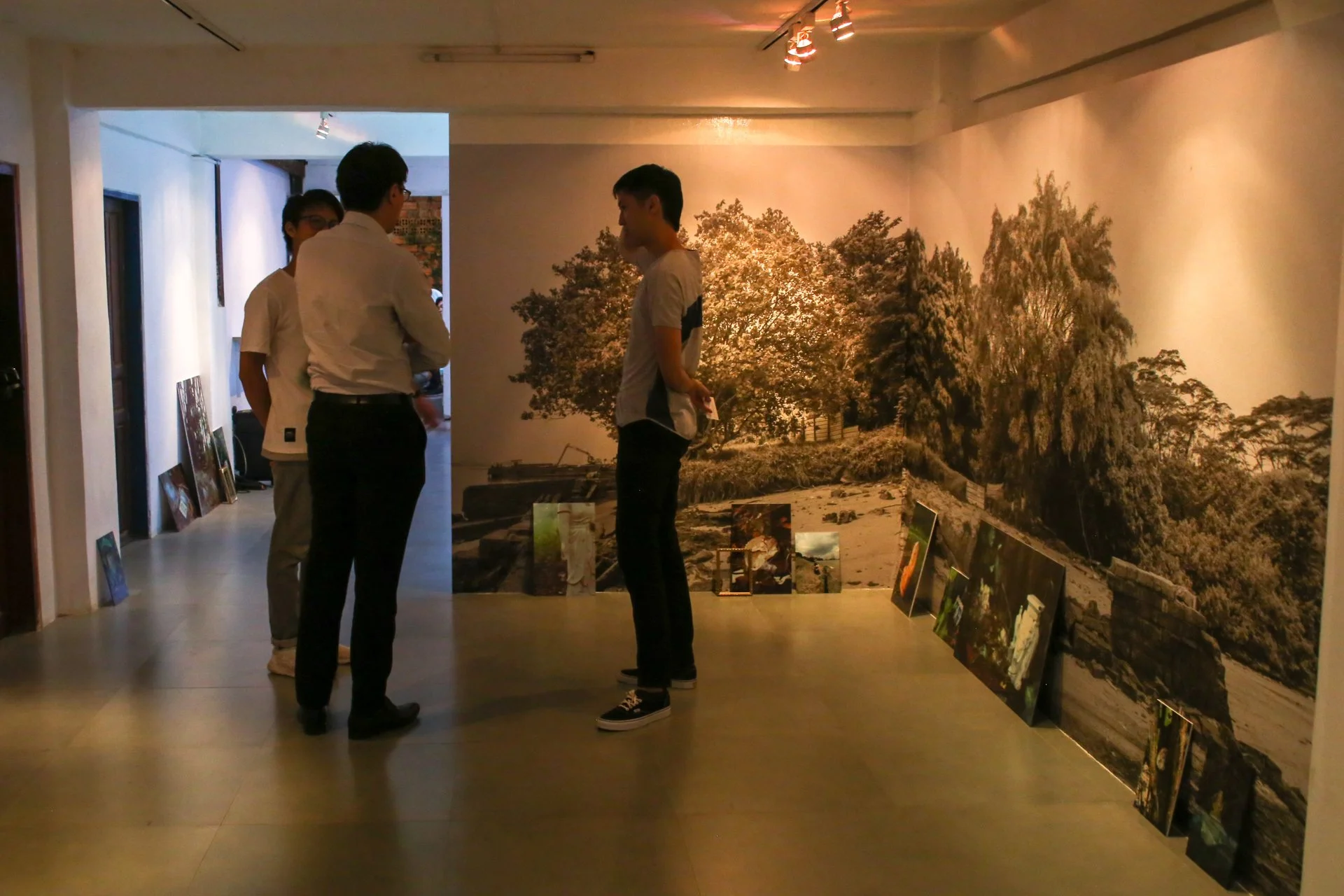
The exhibition presents photographs of various sizes installed on the floor like those deities of different sizes and shapes placed on the ground. The installation will shift and change several times over the course of the exhibition, so the encounters are different at different times, similar to the encounters with the deities on the real sites. In the second half of the exhibition space, the two-channel video captures two opposite views. One channel presents the audience’s perspective looking at the deities. The artists place a frame in front of the figurines as if calling for attention as people pass by. The other channel is the deities’ perspectives looking out. They are views across the shore of Singapore onto Malaysia. These views seem to suggest an act of witnessing and claiming presence and space. It is believed that these deities are “disposed” into the ocean from both Malaysia and Singapore. Their journey, presence, and re-reverence, hence, take place across the two states. Their “abandonment” in turn makes them become agencies to unite spiritual communities and territories across political borders.
Beneath the Bodhi & Banyan reflects the larger socio-cultural, religious, and ethnicity structure as well as the geopolitics of Singapore. It also points to the tension and conflict between the deeply rooted cultural practice and the order of modern society. Hao Pei and Chang Ming’s work is a testament of the agency and resilience of spiritual practice that transcends space and time. Despite the relentless effort by the Singaporean government to control and keep things in “order,” it is evident that this cultural practice will continue. The presence of these deities is temporary yet perpetual. Resting on the exhibition floor, the photographs seem to give new life to these deities again. They reappear, standing and witnessing.
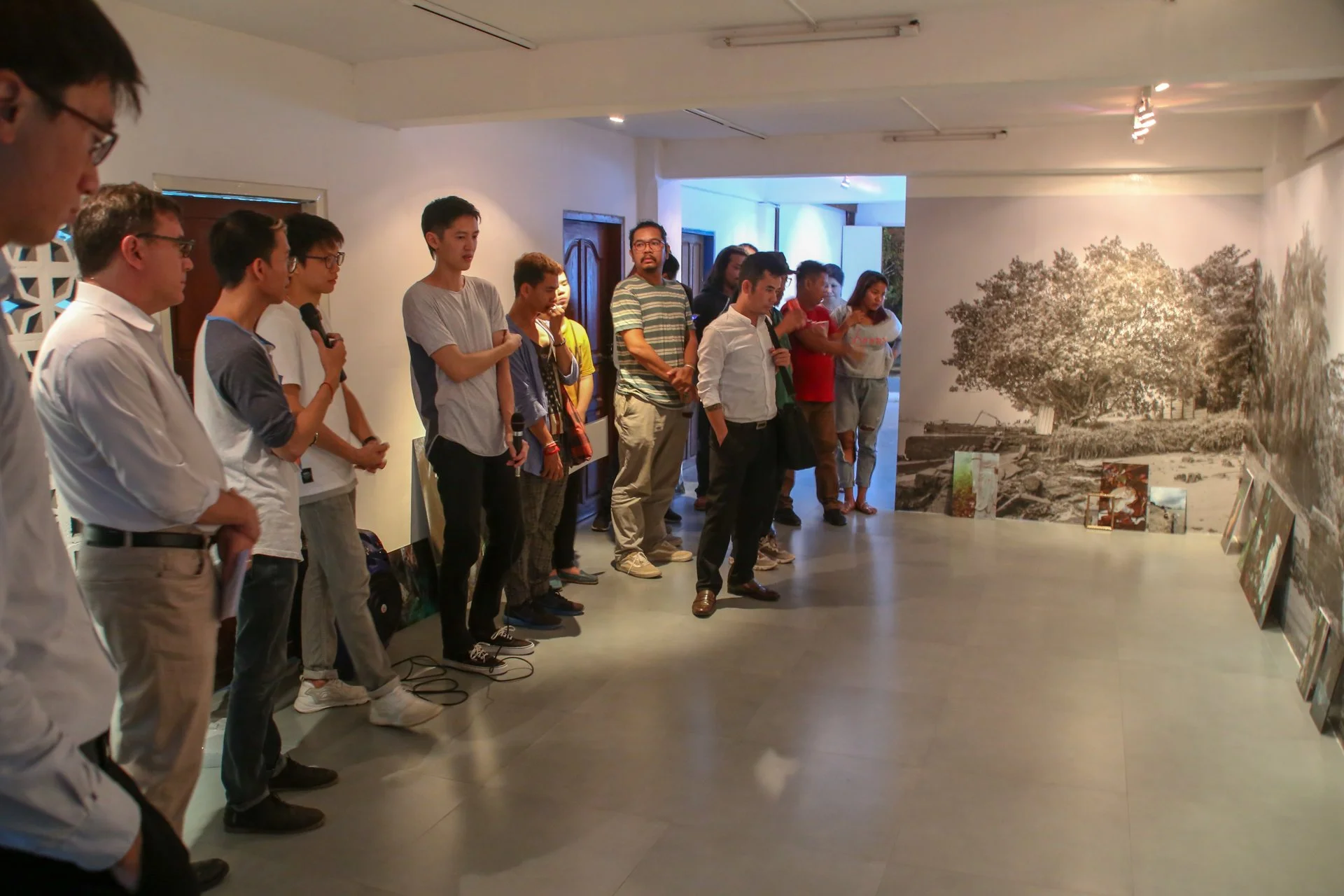
Public programs:
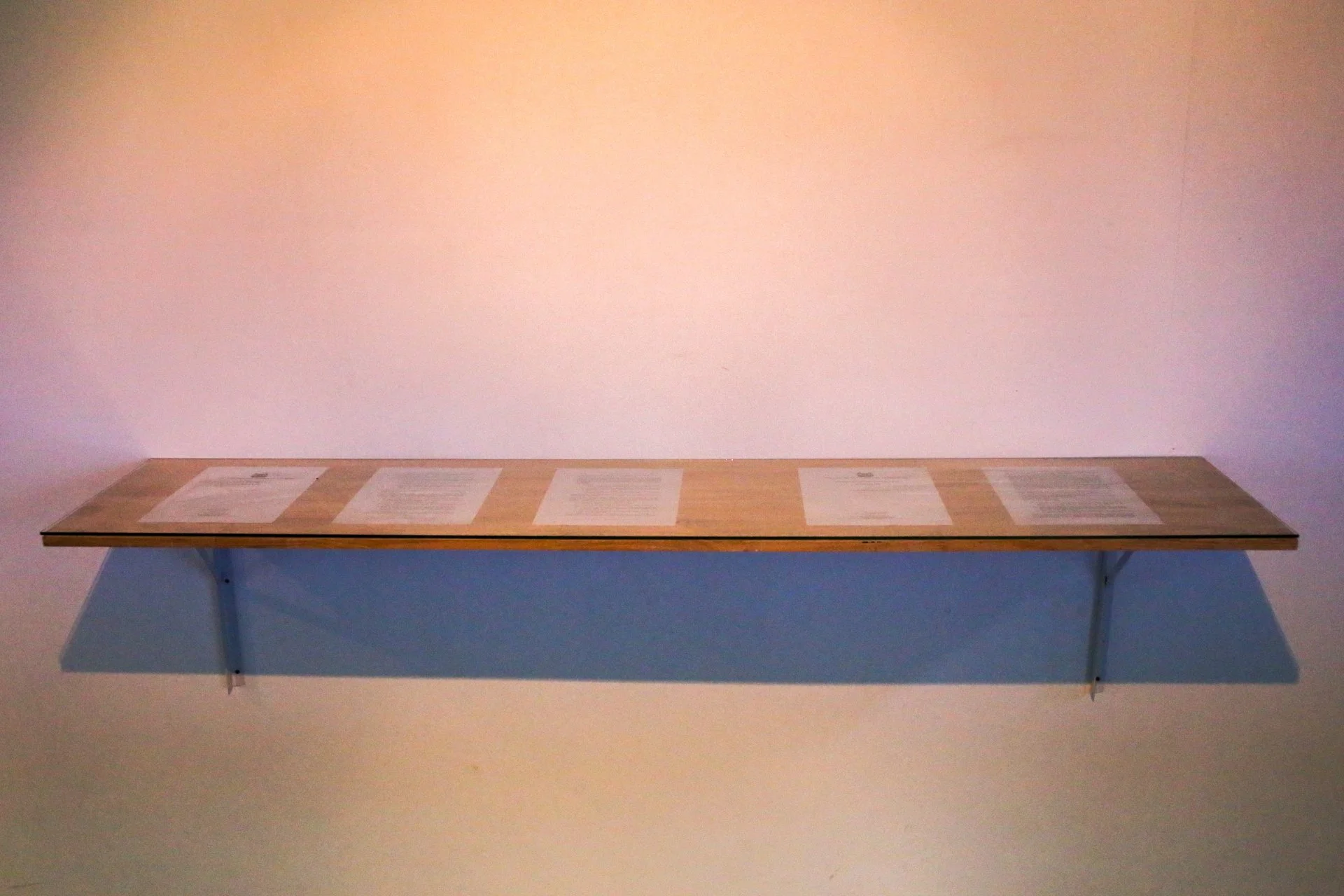
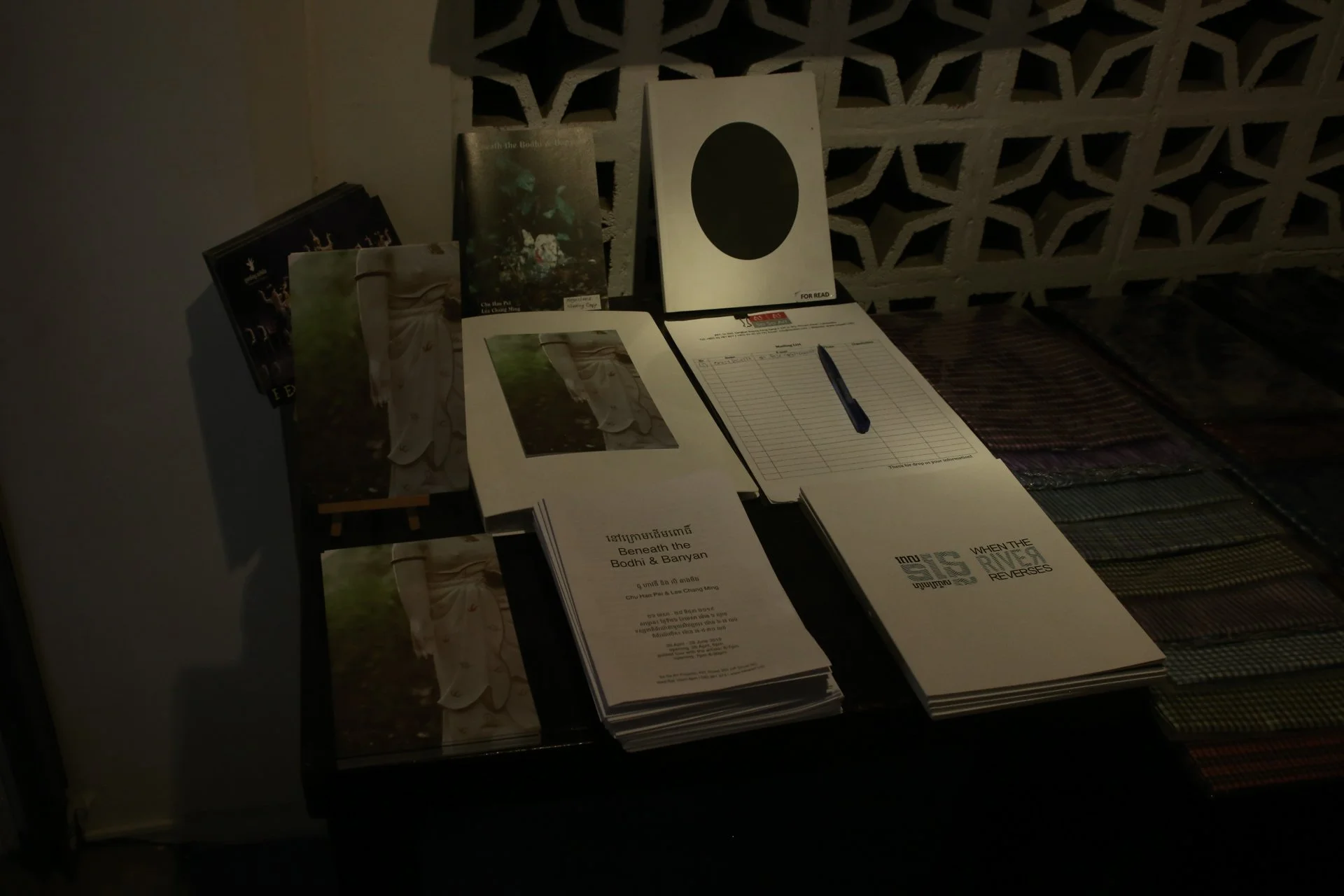
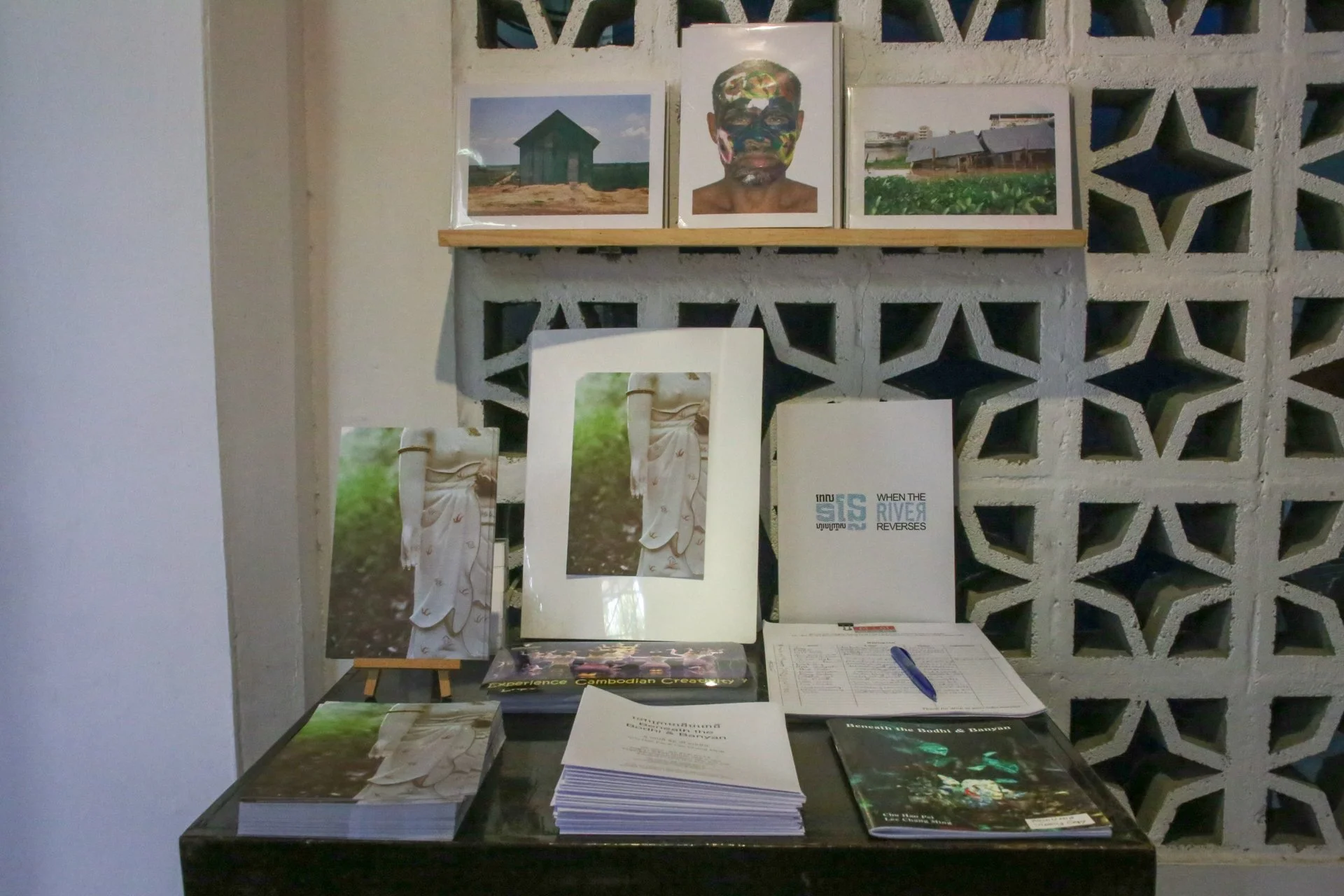
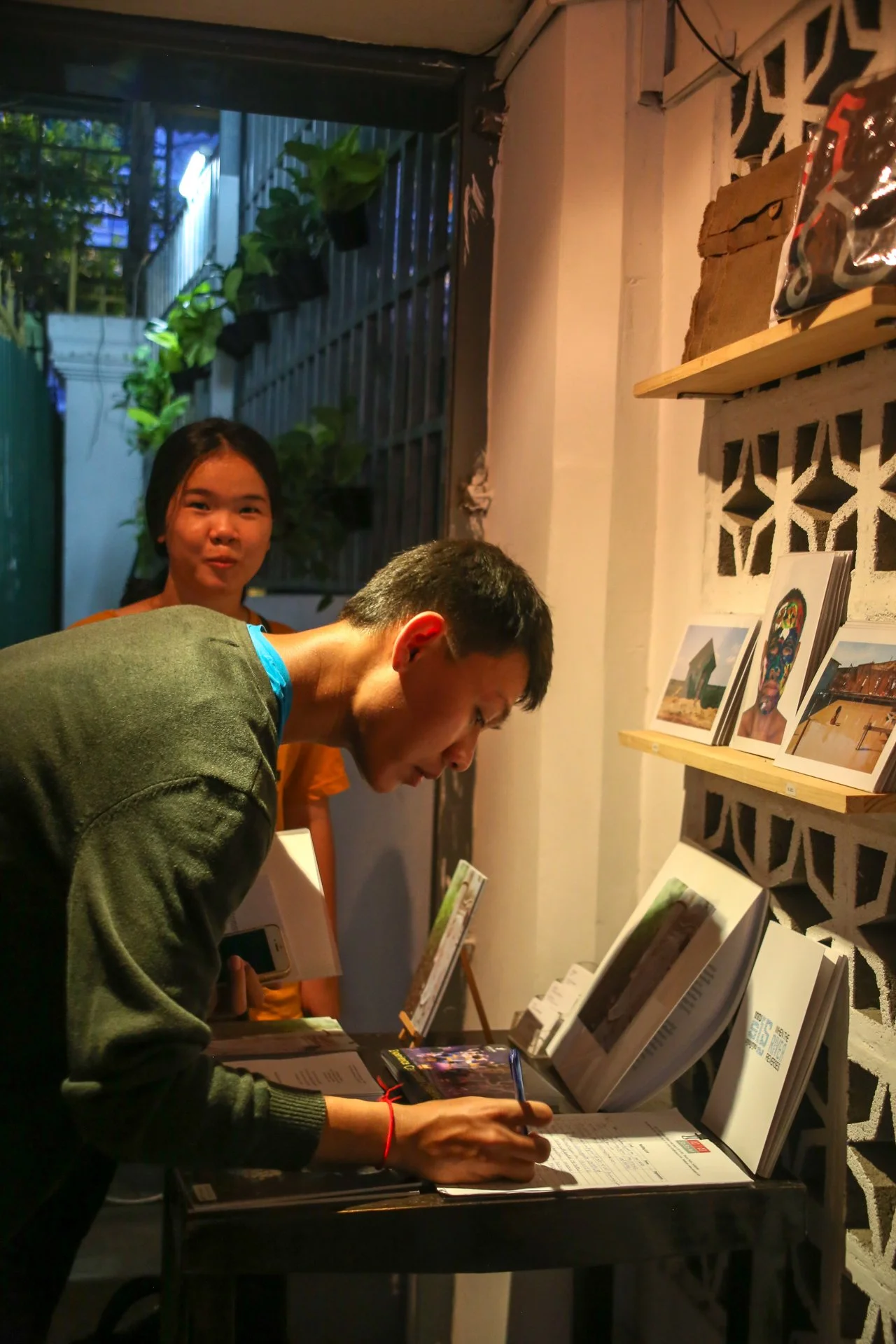
Exhibition catalogue:
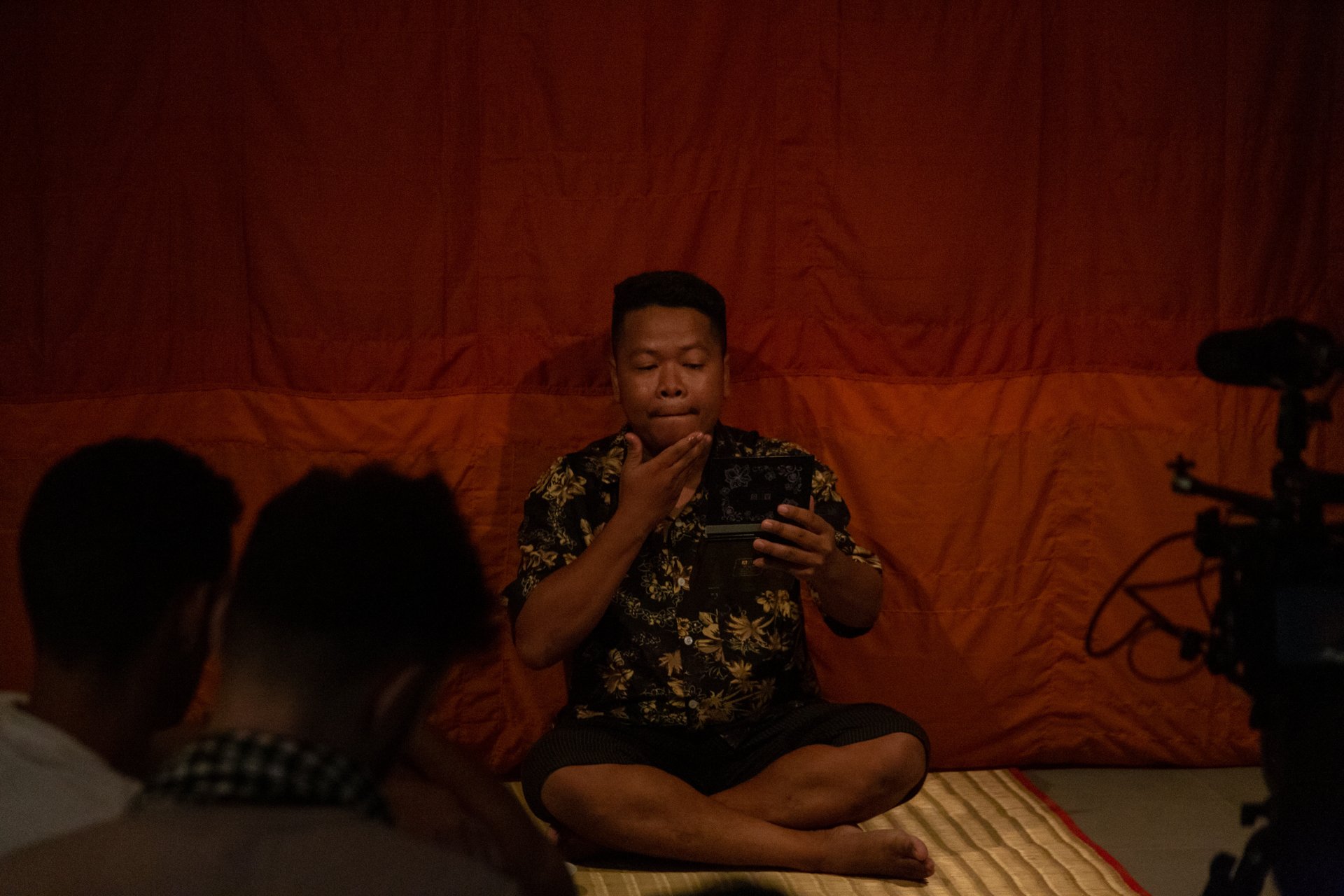
Untitled: A Performance by Than Sok
6 Jun 2019, 6:30-8:00pm
In Khmer with English translation
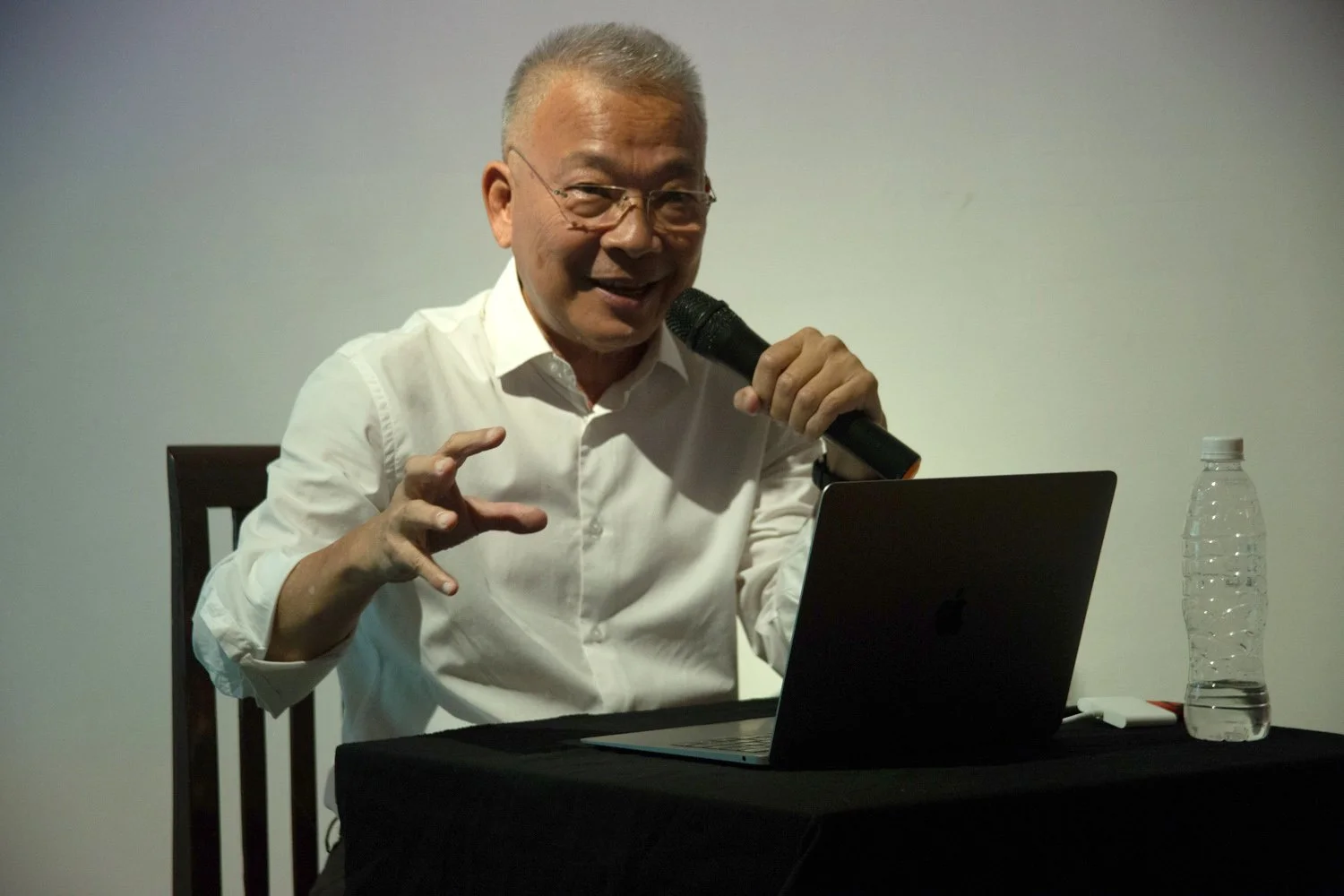
The Divine in Abstraction | Lecture by Ang Choulean
26 Jun 2019, 6:00-8:00pm

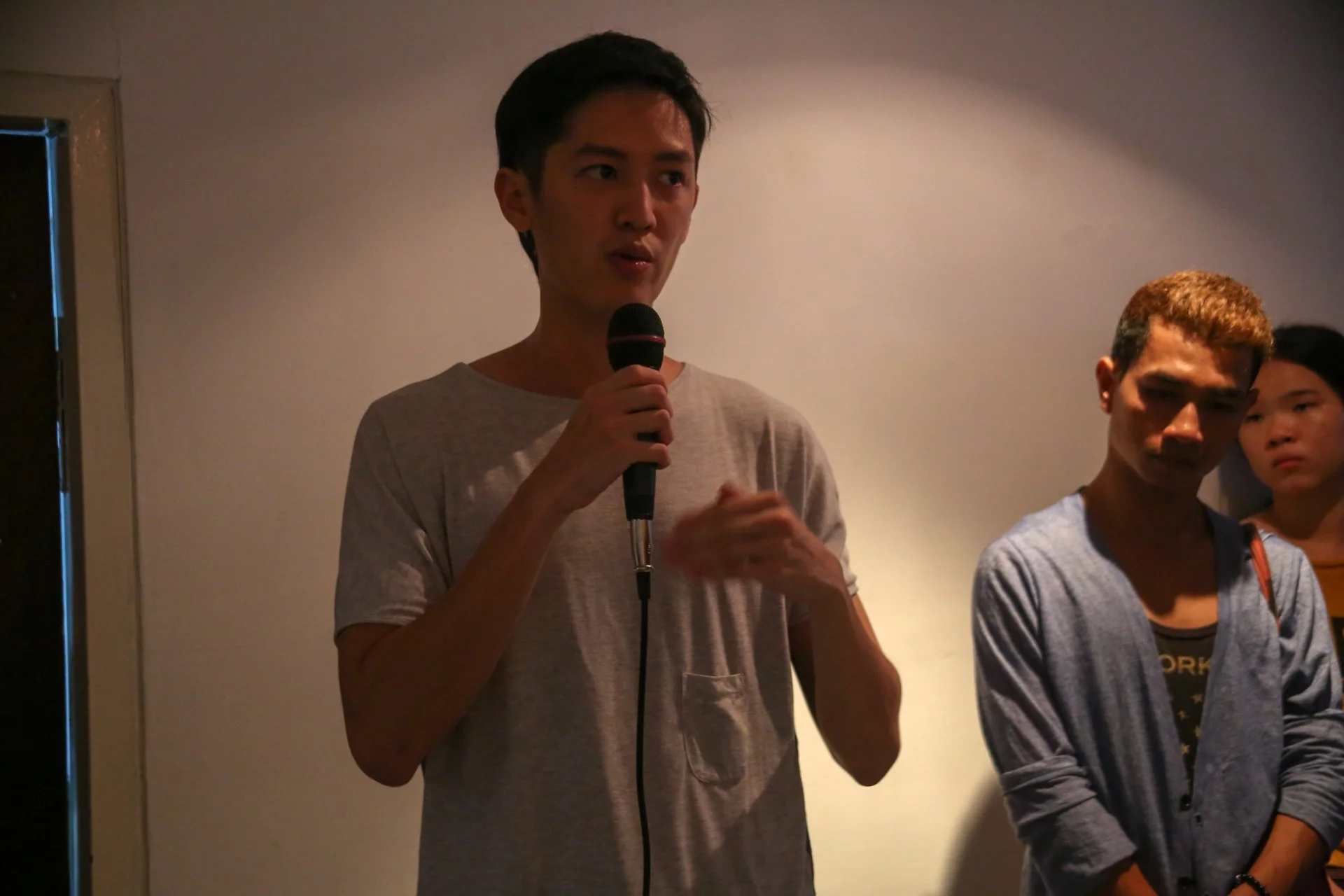
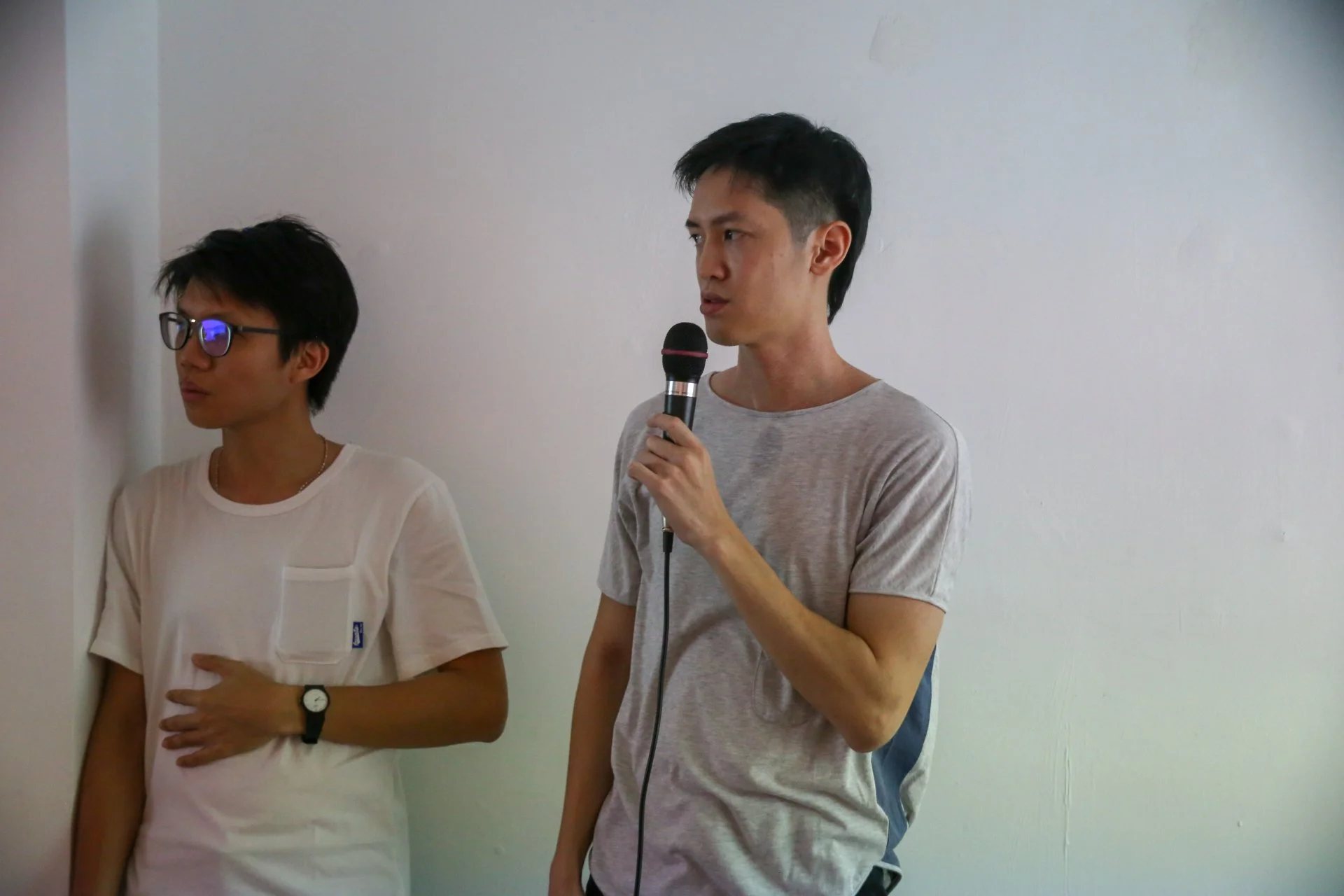
About the artists
Chu Hao Pei (b. 1990, Singapore) works with various media. His artistic practice is informed by the shifting ecological, social, and urban landscapes. By interweaving documentation and intervention as a strategy, he explores conflicts and tensions arising from state’s interventions on nature and culture. Chu’s works examine loss, or potential loss, of natural and cultural heritage as a tactic to draw our attention to wider issues of environmental and cultural loss. Recent group exhibitions include: When the River Reverses, Sa Sa Art Projects, Phnom Penh (2017); Postfuture Journey, Athens Digital Arts Festival 2017, Athens International Airport “Eleftherios Venizelos,” Greece; and Co-Existence Art Exhibition, Living with Animals/Seeing with Animals (LwA/SwA) Conference, Eastern University of Kentucky, United States (2017). Chu was an artist-in-residence with Sa Sa Art Projects’ Pisaot Residency (2017) and a recipient of the 2017 Mutual Learning research and residency, awarded by Goethe-Institut as part of CuratorsLAB project. He graduated from the School of Art, Design & Media (ADM) at Nanyang Technological University, Singapore.
Lee Chang Ming (b. 1990, Singapore) is a photographer interested in themes of intimacy, gender identity, and the everyday. Personal encounters and an unguarded approach inform his photography, which ranges from portraits to still-life and landscapes. His practice contemplates the subjective act of looking and the photographic medium as a process. His ongoing series looks at what it means to be young and queer in Singapore. His work has been published internationally, and has been exhibited at sound: frame Festival, Vitra Design Museum, Alliance française de Singapour, Obscura Festival of Photography, Peninsular, Objectifs Centre for Photography and Film, The Substation, NuArt Sculpture Square, Komunitas Salihara, Mambini Projects and basis Frankfurt. He is also the founding editor of Nope Fun, an independent publisher and platform focusing on photography and contemporary image-making.