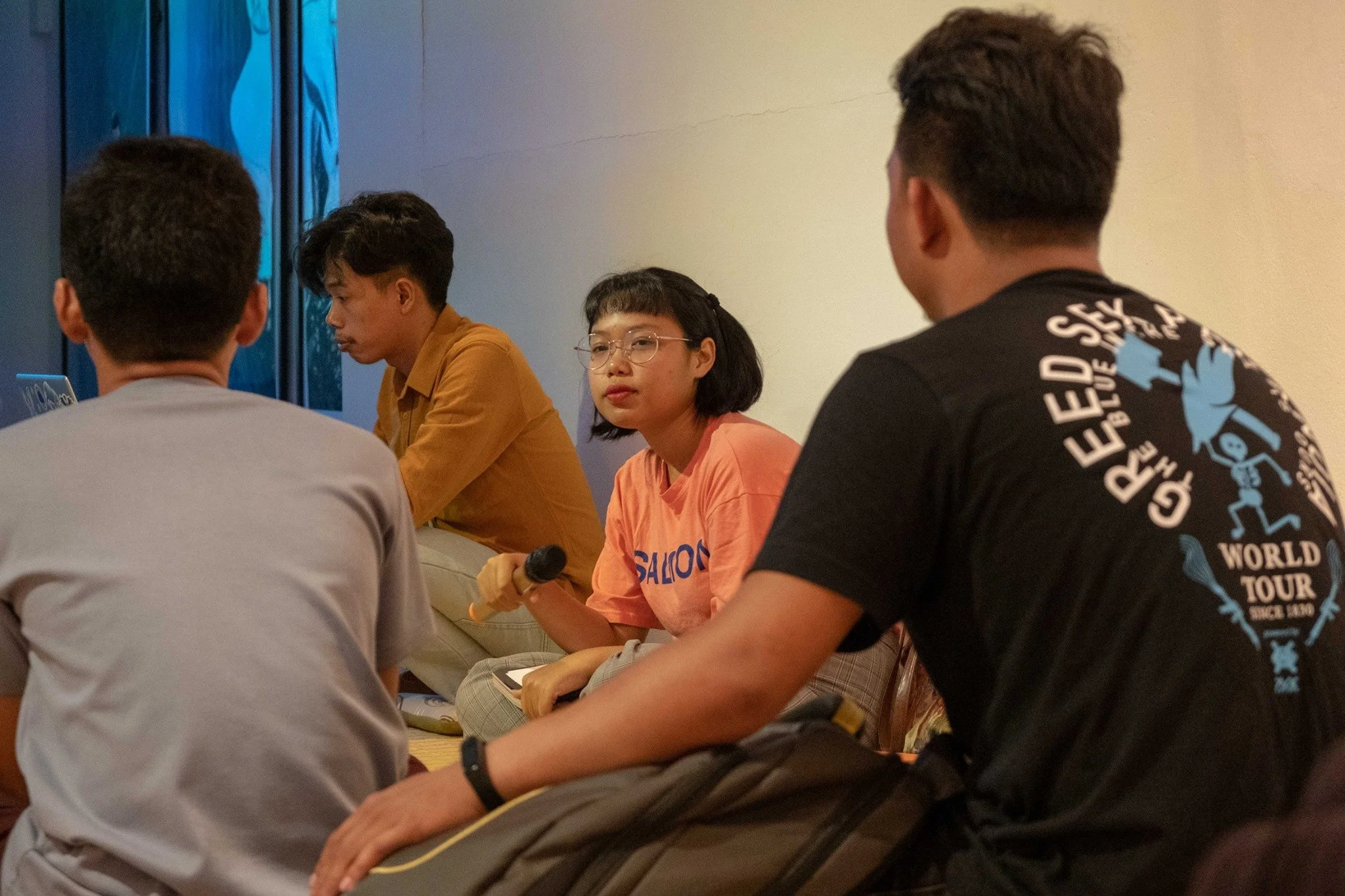
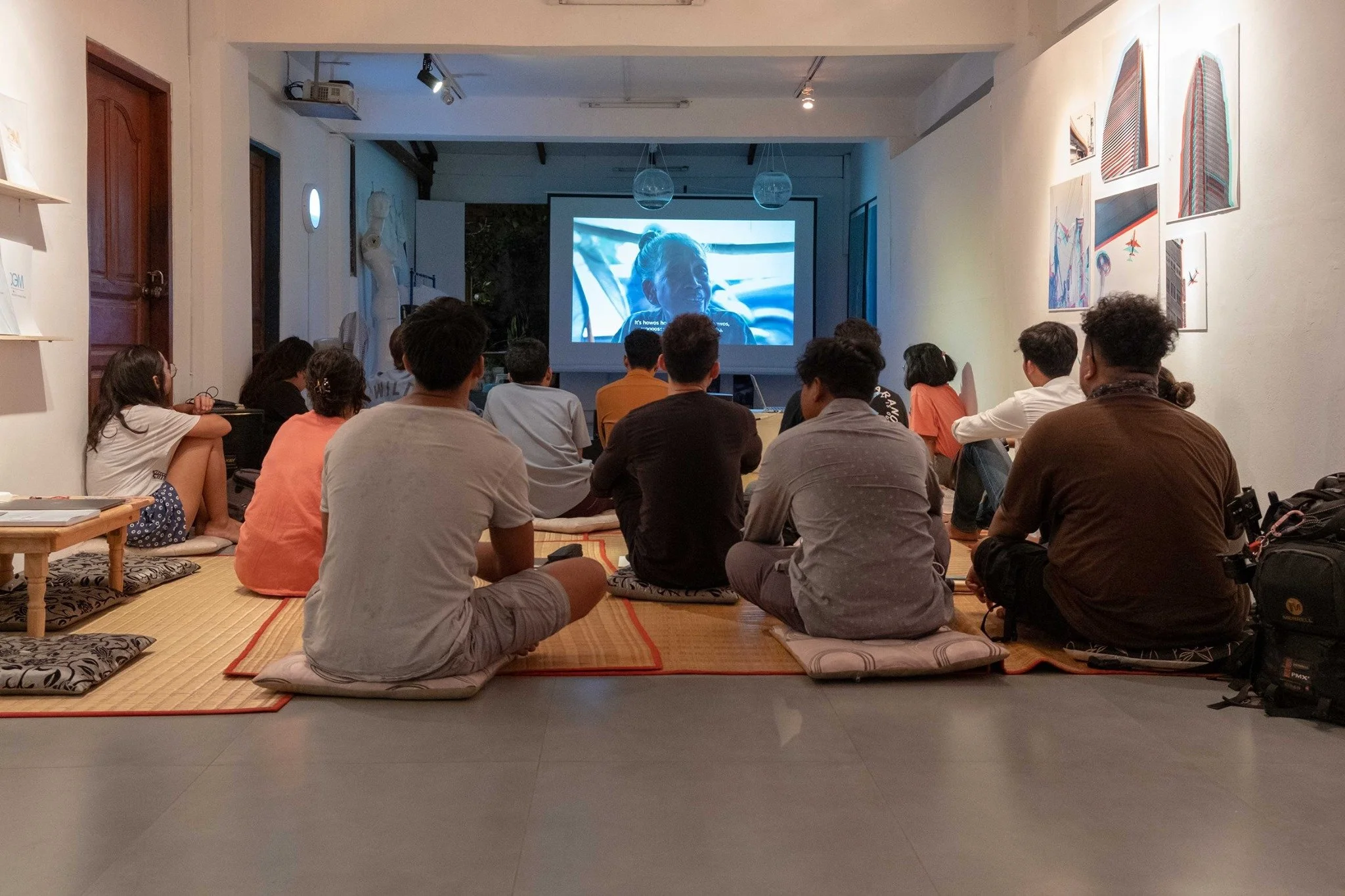
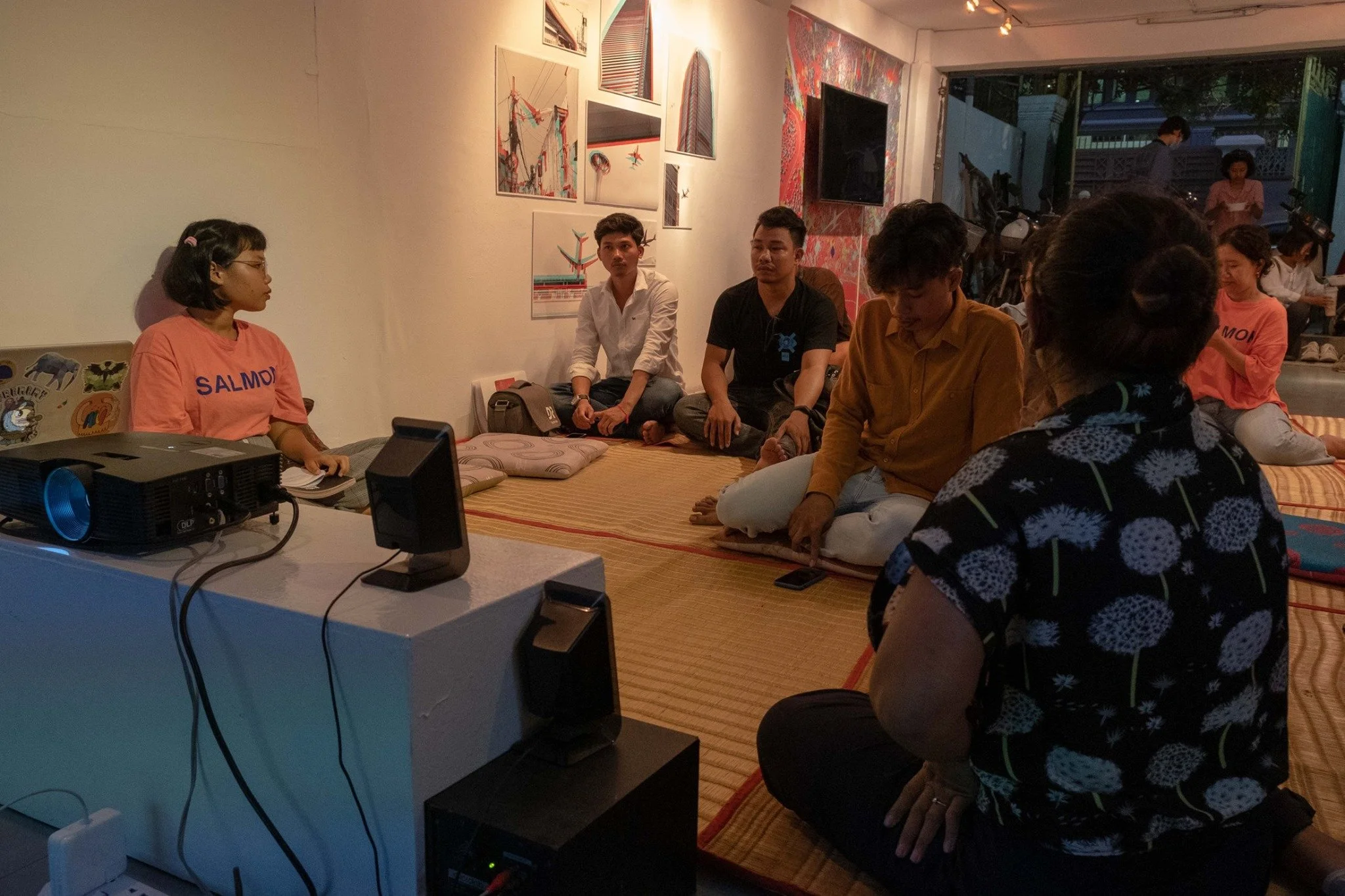
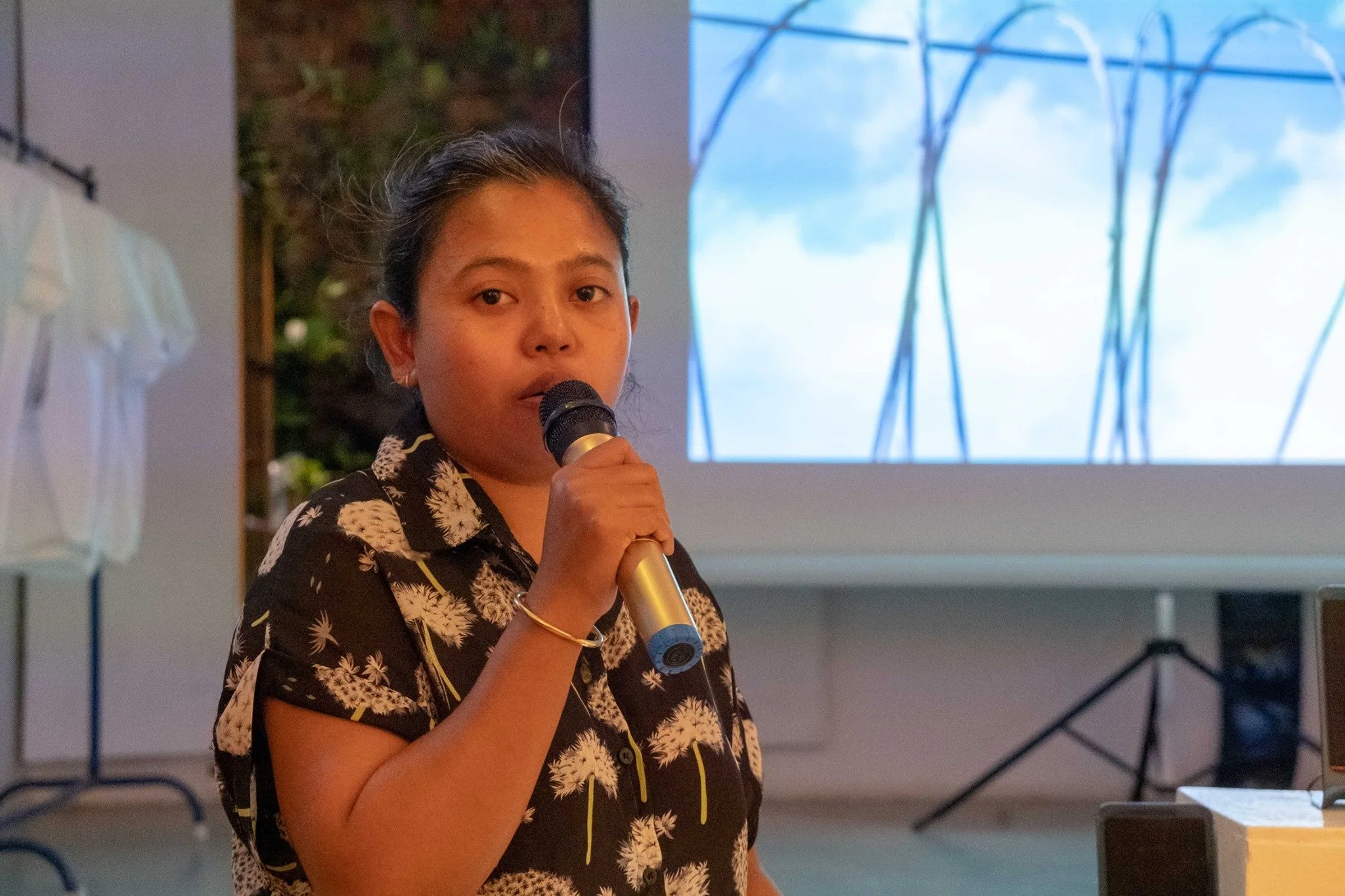
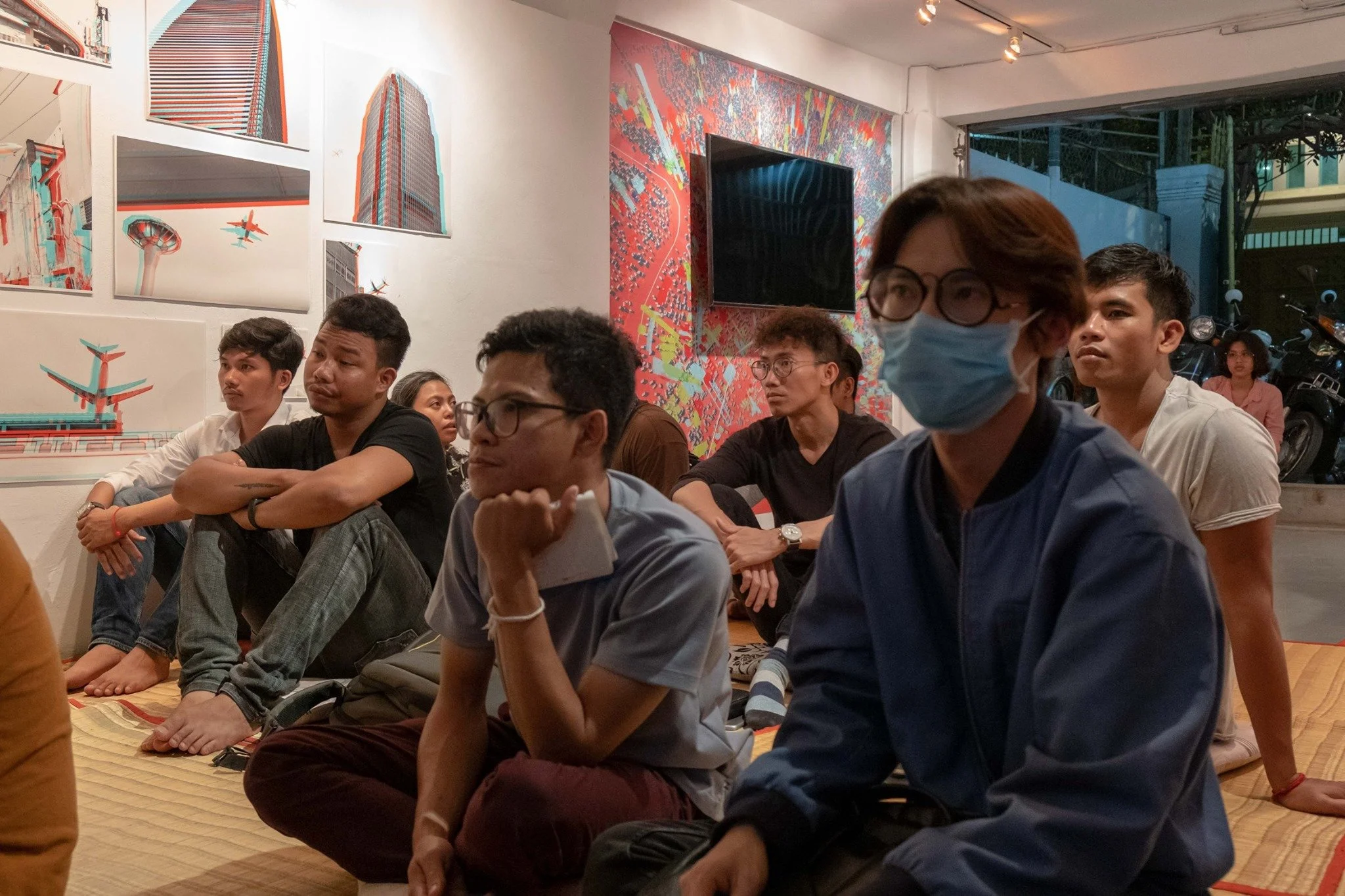
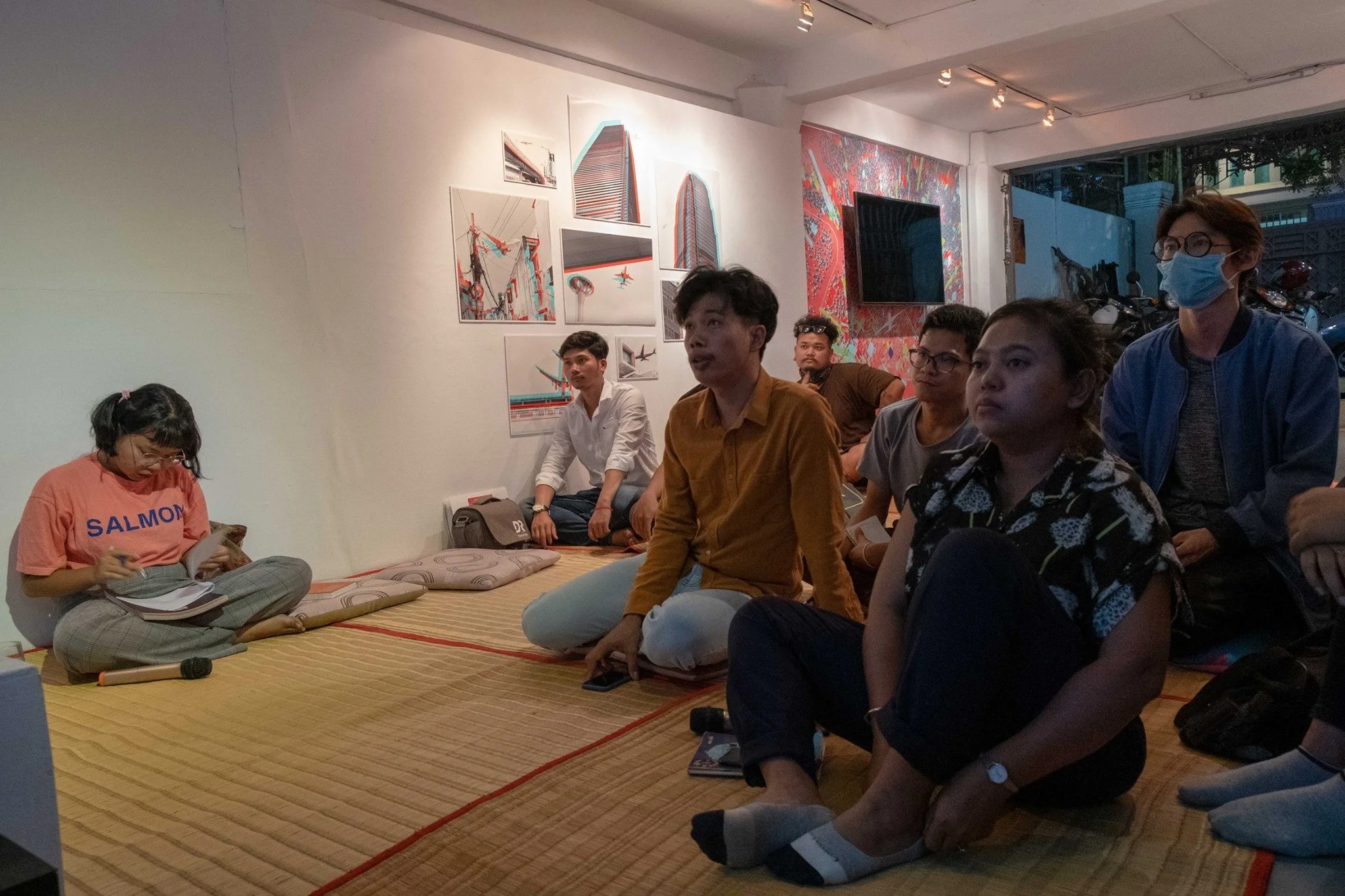
Screening “ Moro Moro and Cooking in Pressure” By Bakudapan Food Study Group
Friday, March 13, 2020, 6 PM
In English with Khmer translation
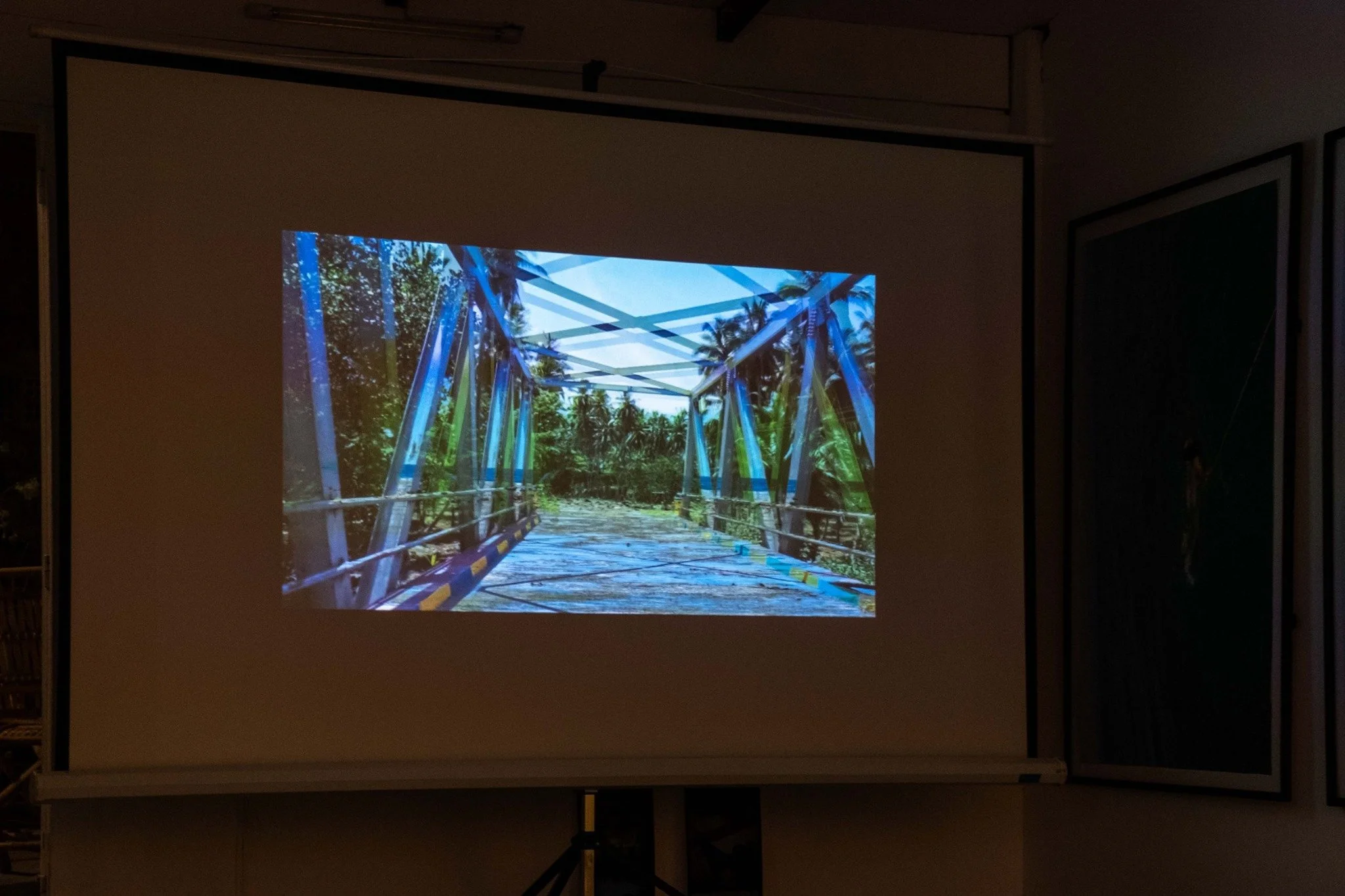
The Project “ Moro-Moro” was started with the questioning of the relation between Bangsa Moro in Mindanao (Southern Philippines) and Morotai (North Maluku). The relation between the two dates back to a more historical era where traces of contestation were found; between Island and Catholic that was also linked to imperialism and colonialism. There were frictions of power, invasion, migration, and culture contacts that is affecting the contemporary life of Morotai’s agriculture, food production and consumption. In this project, Bakudapan had use the ethnography method and feminist strategies in state to locate the inquiry into the larger discourse. This project also managed to resurface the contrast between the dominant geographies of a nation-state and the conditions of peripheral site. “ Moro-Moro” video consists as part of our commission exhibition for the Singapore Biennale 2019.
In 1965, there was tragedy of mass killing of Communist Party (PKI) members and people who were suspected as their symphisian in Indonesia. The massacres were related to the seizing of power in 1966 where Soeharto, who were the military lieutenant at the time, overthrew president Soehrto from the presidency. The documentary video aimed to reveal the overlooked history of former women, political prisoners of 1965-66 who became the survivors of the tragedy. This video is also a way in exploring the politics of food and agricultural policies that were implemented during the Soeharto regime in Indonesia, by using the lens of survival food around the prisoner camp sit. Through this video, we intended to investigate undisclosed history through the perspective of ex-political prisoners, particularly the women prisoners as their narrations are overlooked and seen as minor.
About BAKUDAPAN
Bakudapan is a study group that discuss ideas on food and everything it relates to. We believe that food is not merely an activity of filling the stomach, nor is it restricted to the activity of cooking. Food can be an instrument to speak about broader issue, such as politic, social, gender, economy, philosophy, art, and culture. The main scheme in our projects are to do cross reference and research on food, which overlaps between art, ethnography, research method and practice. In doing research, we are interested in exploring and experimenting methods and forms, form art (performance, artist setting, exhibition, etc) to daily life practices (cooking, gardening, reading, etc.). As a reflective process, we like to hold participatory workshops, discussion, and reading activity with people of the same interest. We are also committed to publish a journal in every projects, as a mission to generate and share knowledge.
Eliesta Handitya (B.1998) is a member of Bakudapan Food Study Group. She is currently studying at Gadjah Mada University, majoring in Cultural Anthropology Department. While studying Anthropology, she is working as a part-time write and researcher, mostly focus on gender issues, politics, and the relation between art and society.