
Mchas Teuk Mchas Dei (Master of Lands and Waters)
By Khvay Samnang, Lim Sokchanlina, Vuth Lyno
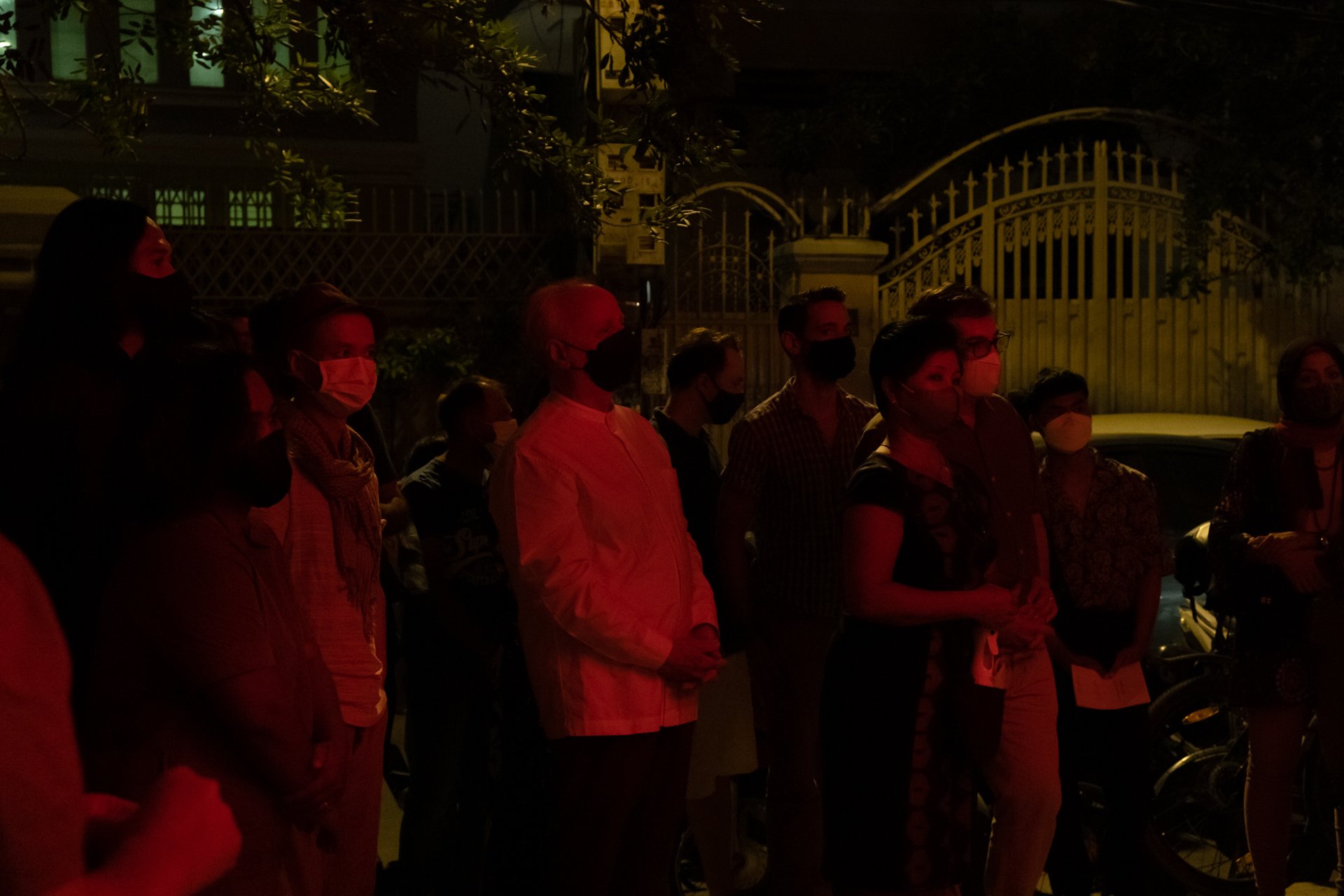
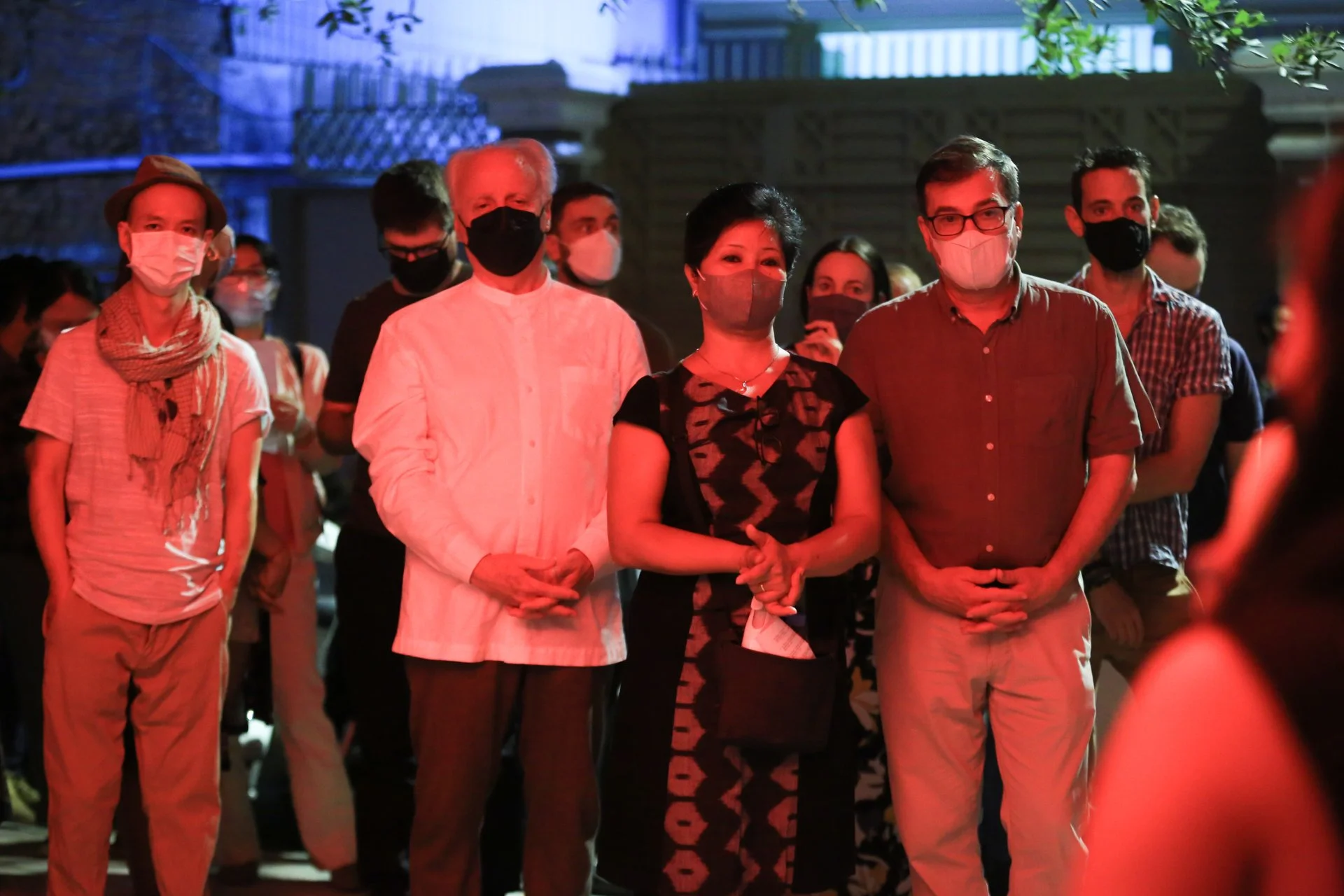
Opening: Saturday, 15 January 2022, 6 pm
Exhibition period: 15 January - 31 March 2022
In English with Khmer translation
Sa Sa Art Projects
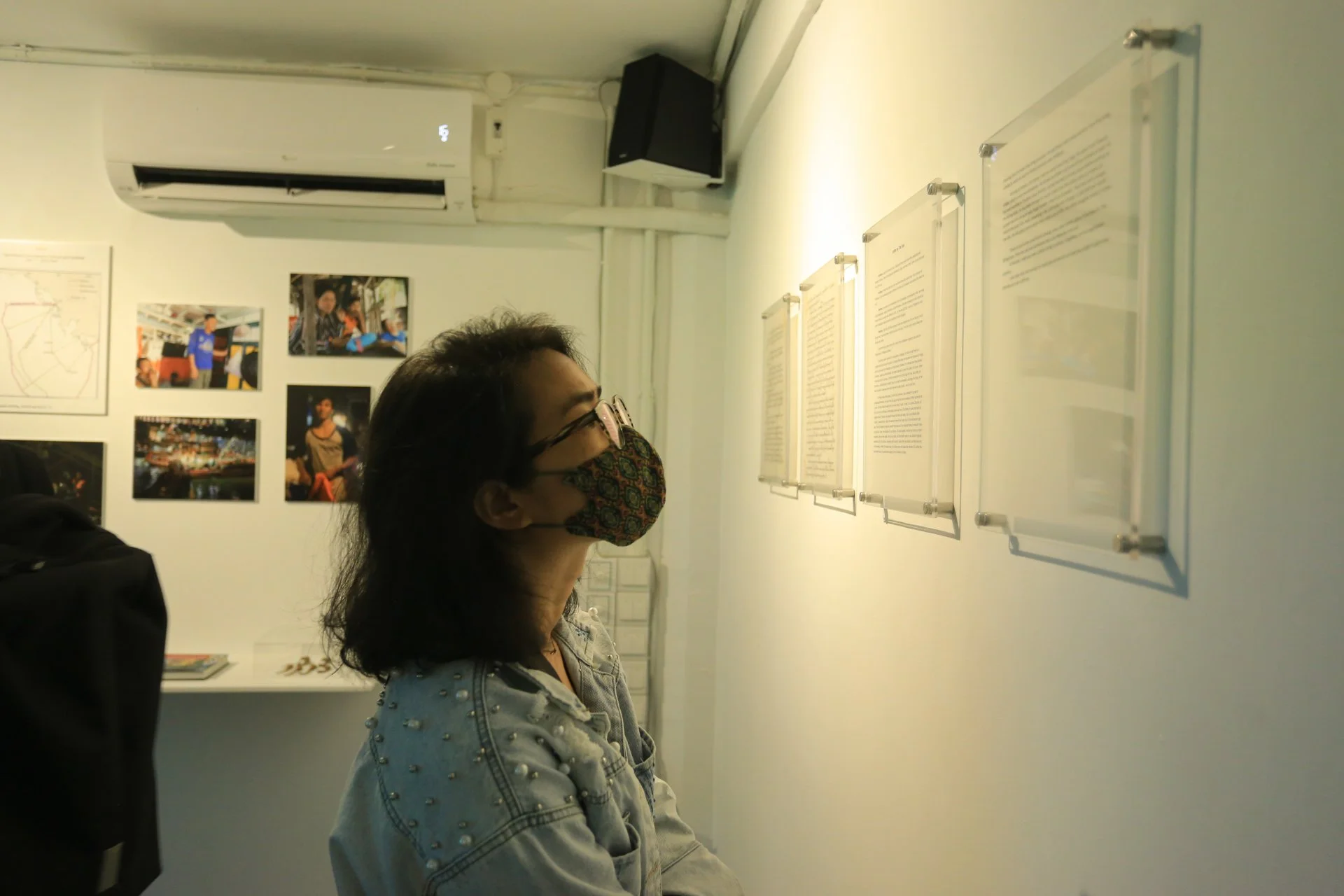
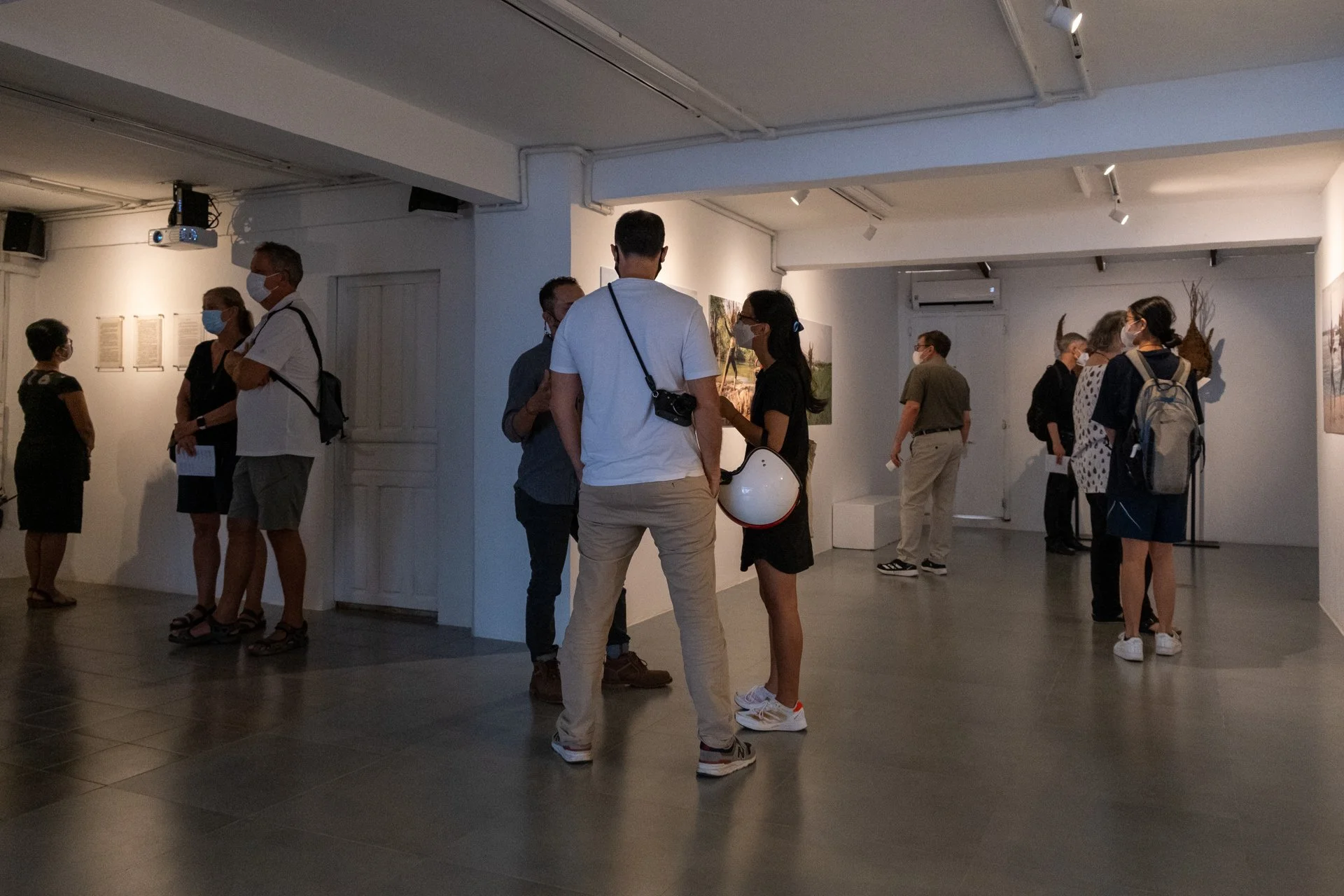
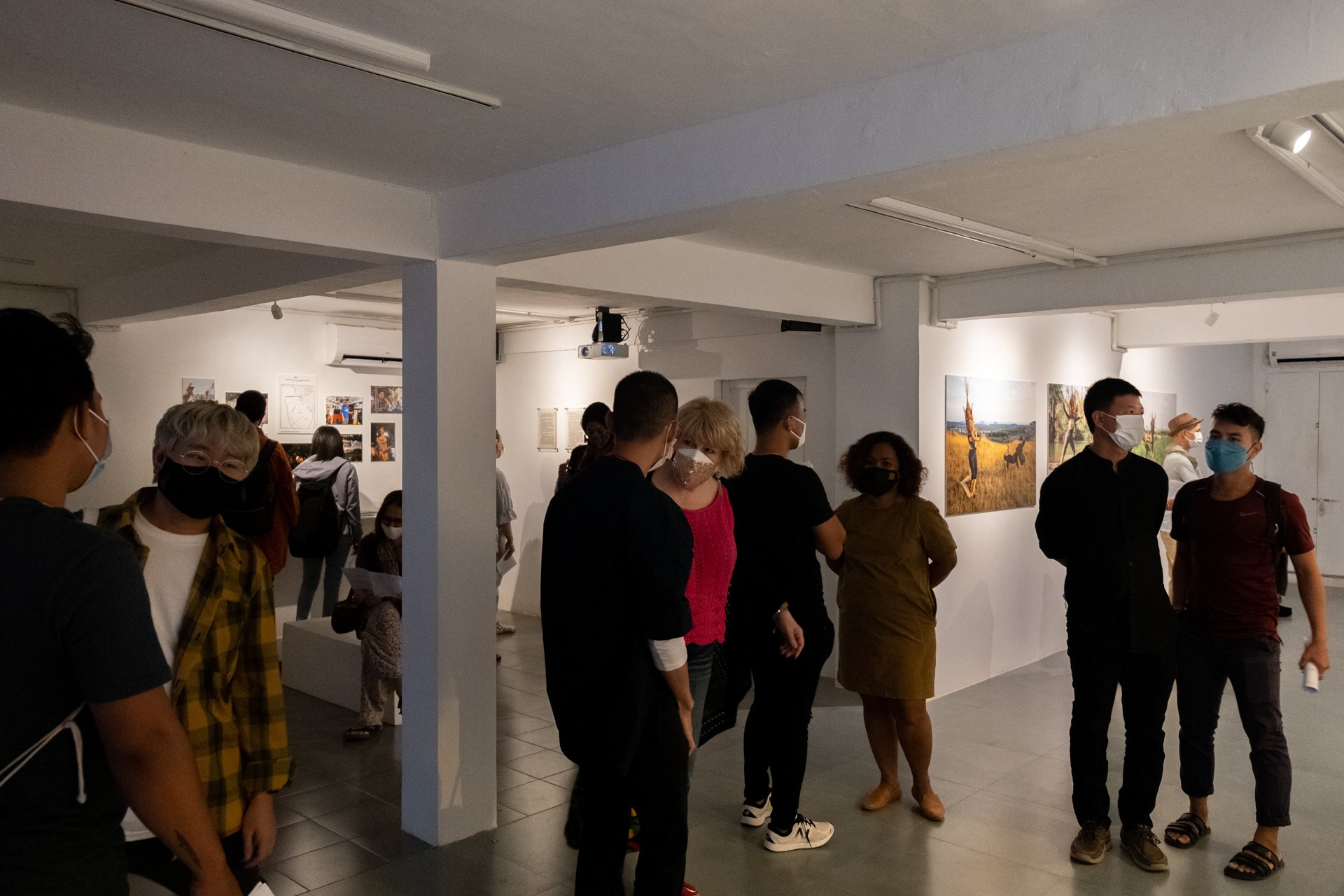
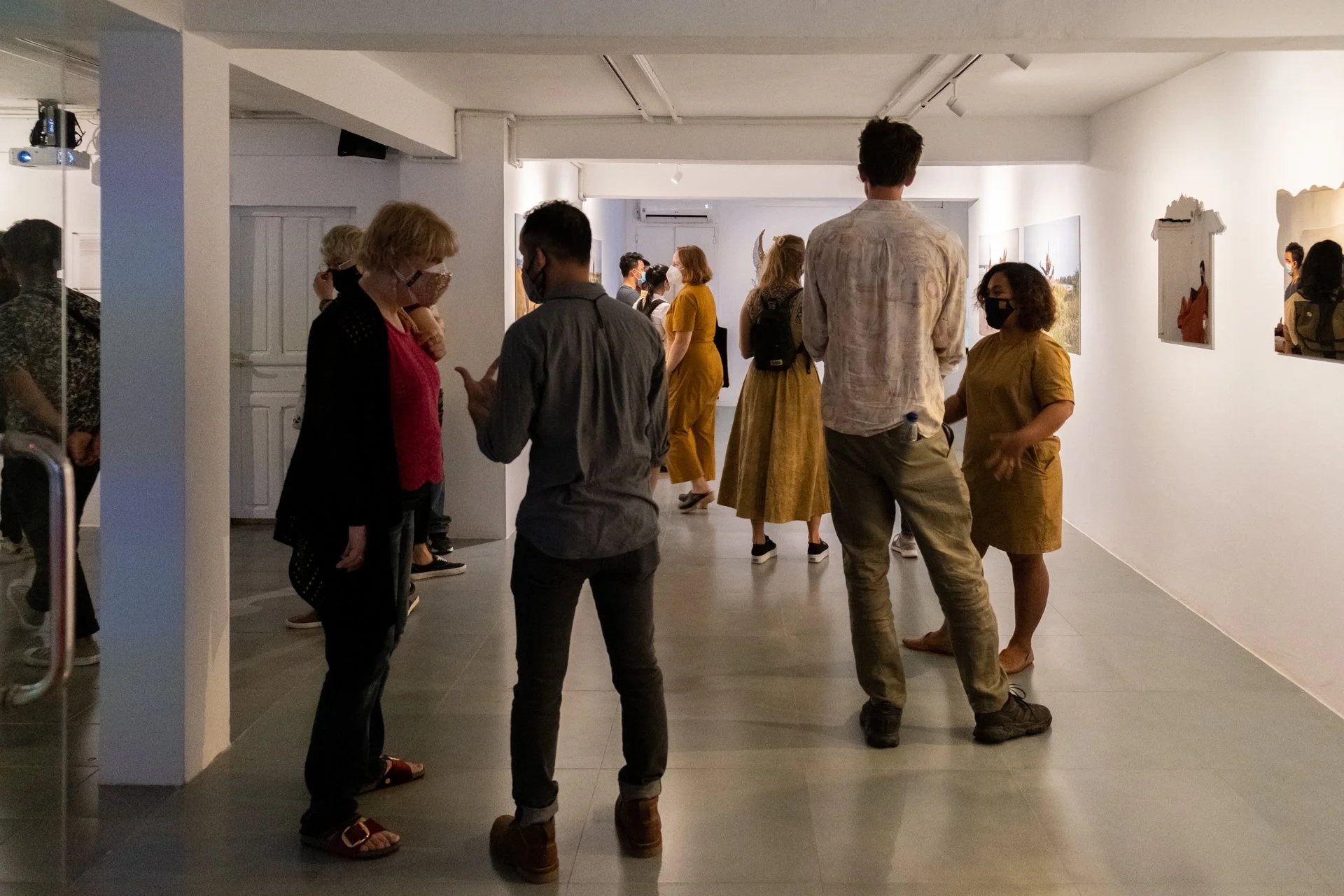
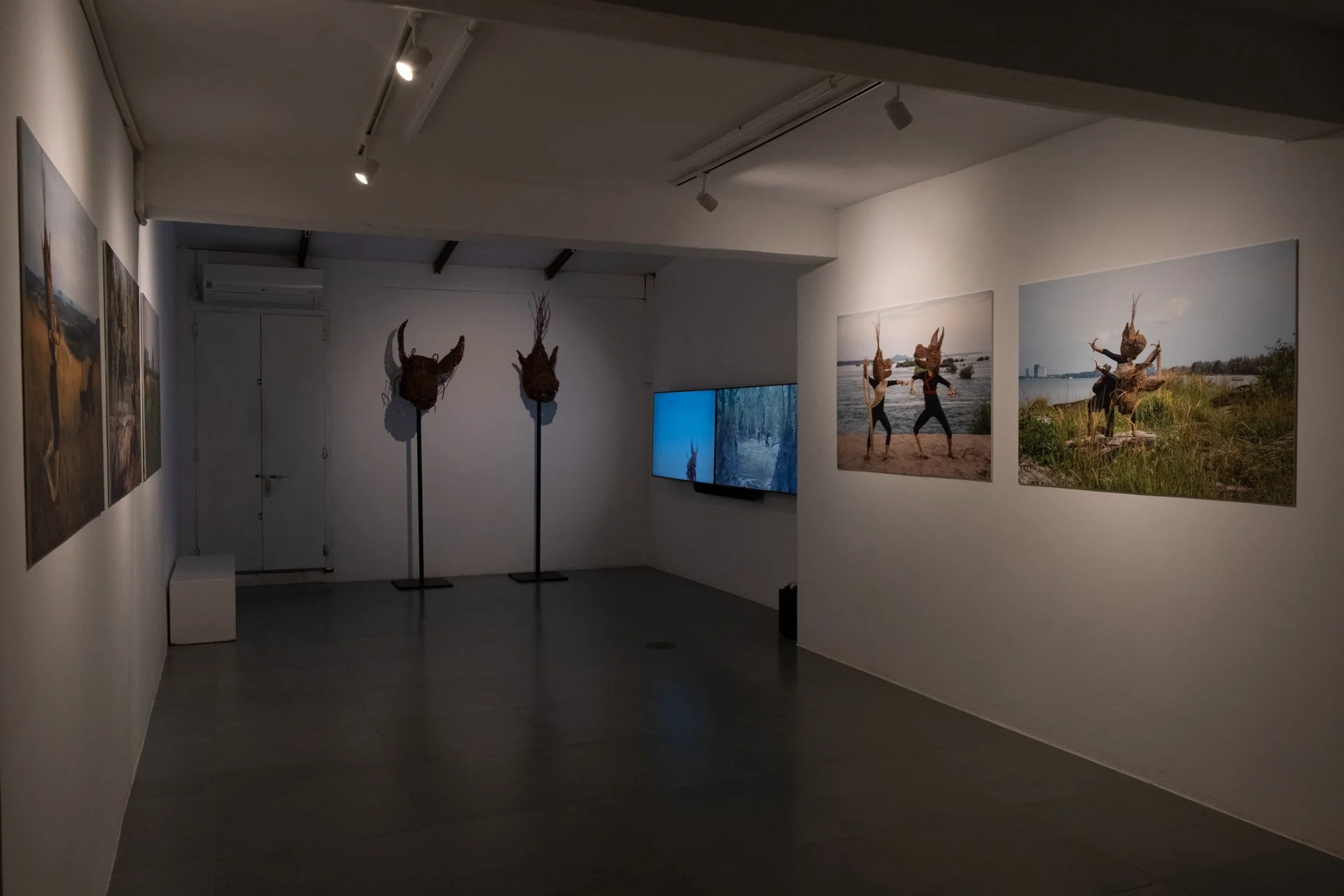
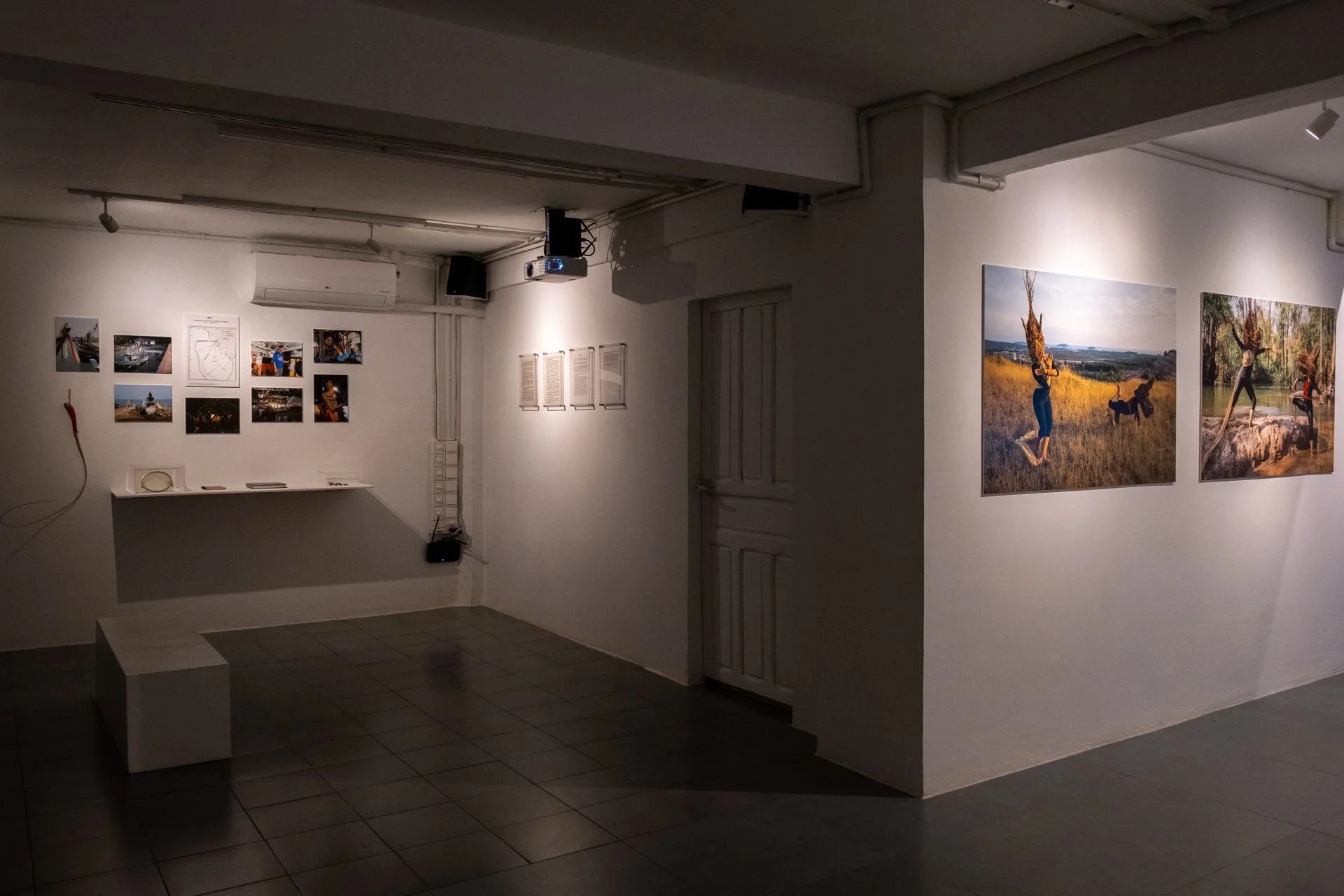
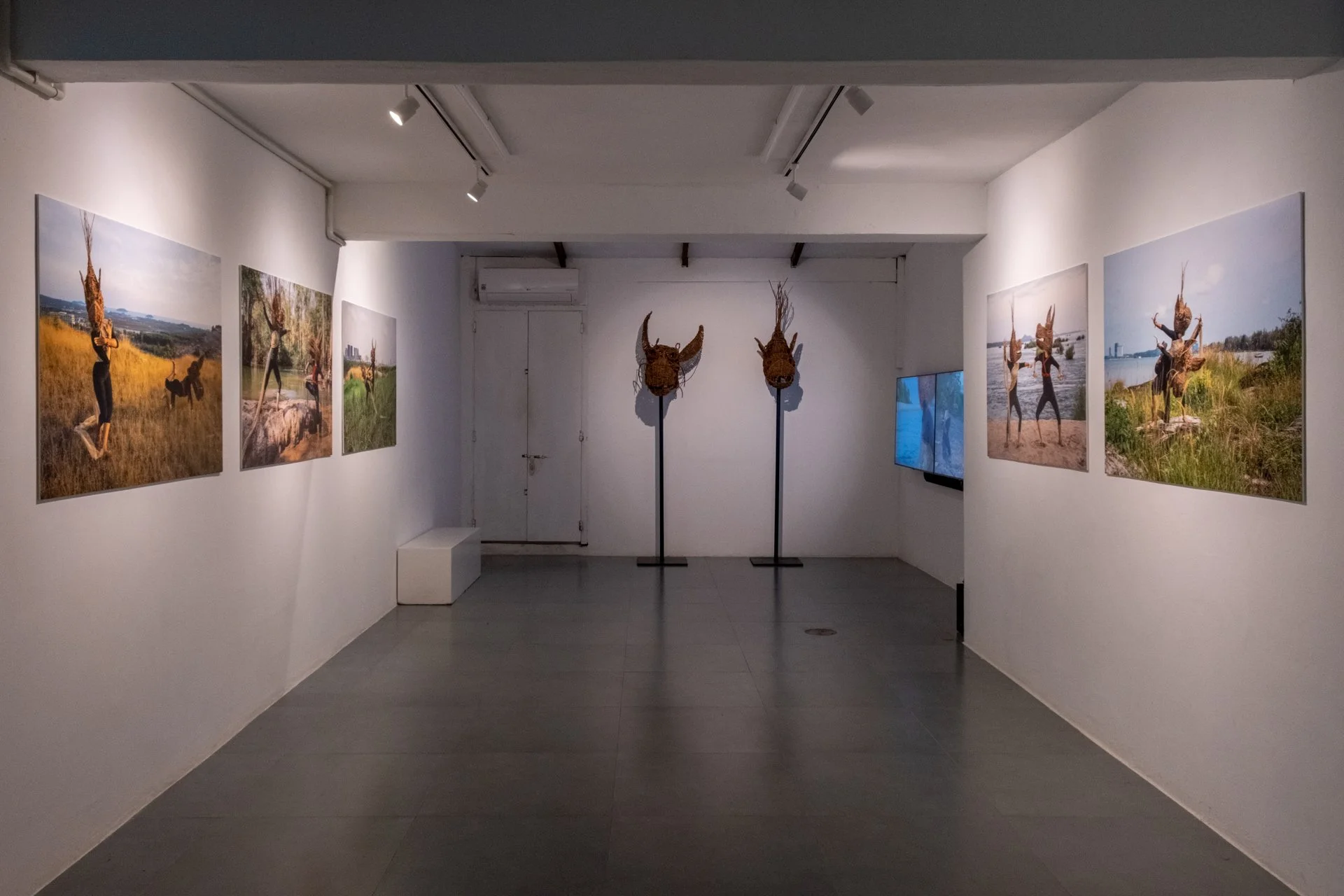
Mchas Teuk Mchas Dei (Master of Lands and Waters) is a group exhibition by Cambodian arts collective Stiev Selapak: Khvay Samnang, Lim Sokchanlina, and Vuth Lyno, who present their artworks together for the first time at Sa Sa Art Projects. The exhibition introduces their recent works in the form of videos, sculptures, photographs, and light installation, focusing on beliefs in nature and practices in the supernatural, animism, and the powerful spirits that take care of our homes, lands, people, animals, and living beings.
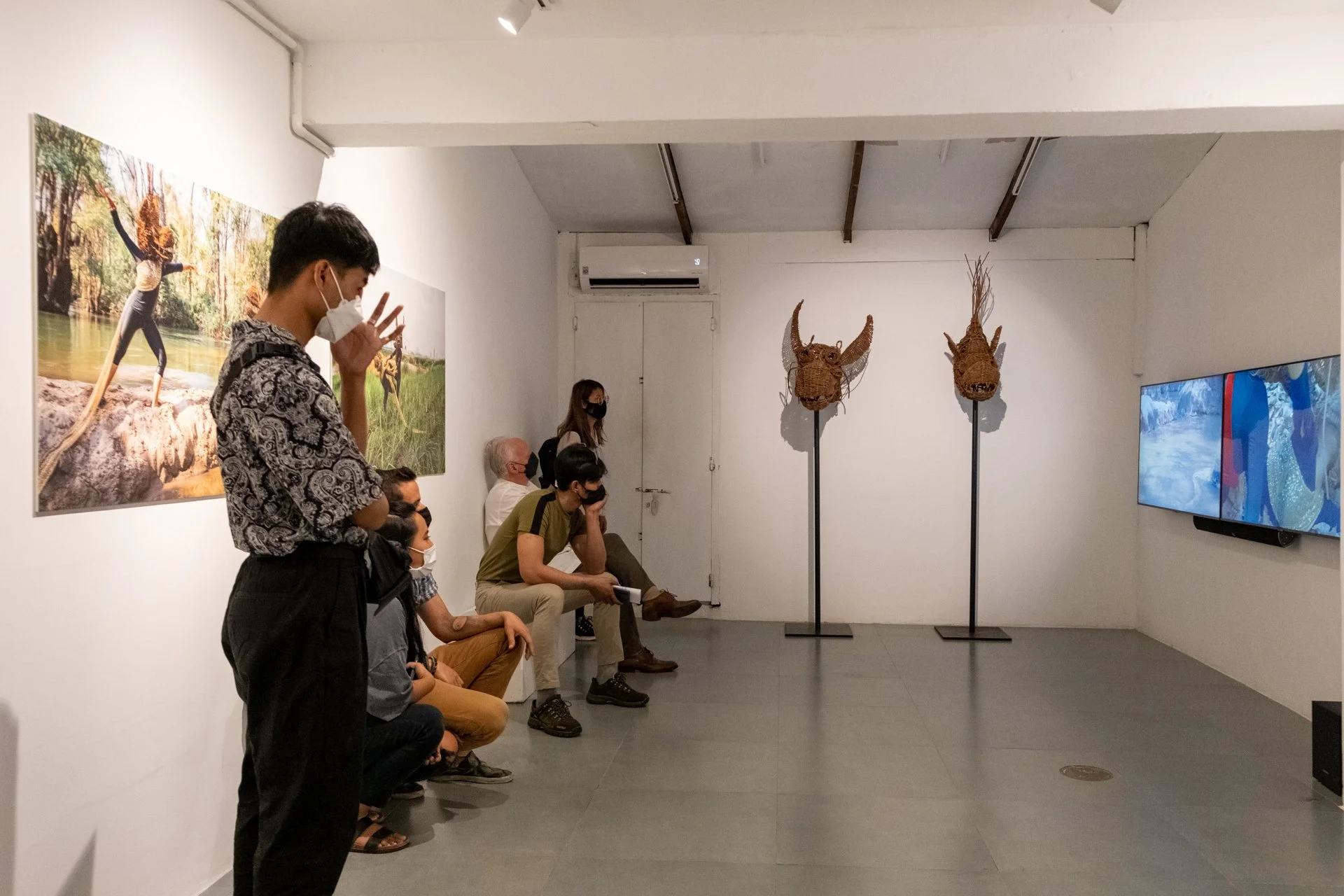
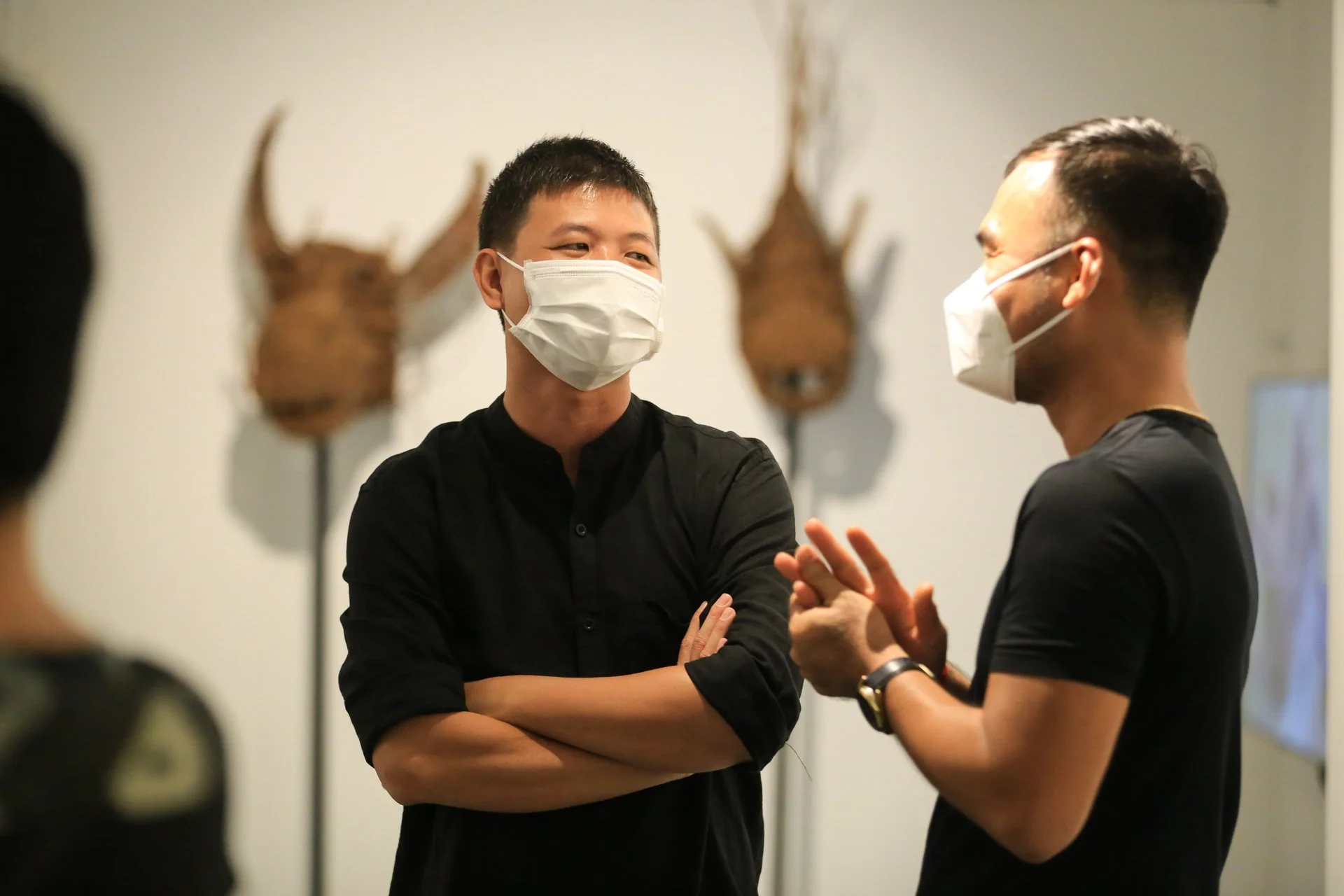
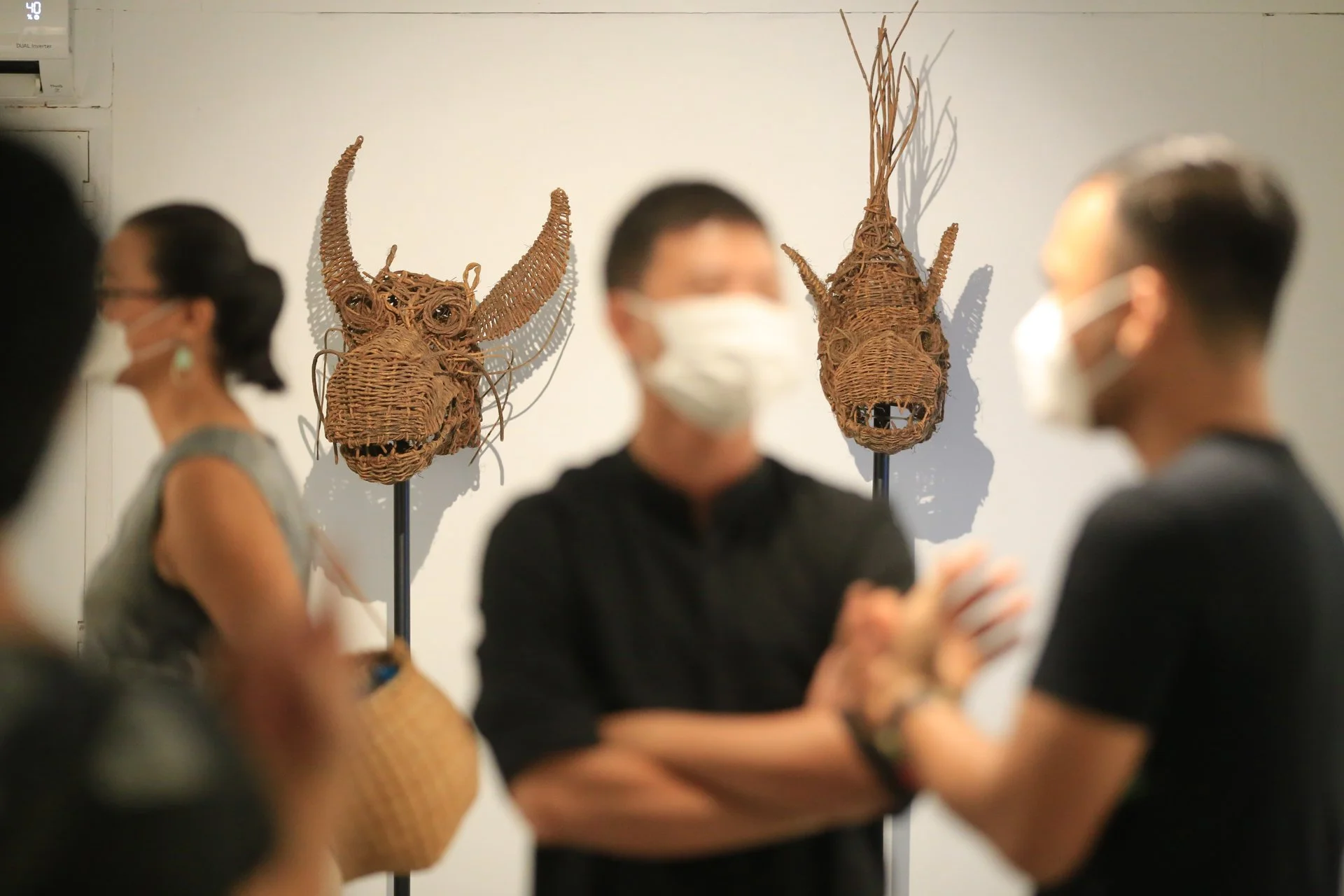
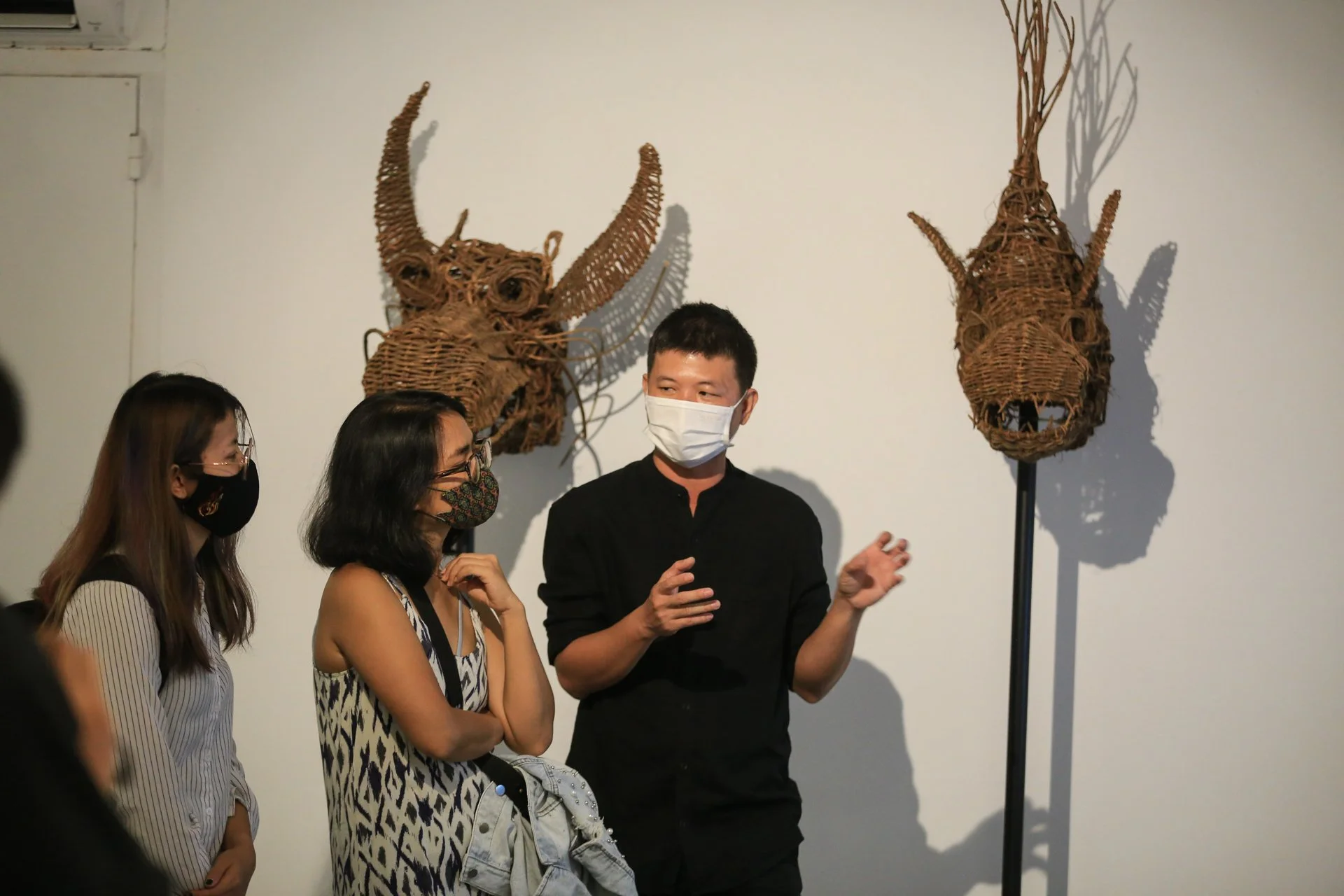
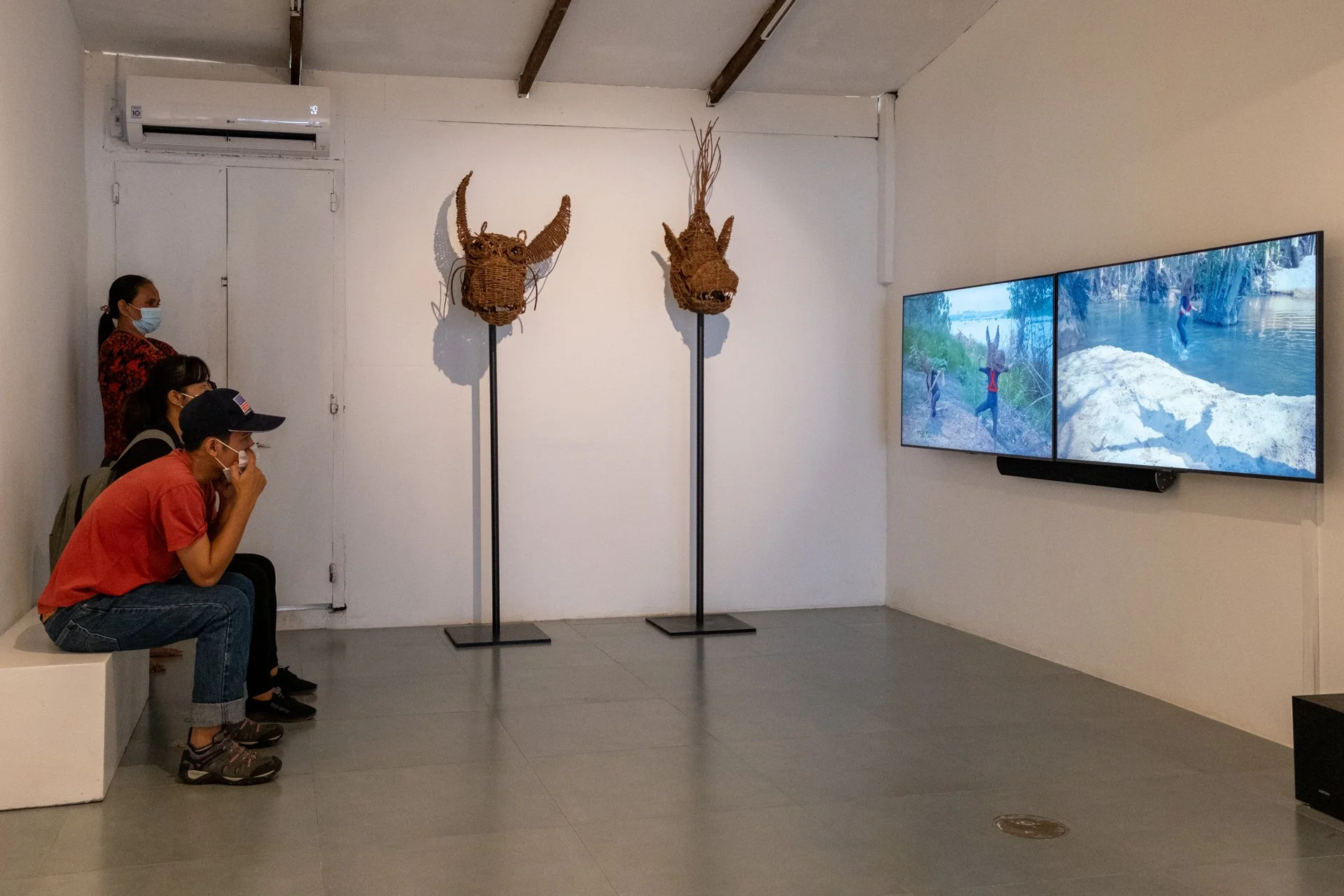
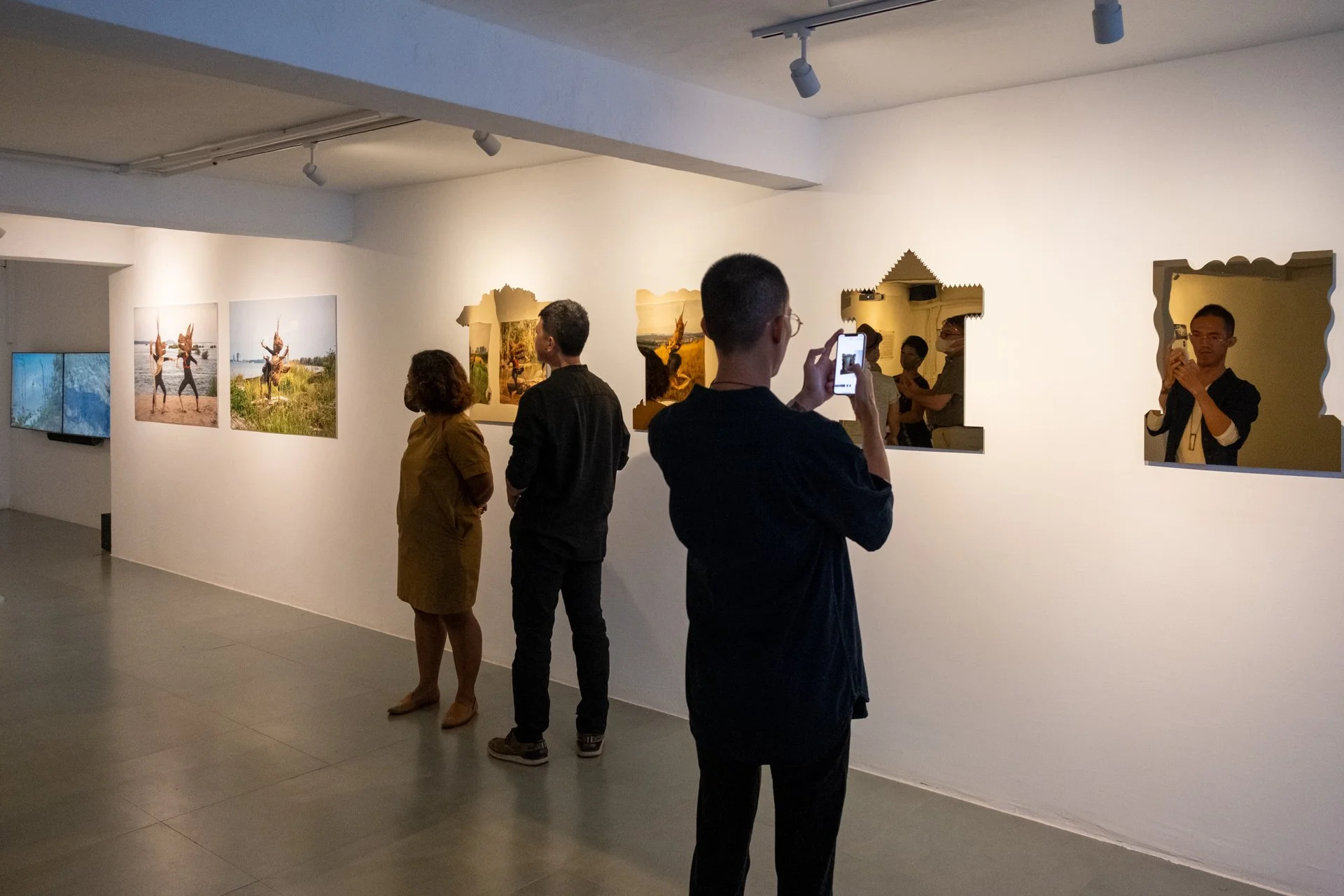
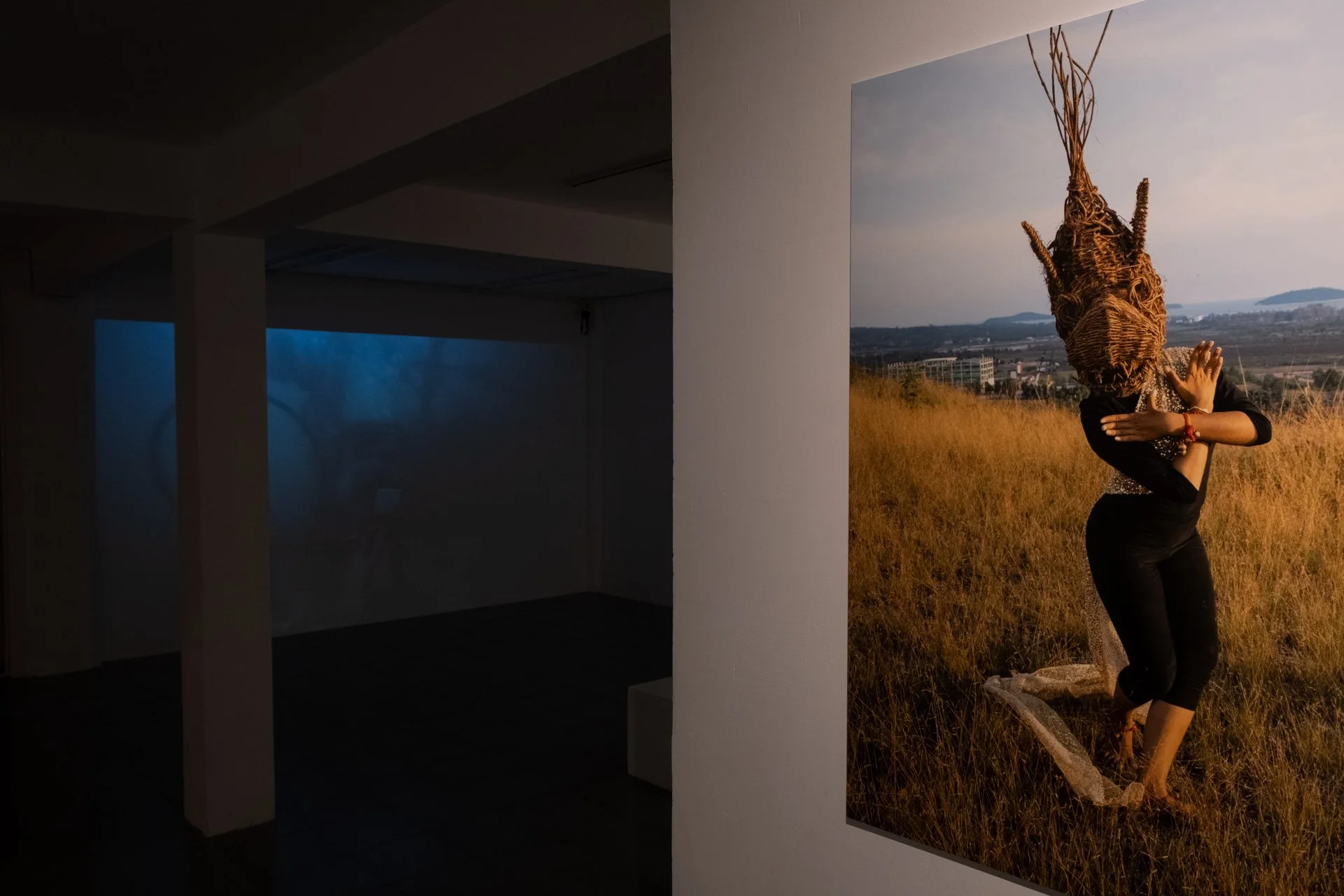
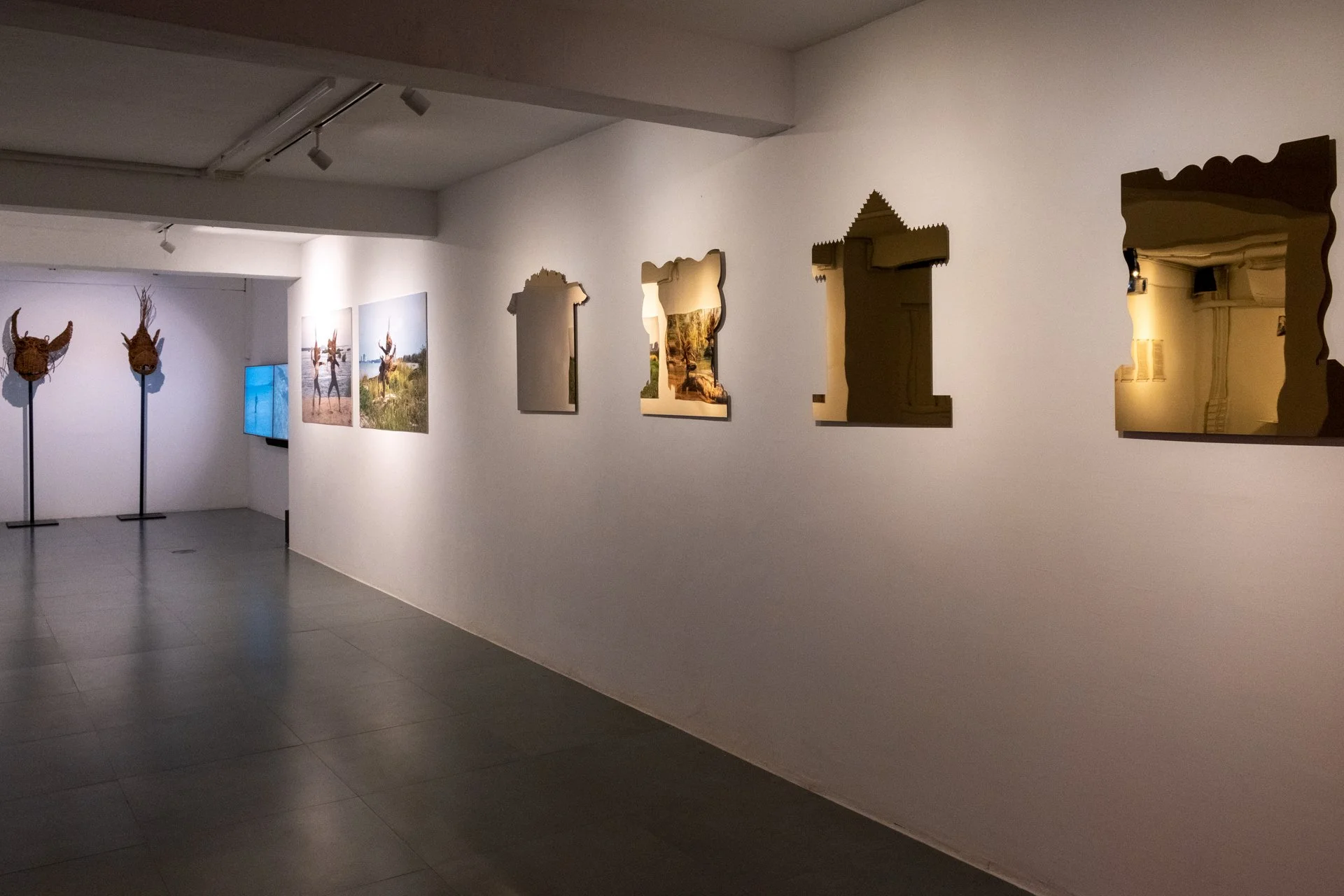
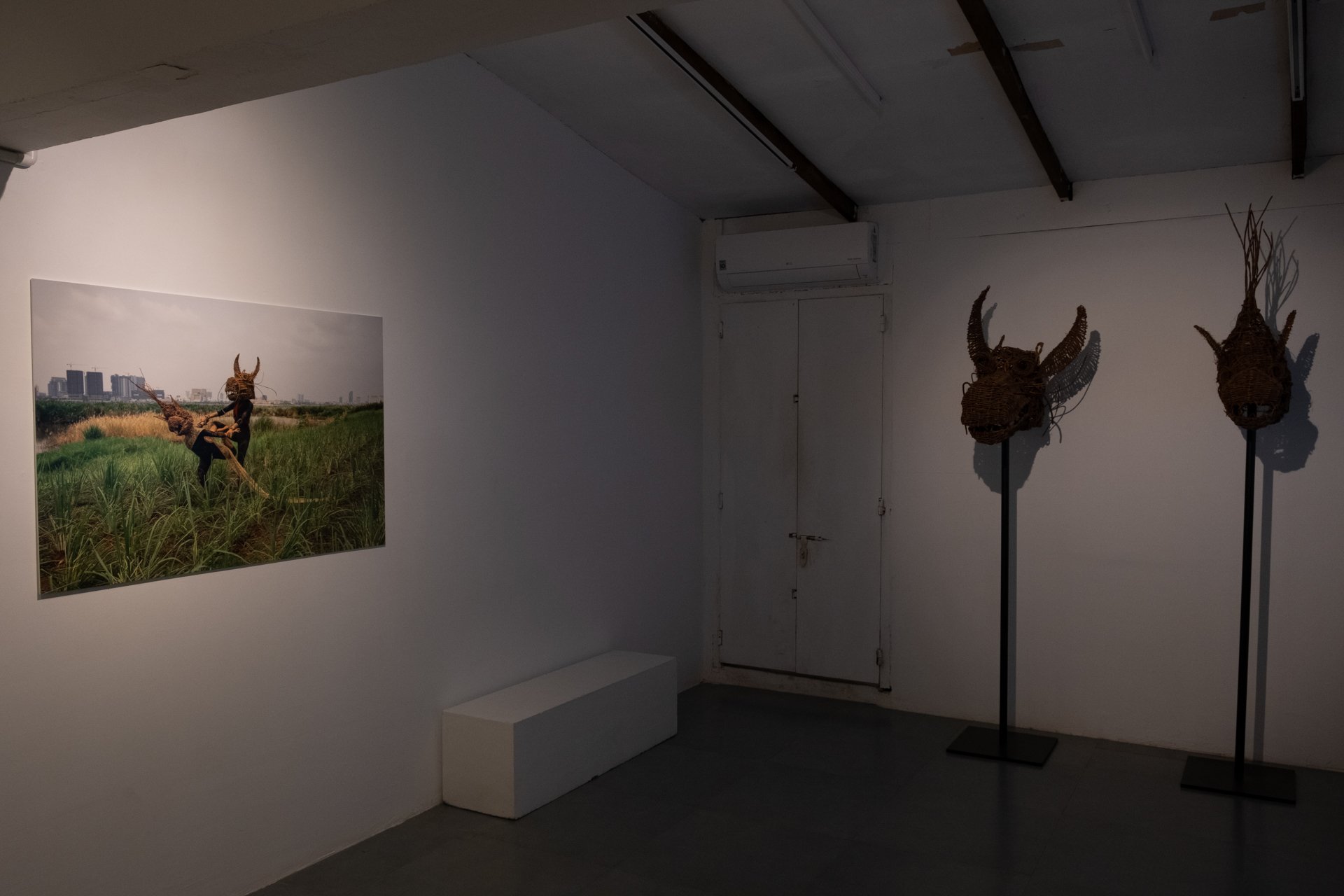
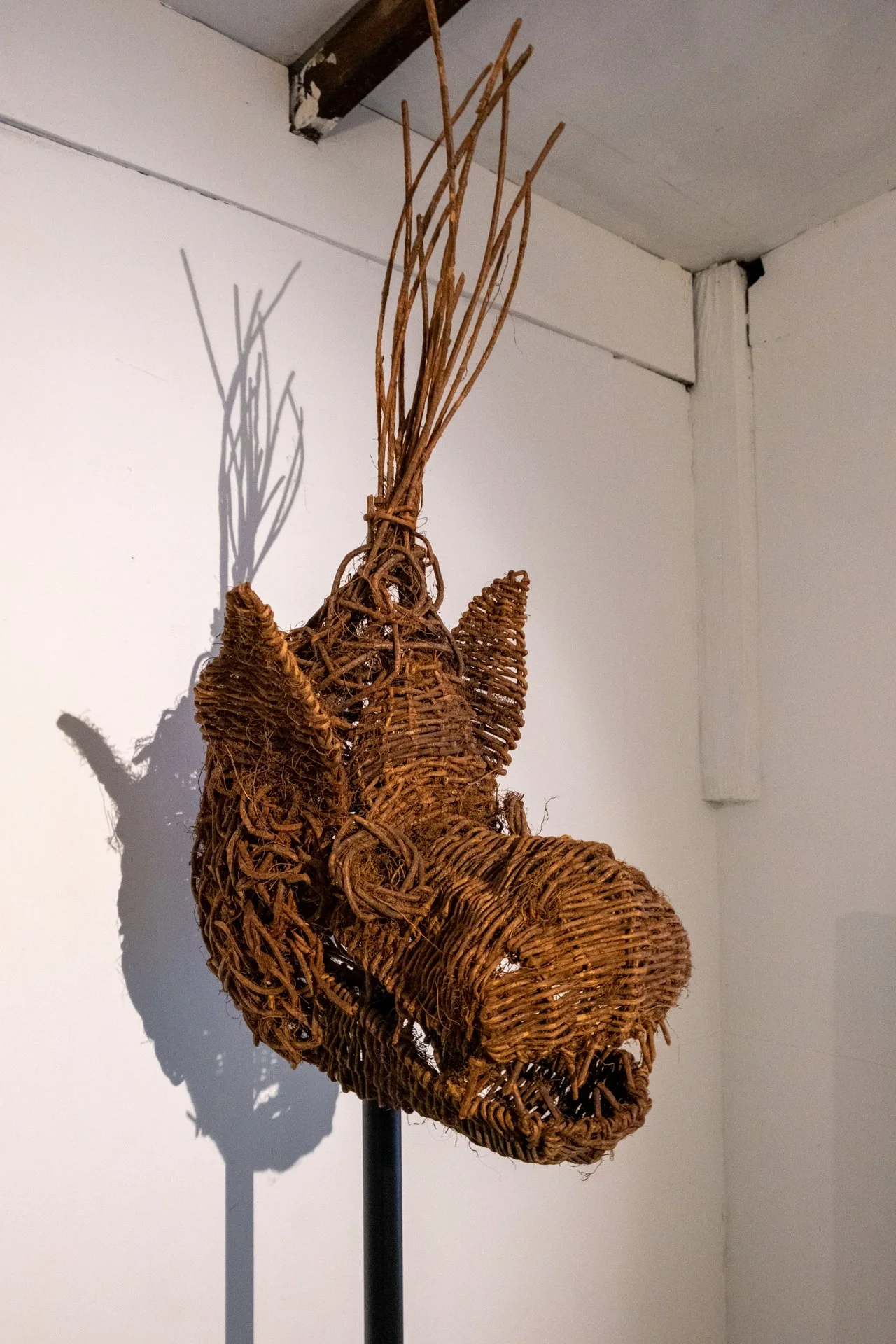
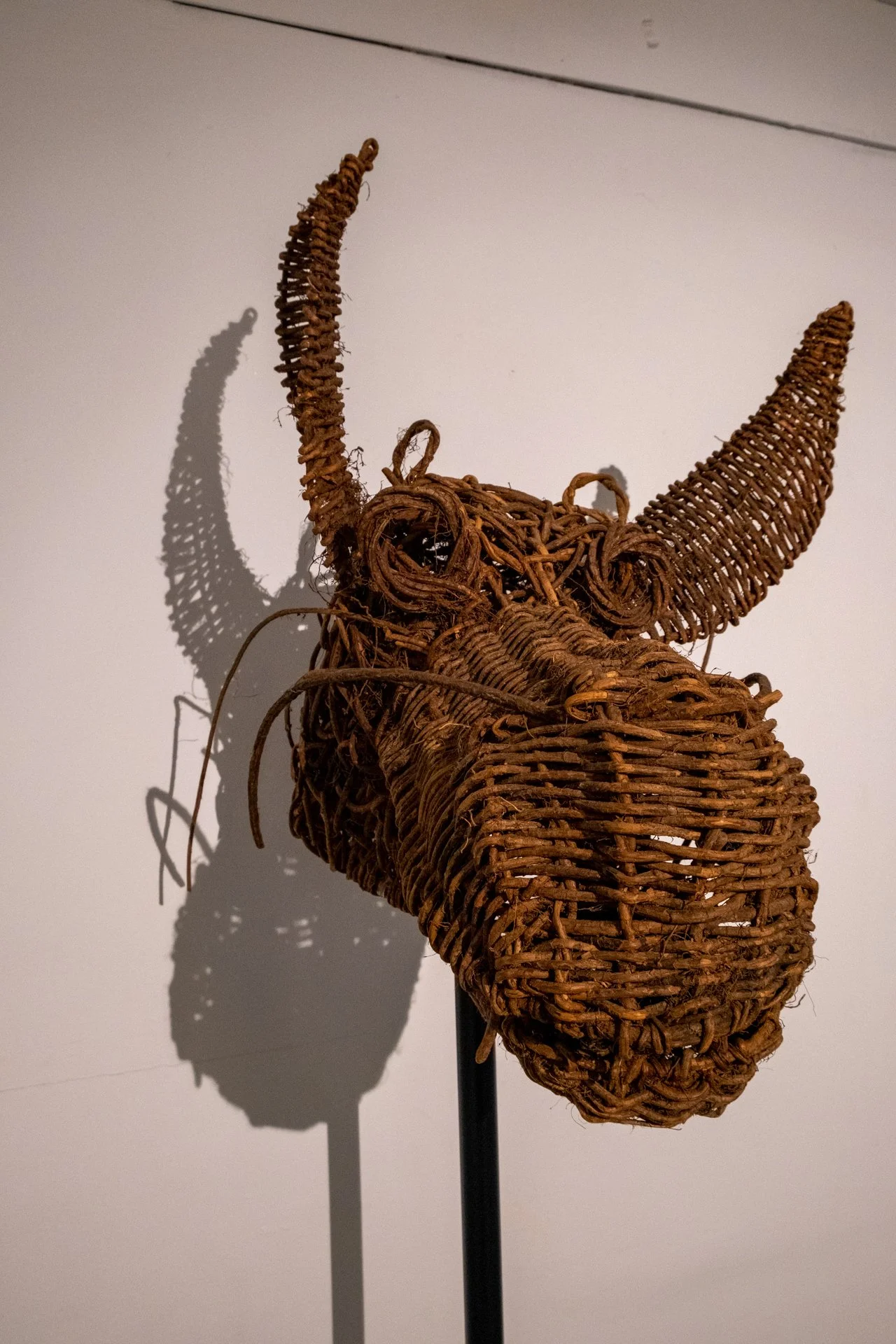
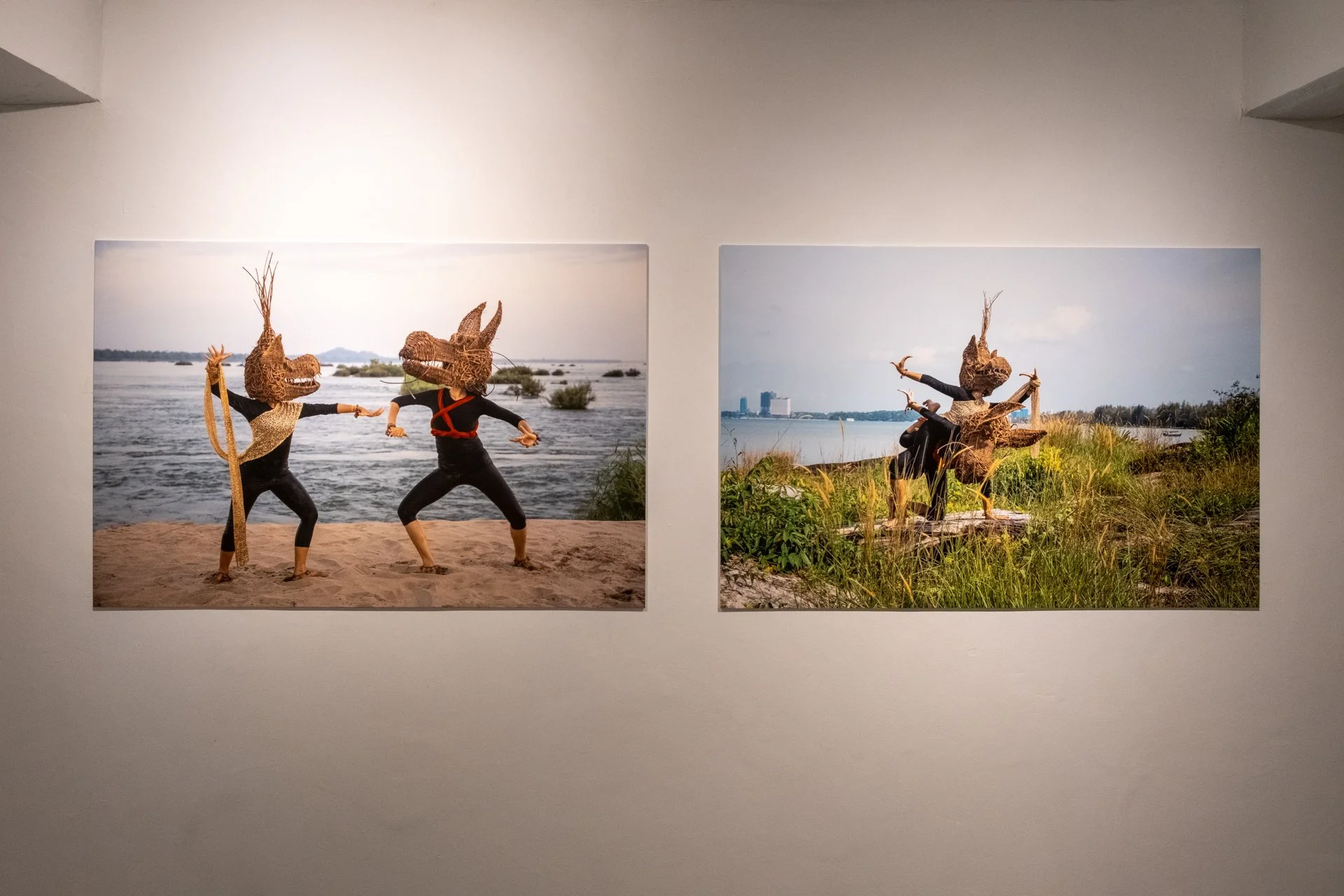
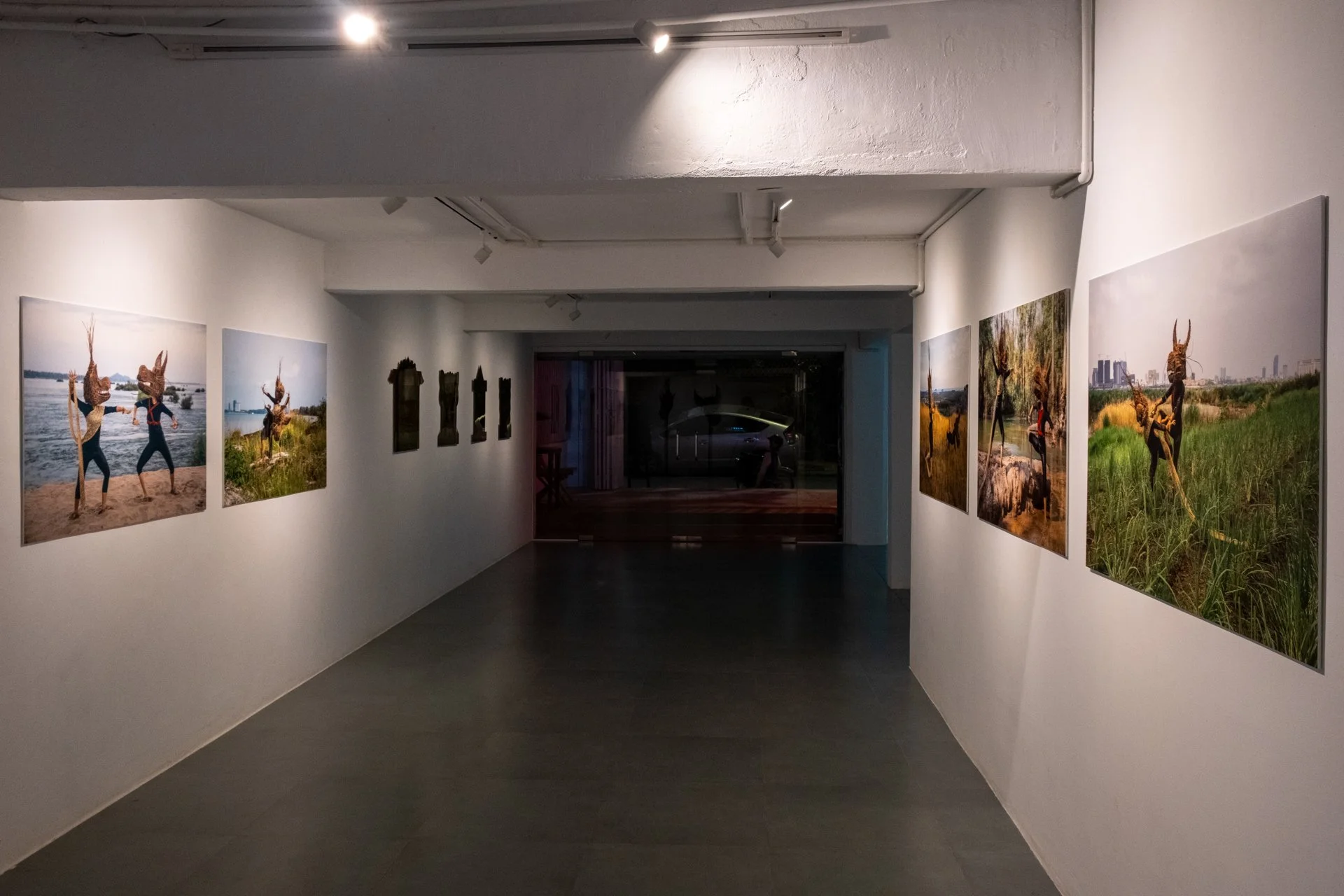
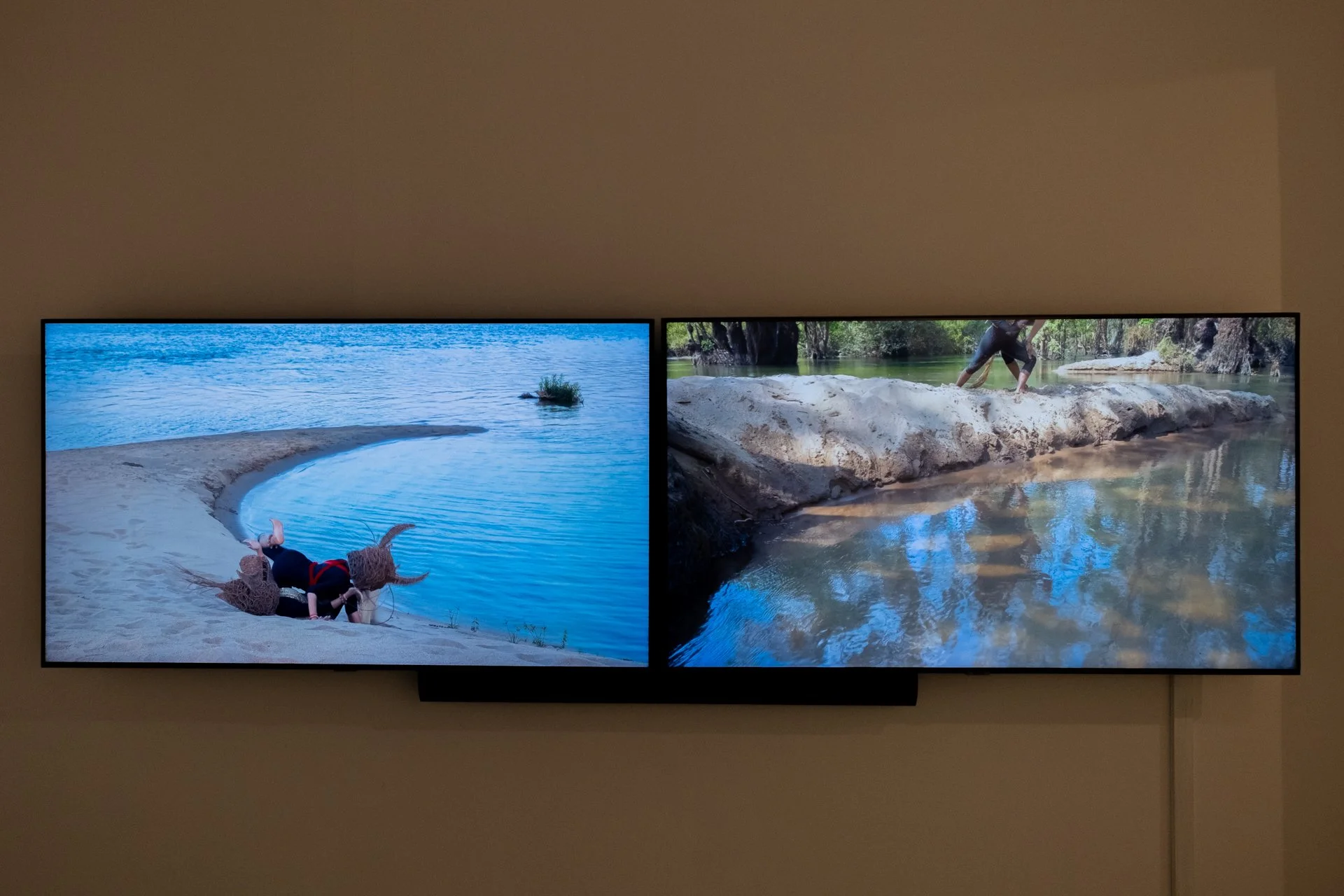
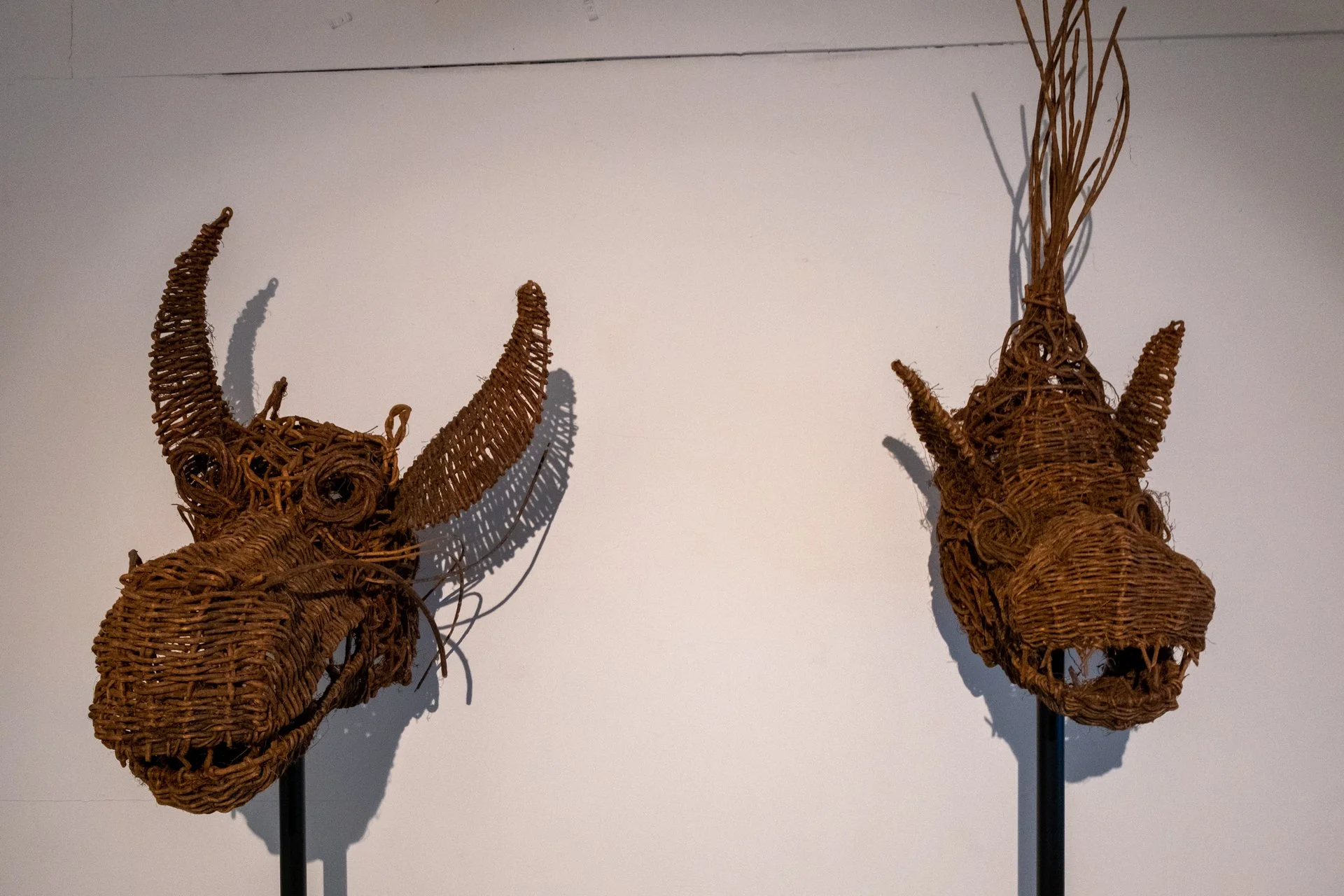
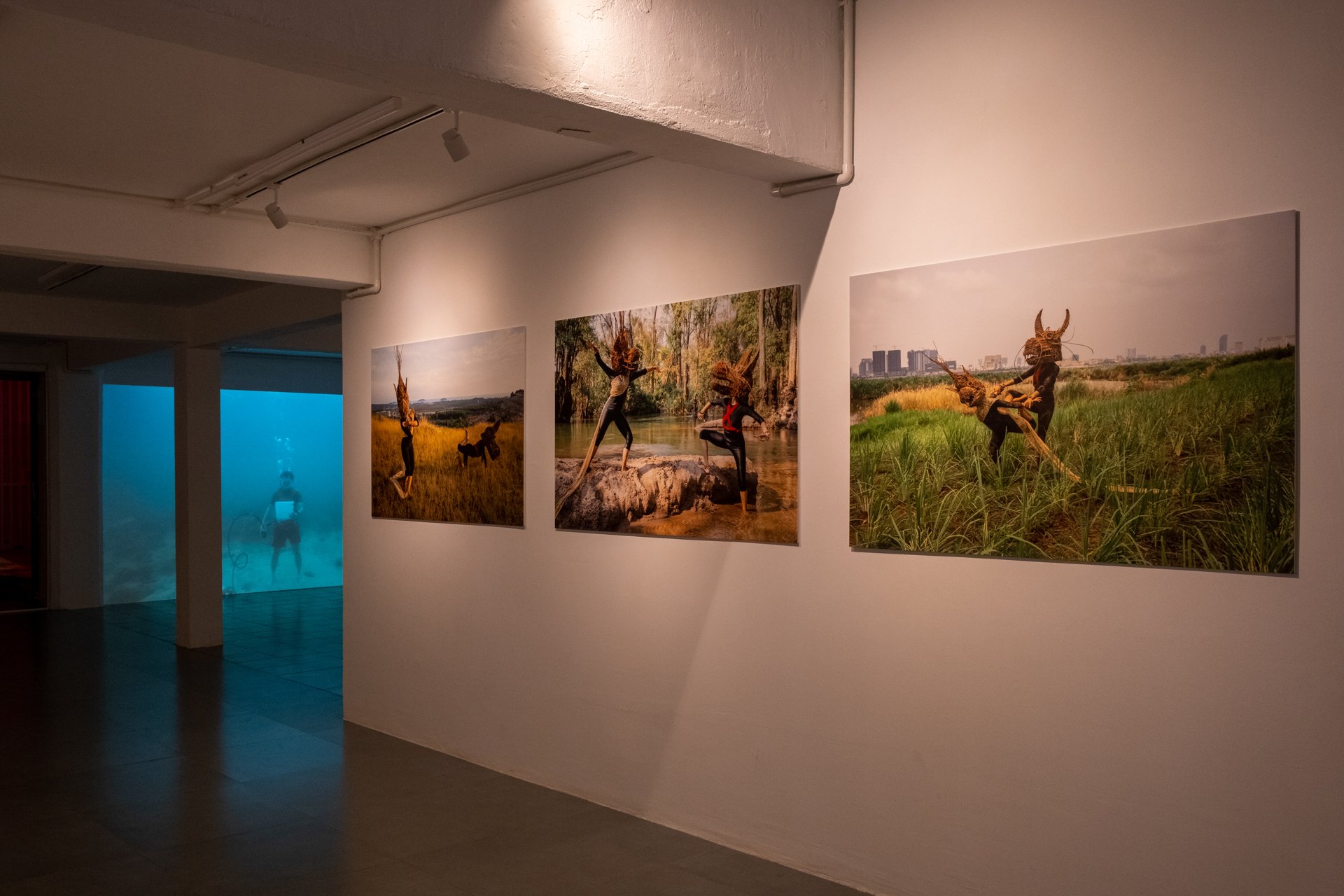
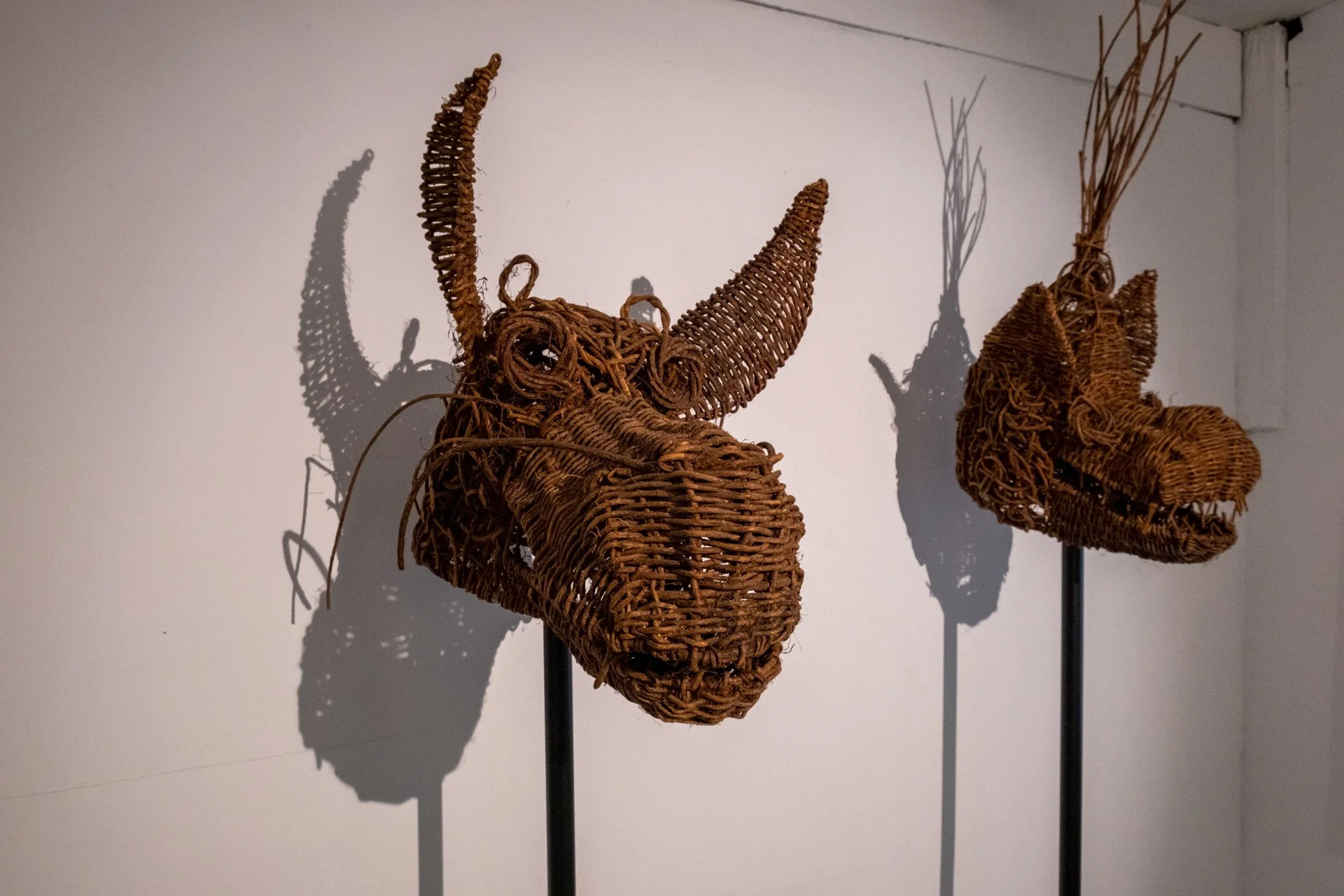
Khvay Samnang presents a two-channel performance video, two dragon mask headdresses made from local vines, and five photographs from his Popil (2018) series. Popil is a ritual Cambodians usually do at ceremonies such as baby showers, coming of age, weddings, funerals, and other ceremonies. The passing of Popil in a circle refers to a cycle of life. People perform this ritual to call all the 19 souls of a person to return to the body because if any of the souls is missing, the person would become sick or unstable. At a wedding, people perform Popil to call back the couple’s souls and ask for prosperity and reproduction. Here, Samnang’s Popil is instead a performance choreographed and danced by two Cambodian classical dancers, Mot Pharan and Sot Sovanndy, telling a story of the courtship between two dragons. In the video, the couple dances, flies, twists, and twirls, traversing from the northern part of Cambodia to Phnom Penh capital, and then the southern part of the country, passing through the sea and mountains, forests, and the cities that are rapidly growing. Their movements and gestures express not only intimacy and love but also tension and fight while telling narratives of ritual. Their presence across critical geographies suggests beyond a romantic relationship to one that is also political.
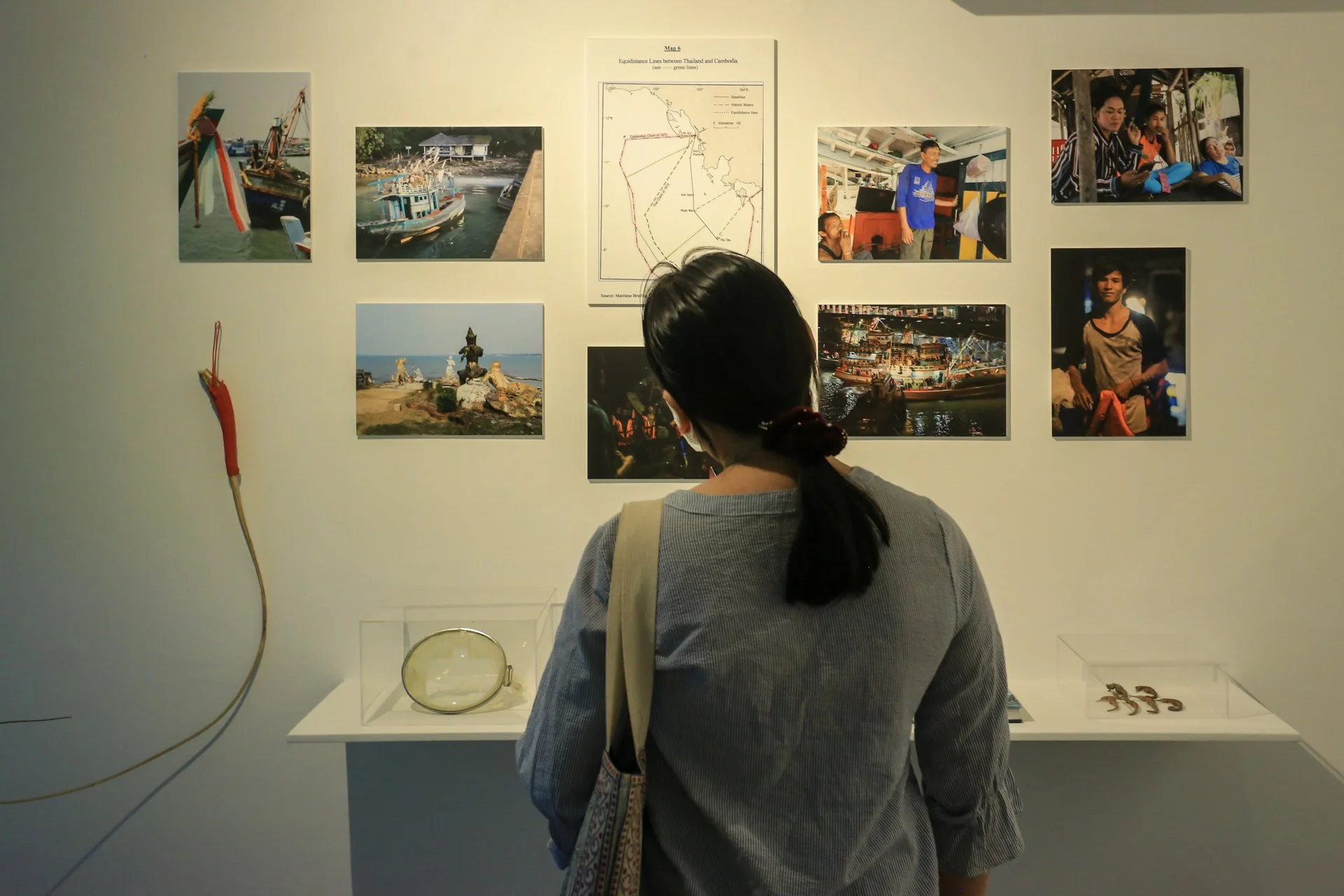
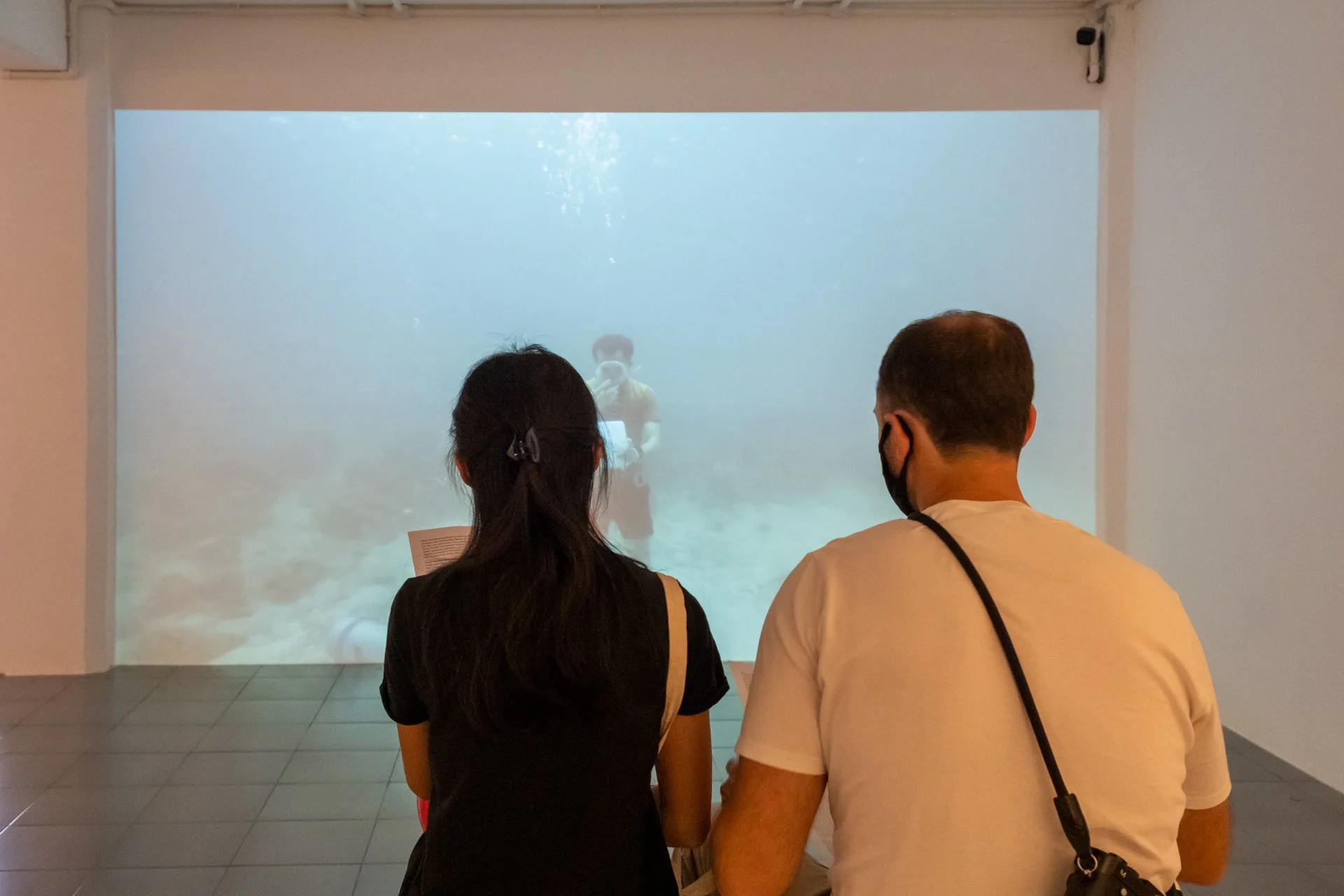
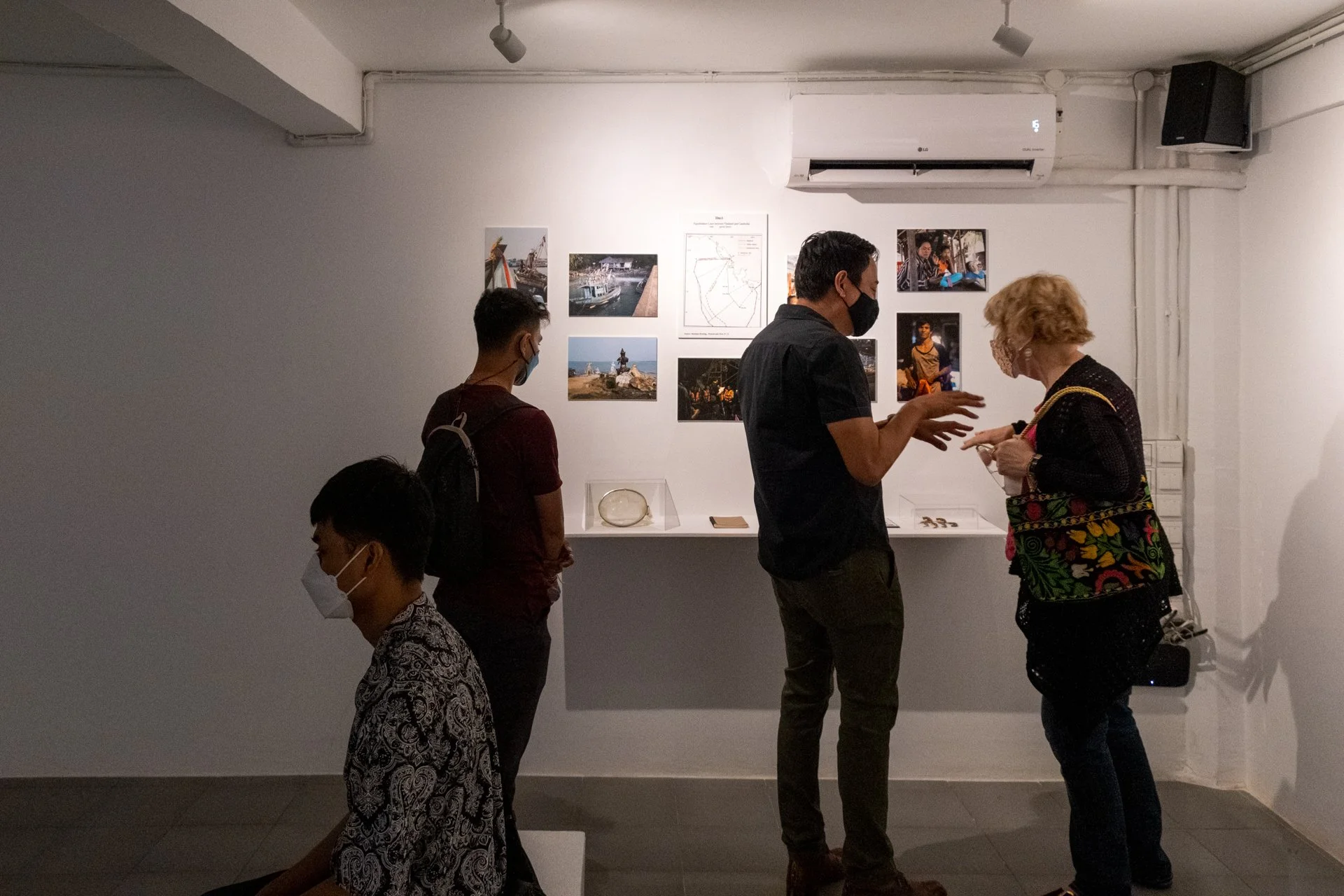
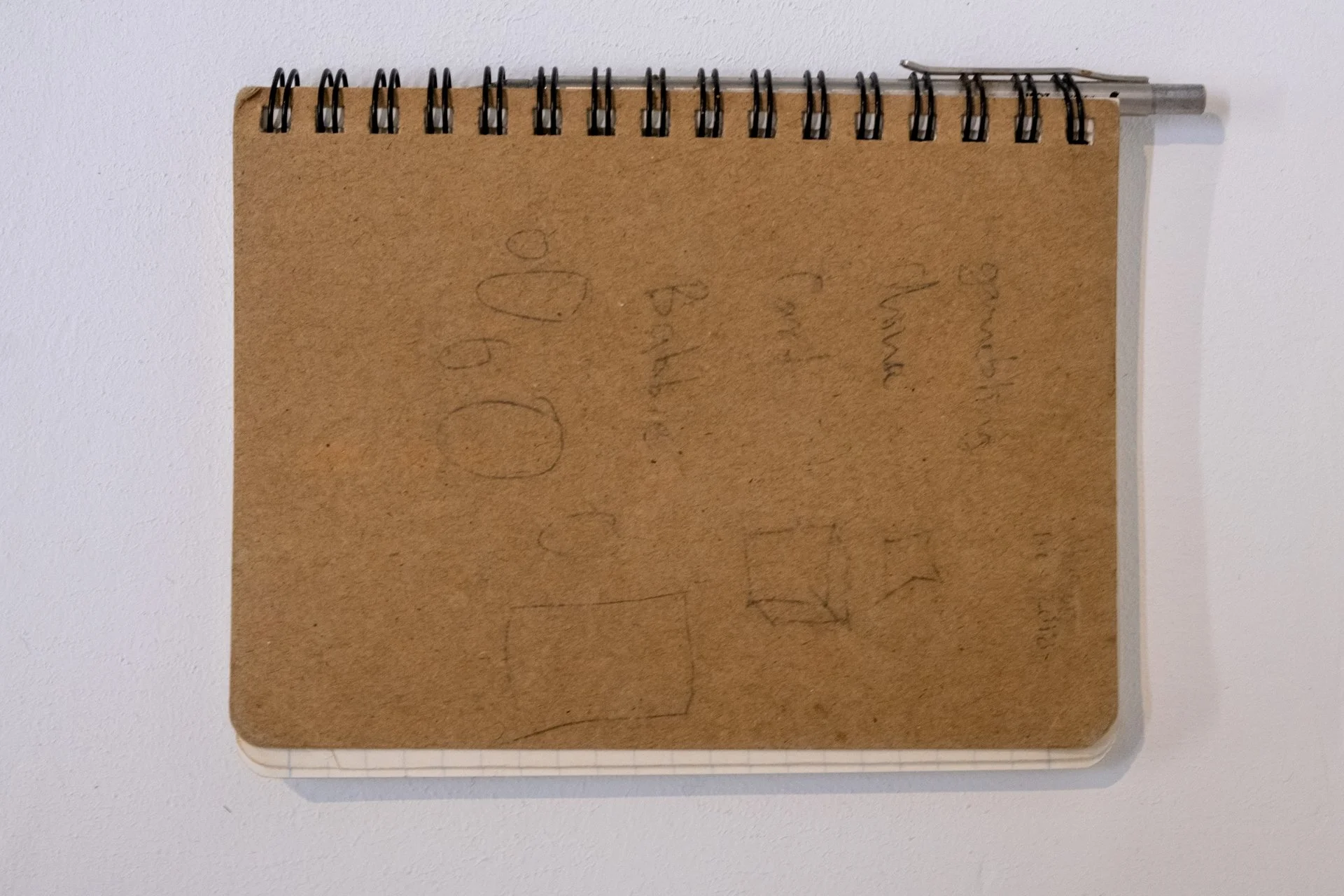
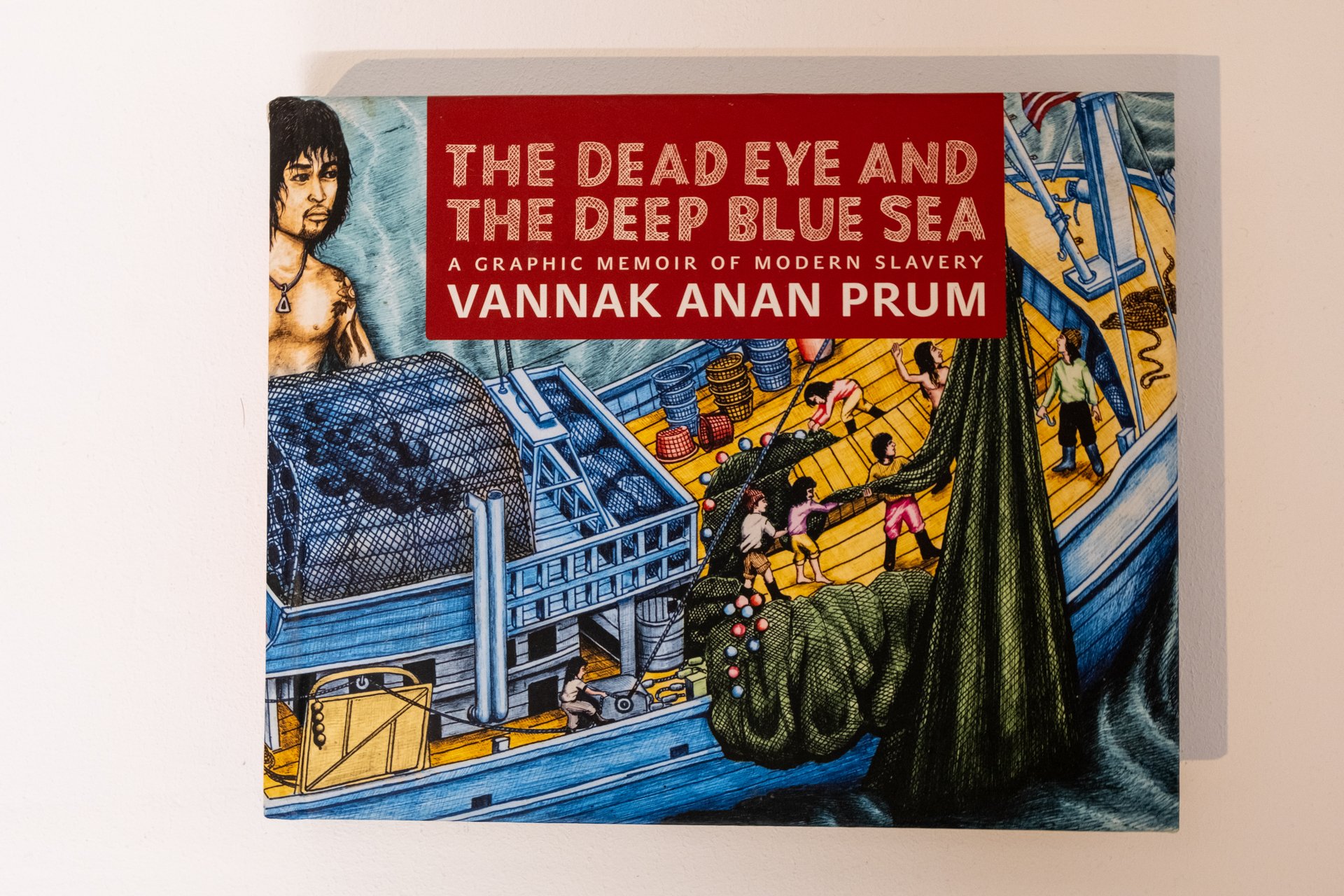
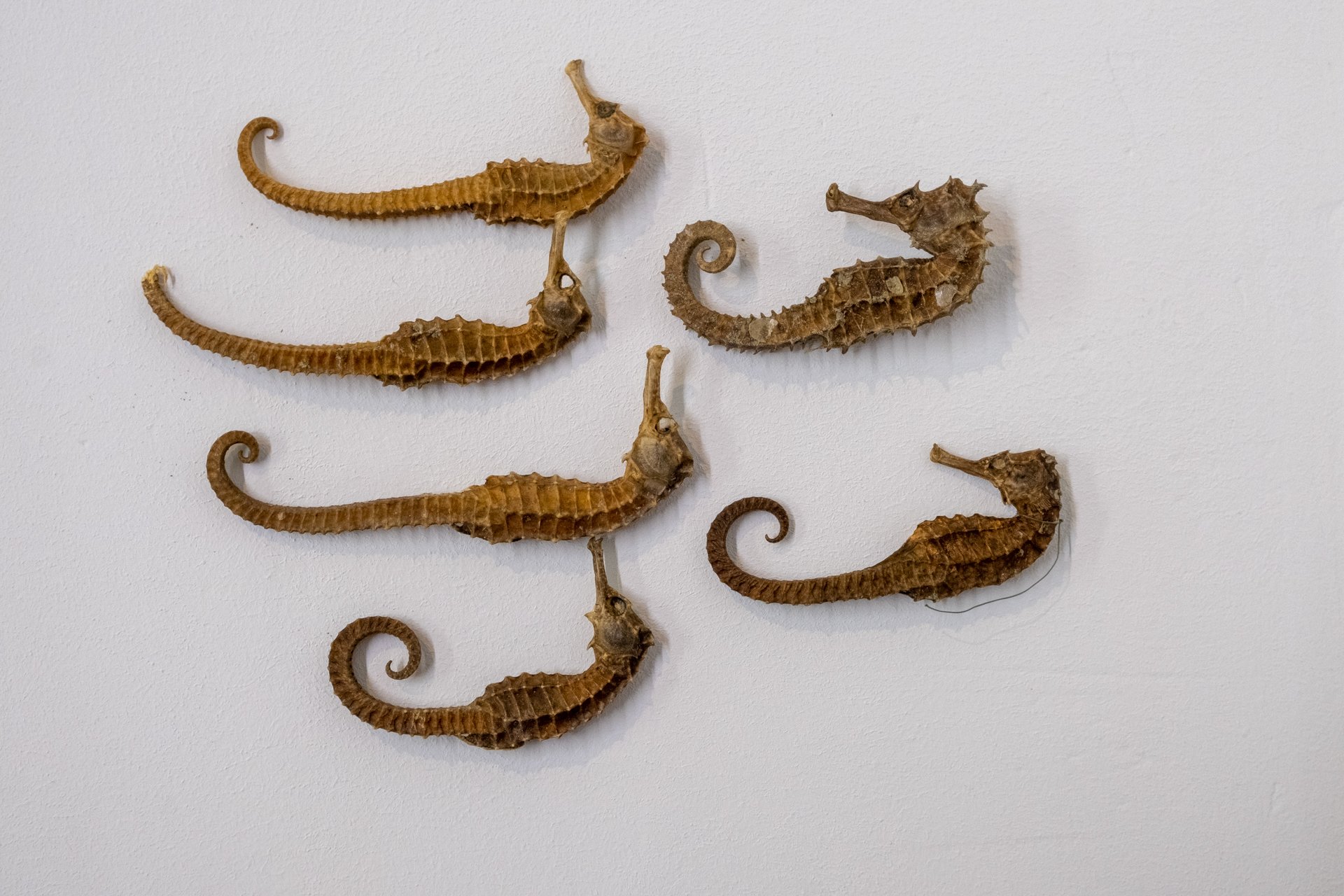
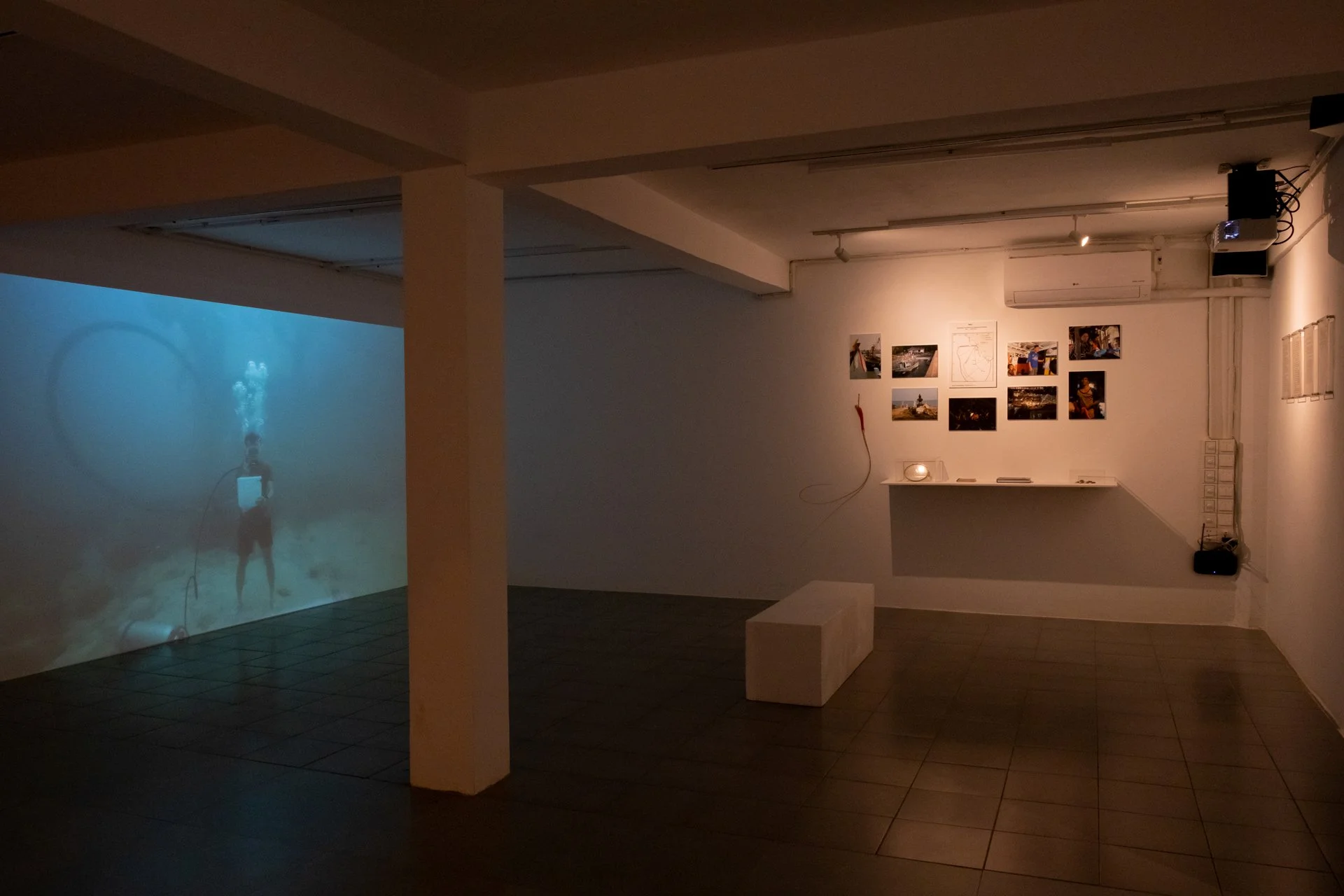
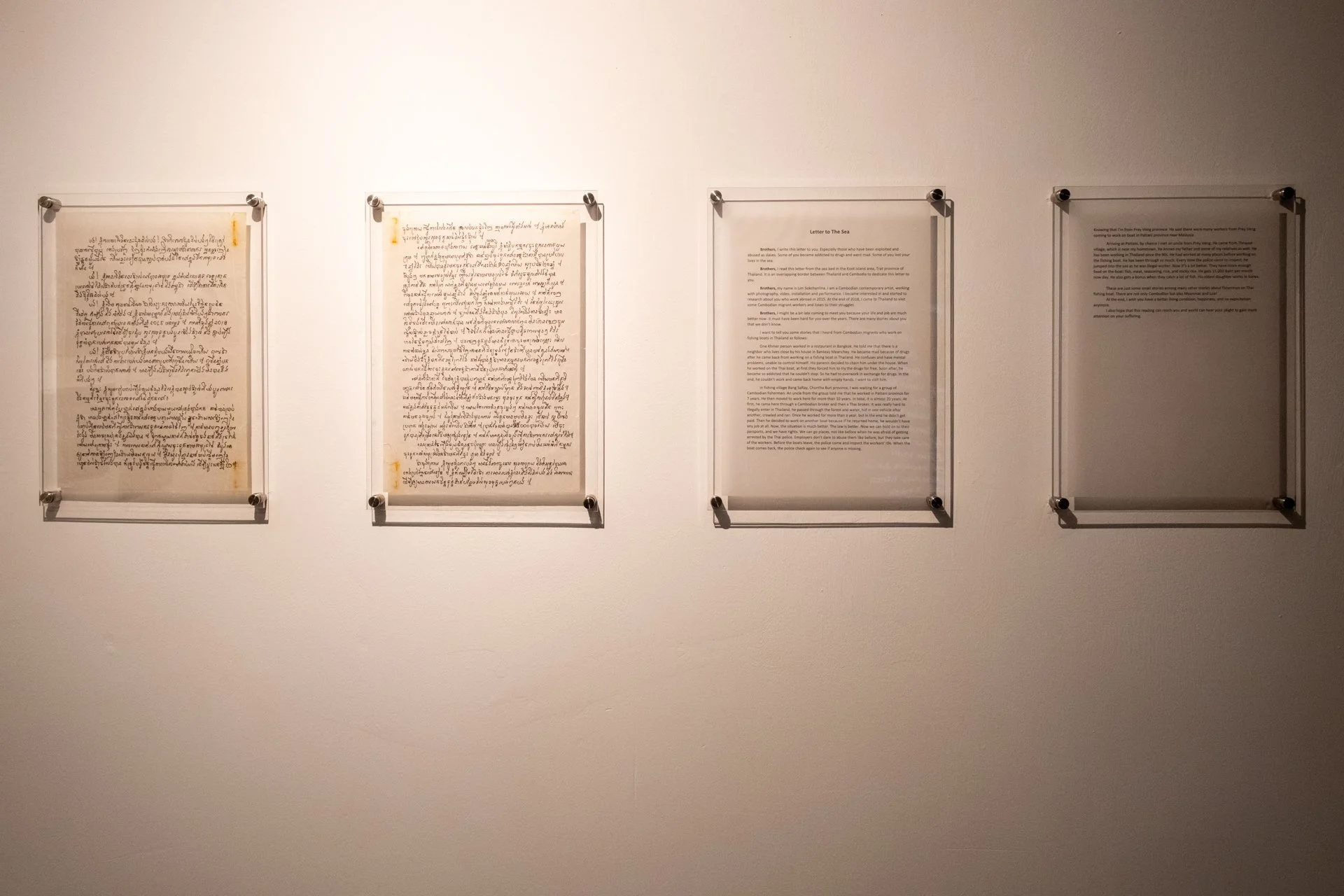
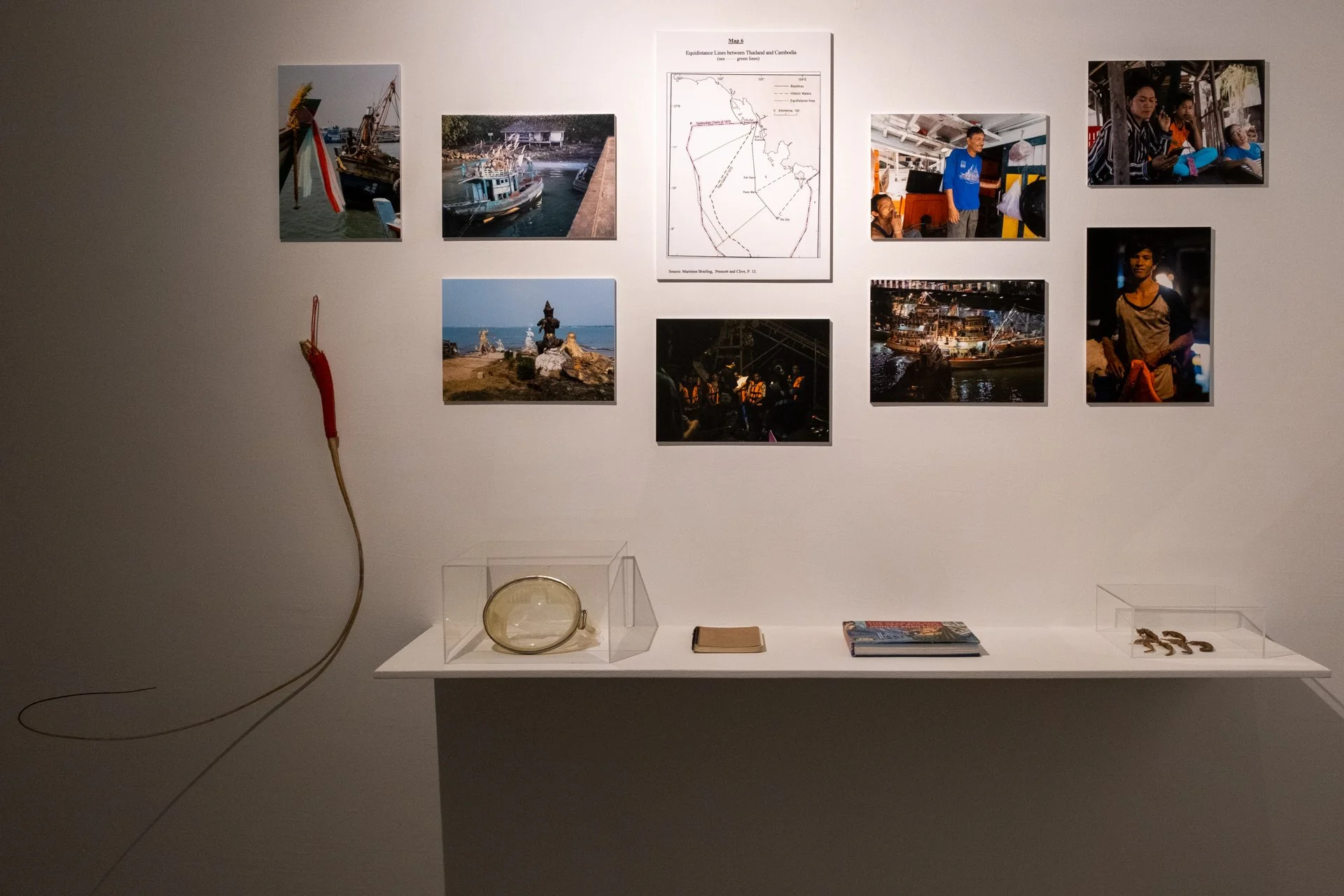
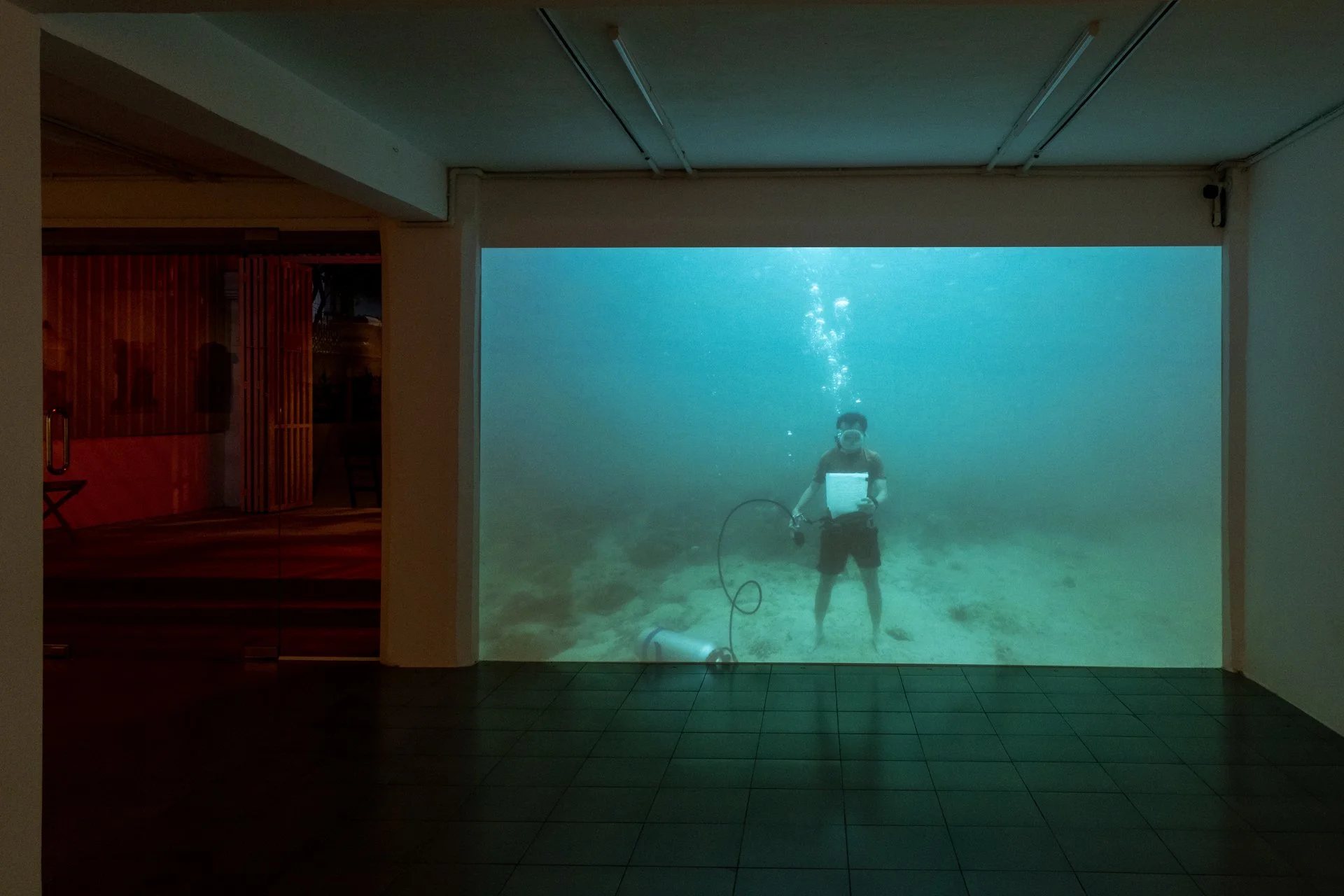
Lim Sokchanlina’s Letter to the Sea (2019) is a single-channel video accompanied by process documentations, letter archive, and some objects. This work focuses on Cambodian fishers based in Thailand. Thai fishing industry faces many critical issues, including labour exploitation, human trafficking, and drug use and trafficking. After visiting and learning stories of many Cambodian fishers in the Thai sea and some provinces. Lina makes a performance by writing a letter and reading the letter at the bottom of the sea at Koh Kut, an island at the sea border between Thailand and Cambodia (near Koh Kong province, Cambodia). The letter describes some of the Cambodian fishers’ hardships; they are exploited, abused, trafficked, and some become addicted to drugs and turned mentally ill. The artist dedicates his letter to the spirit who takes care of the sea and the spirits of the Cambodian fishers who died at sea. The sound of the water bubbles from the artists’ breathing together with his reading of the letter amidst a blurry vision under the sea, produces a poetic yet haunting tale of the gloomy inter-state crisis.
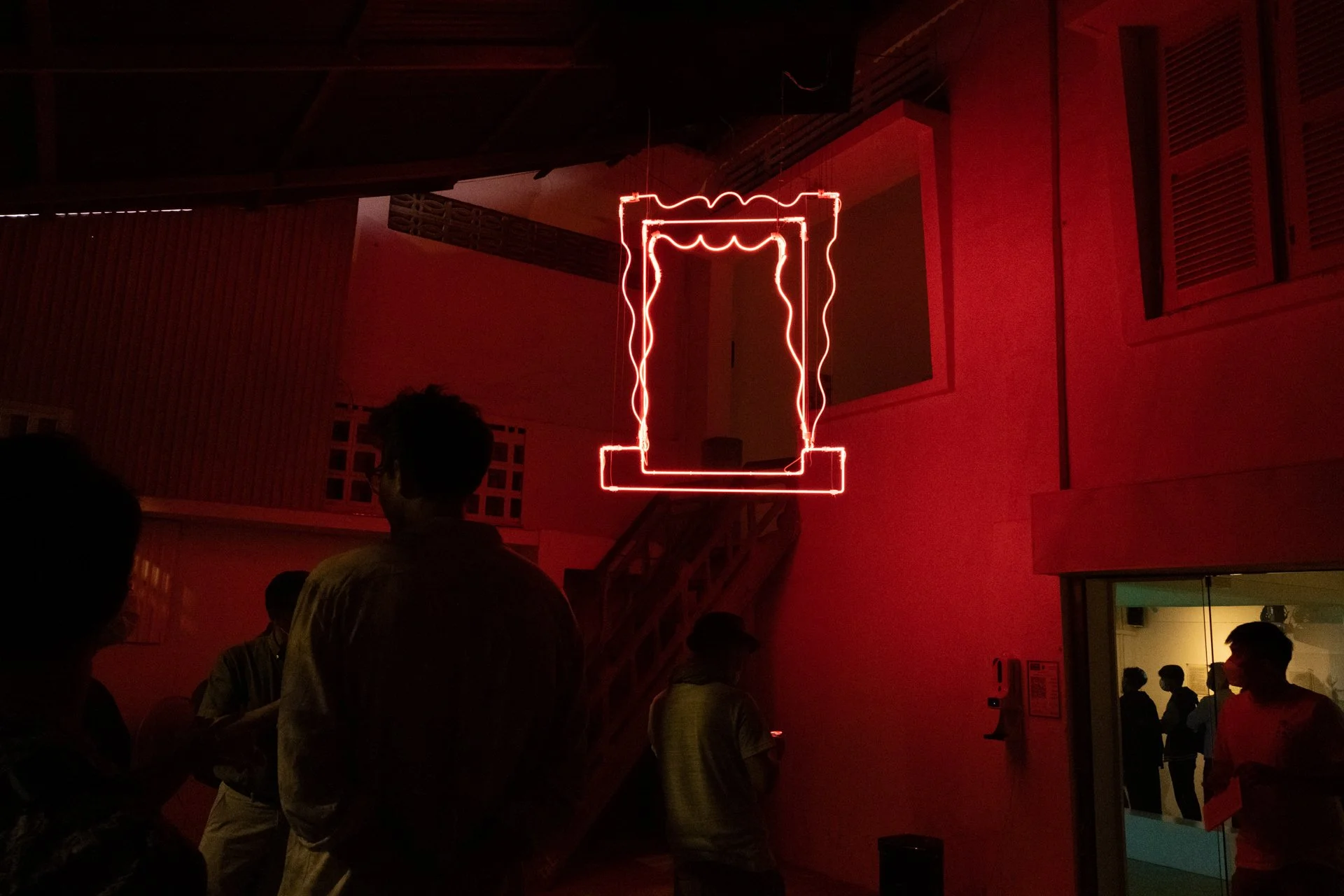
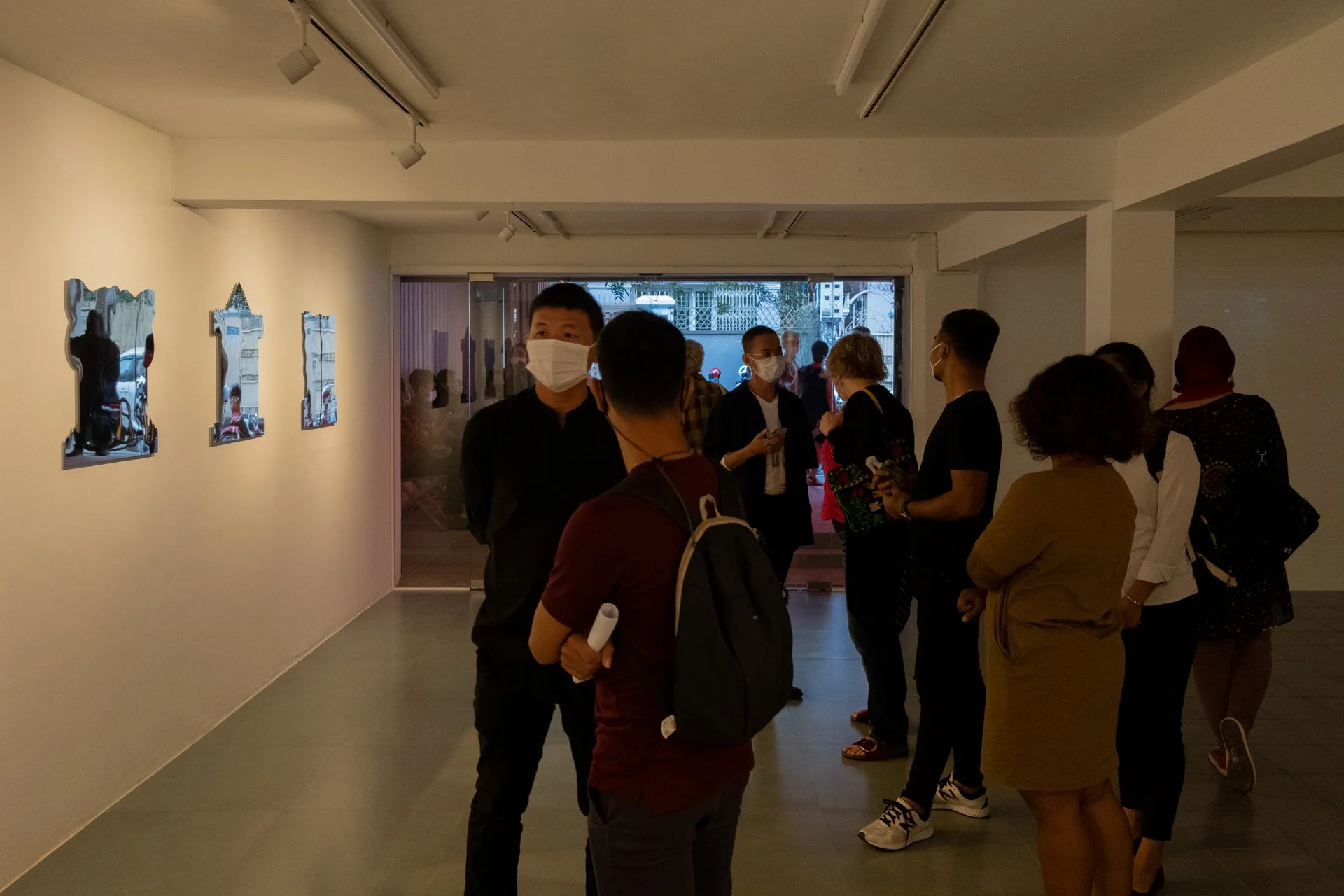
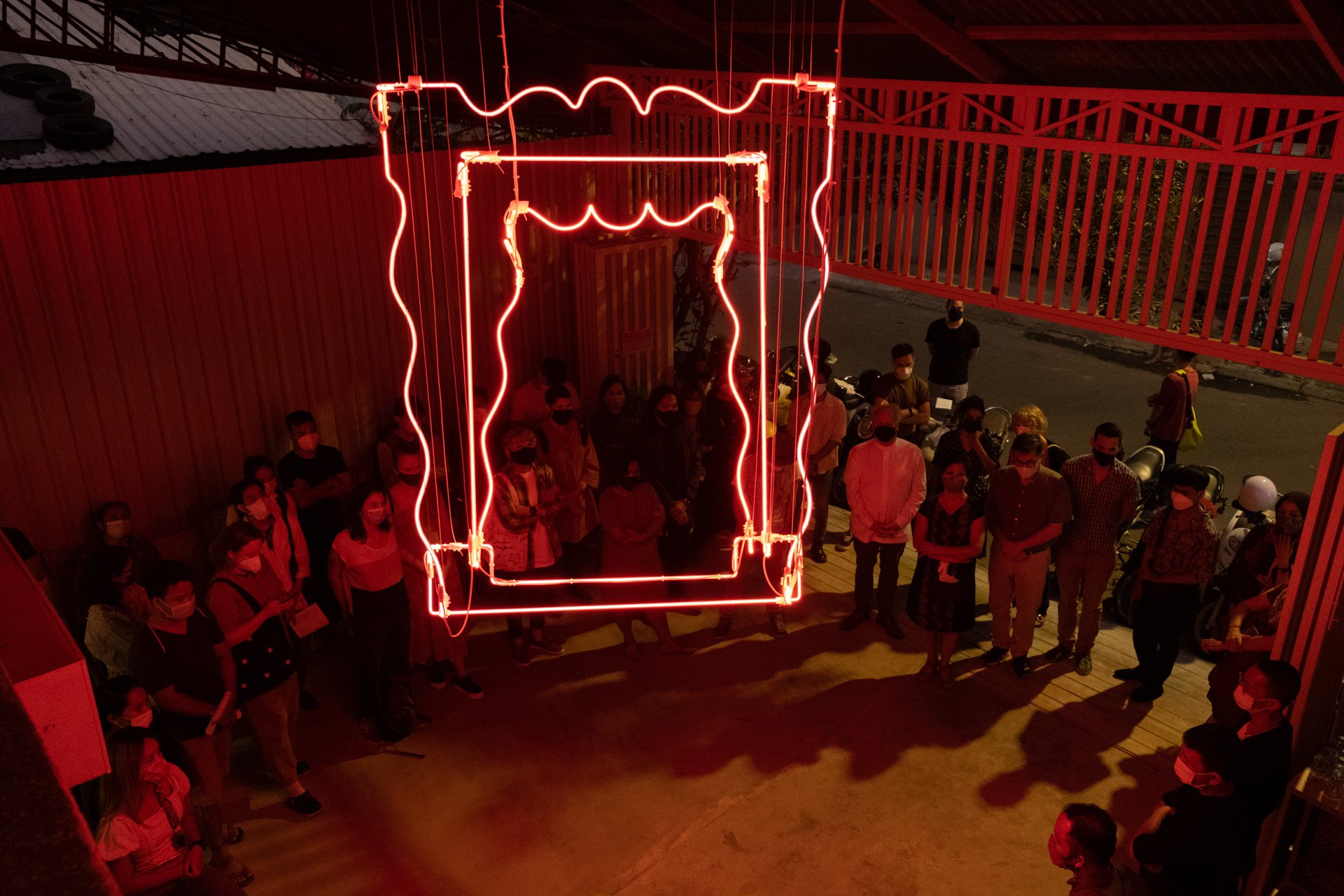
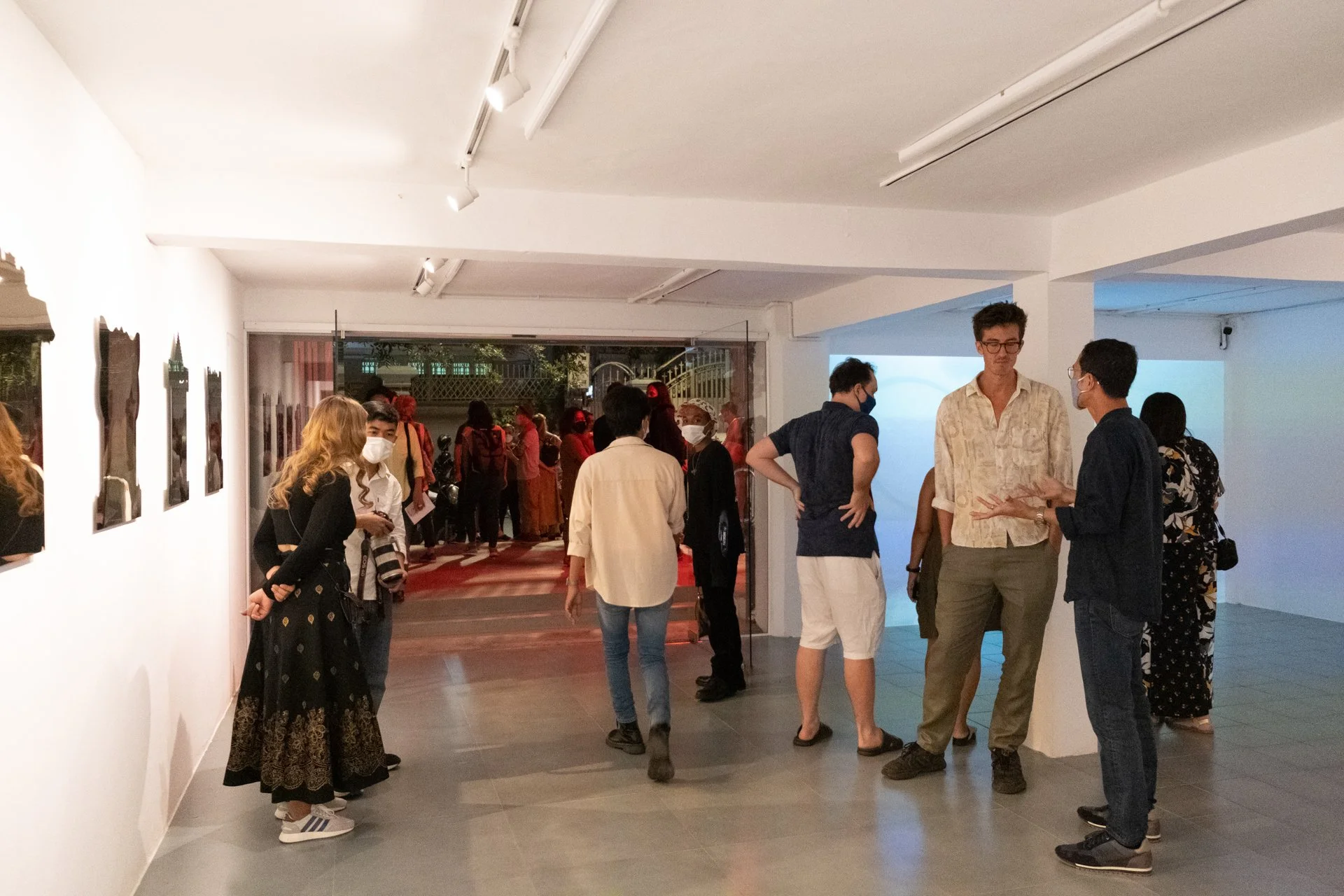
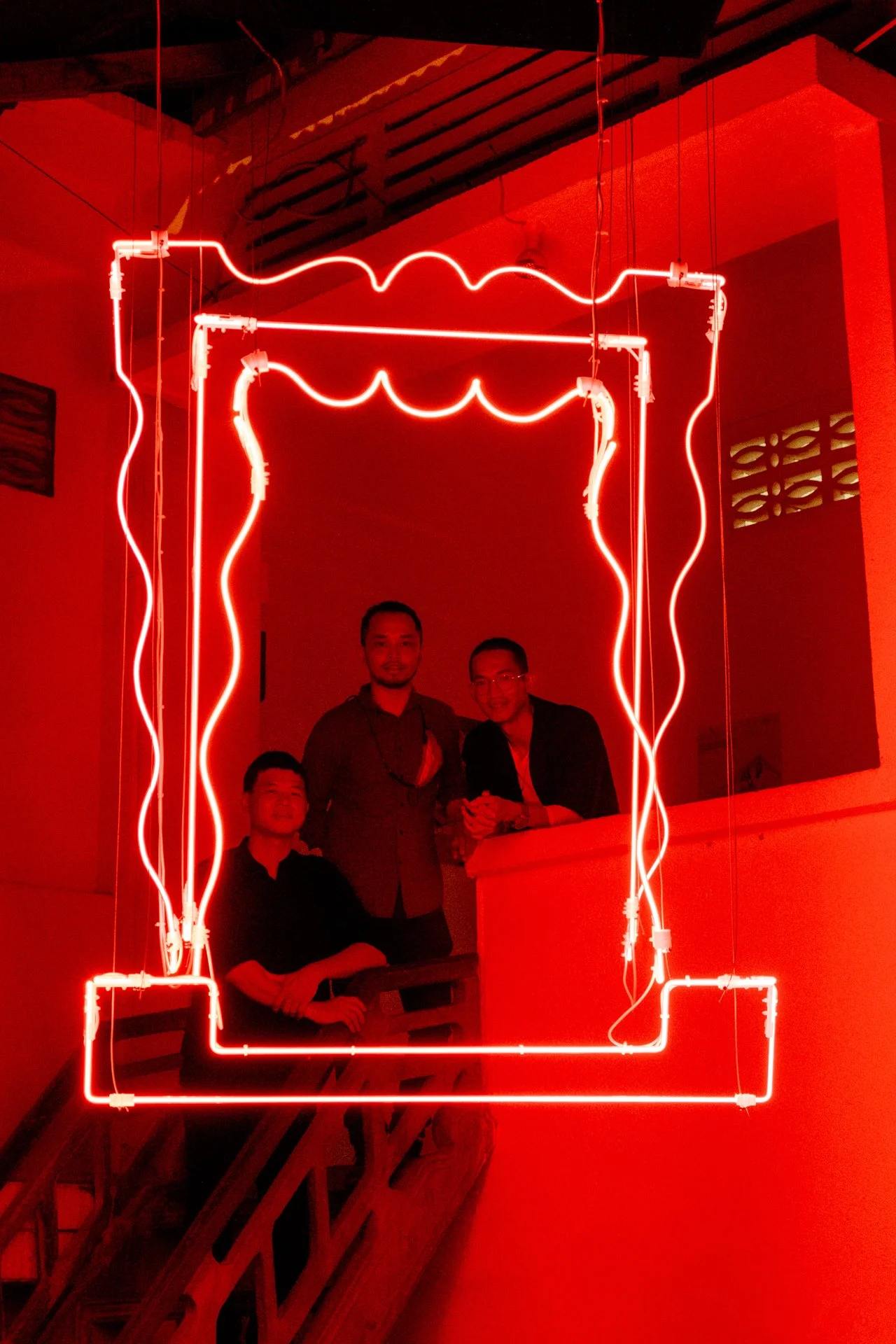
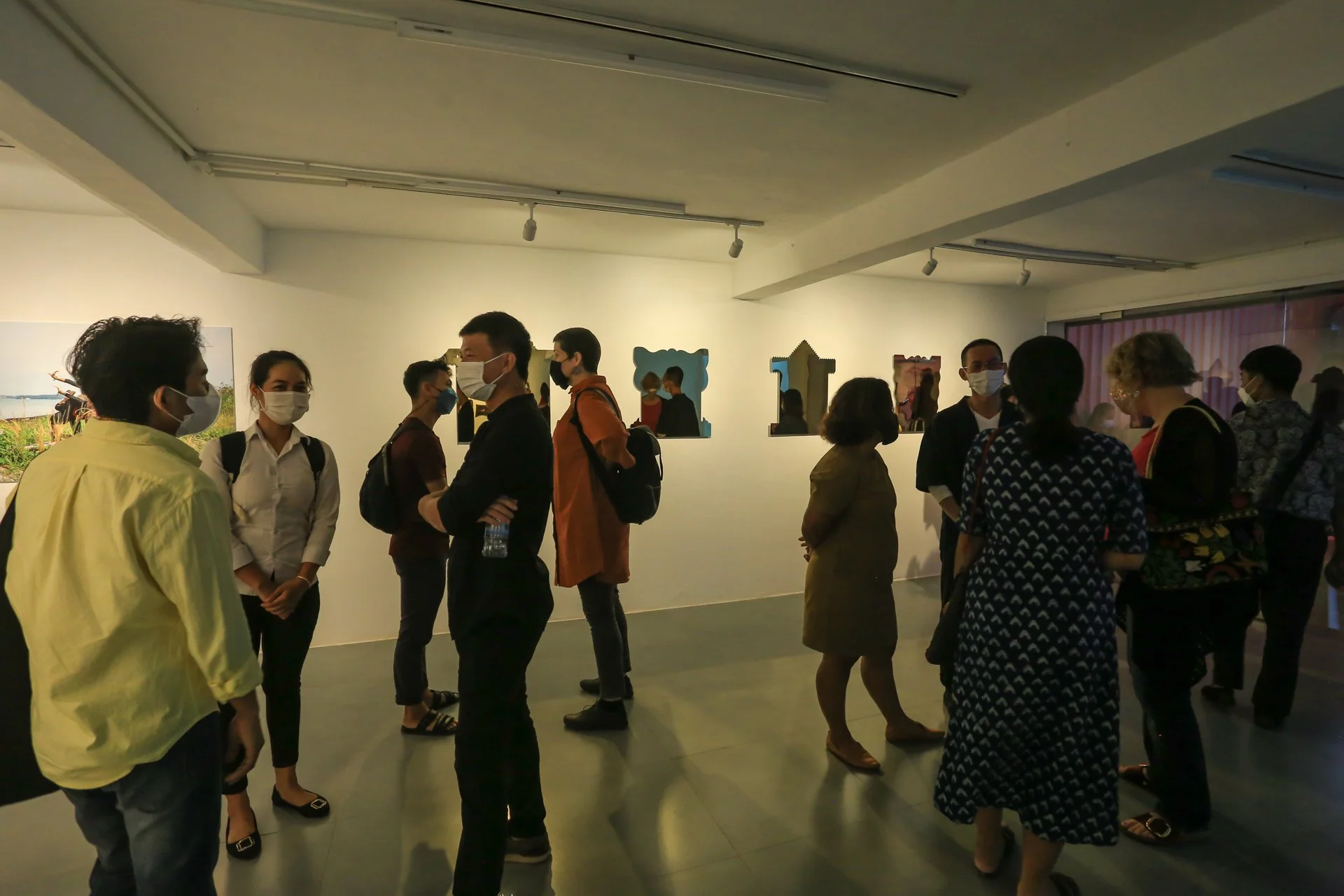
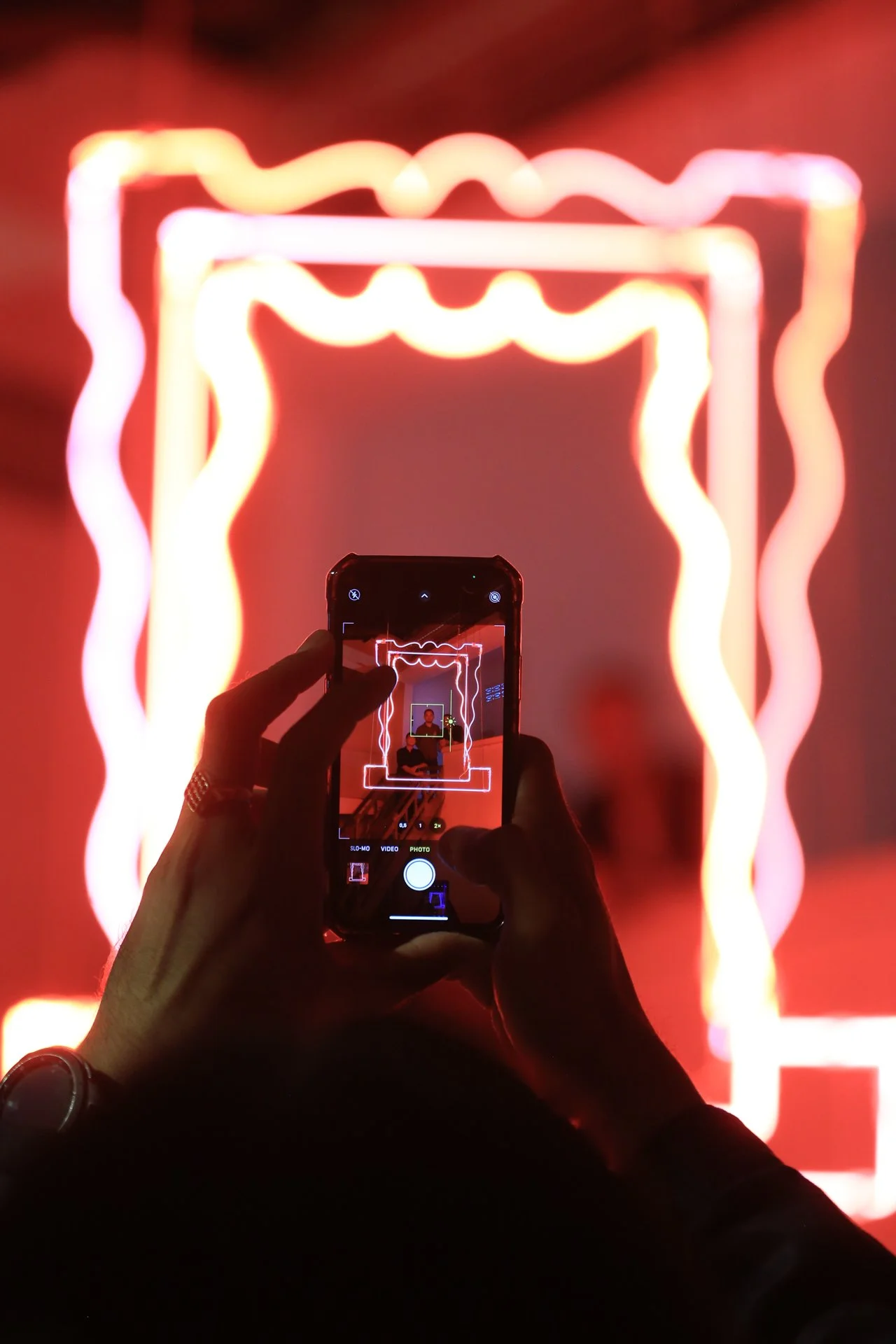
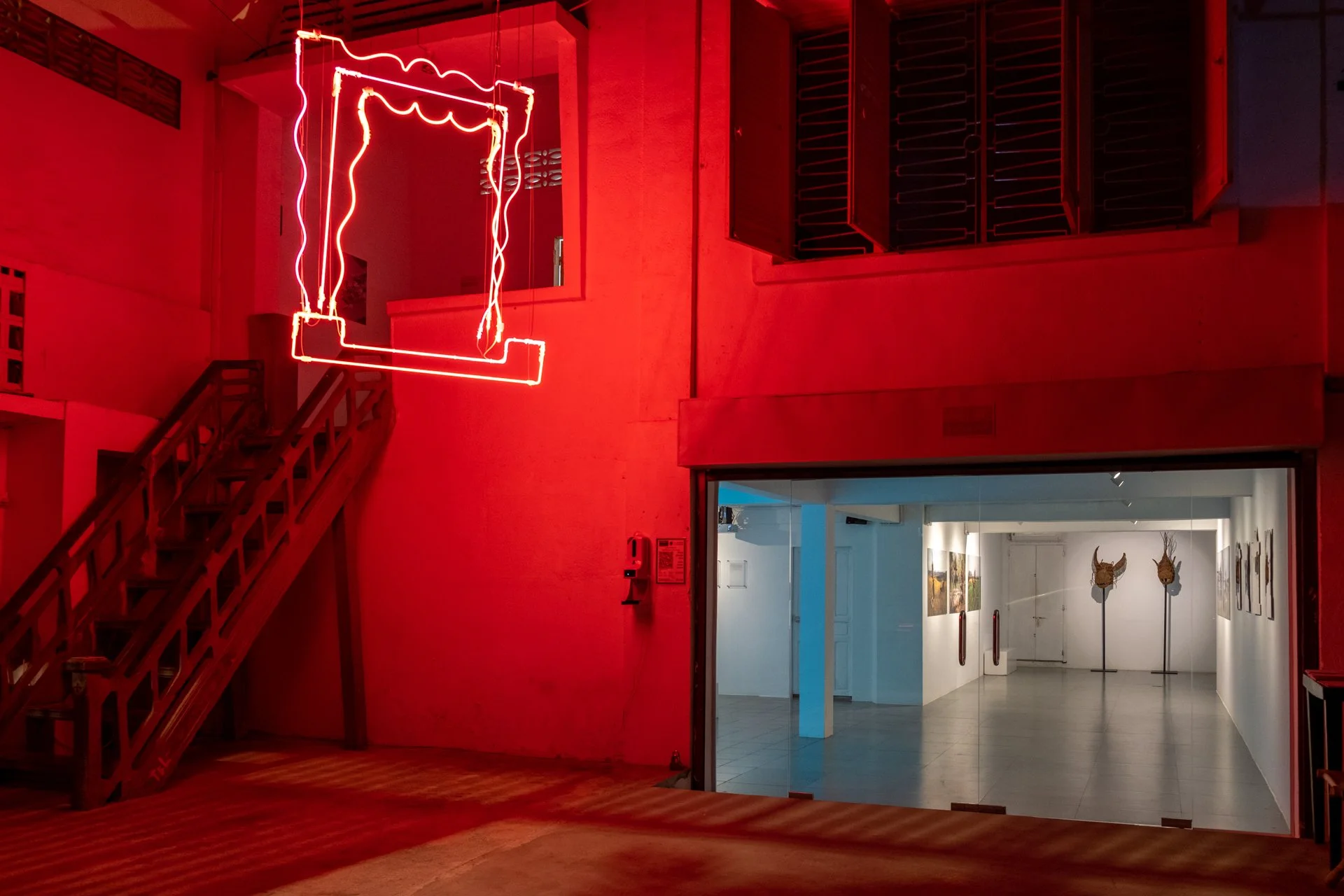
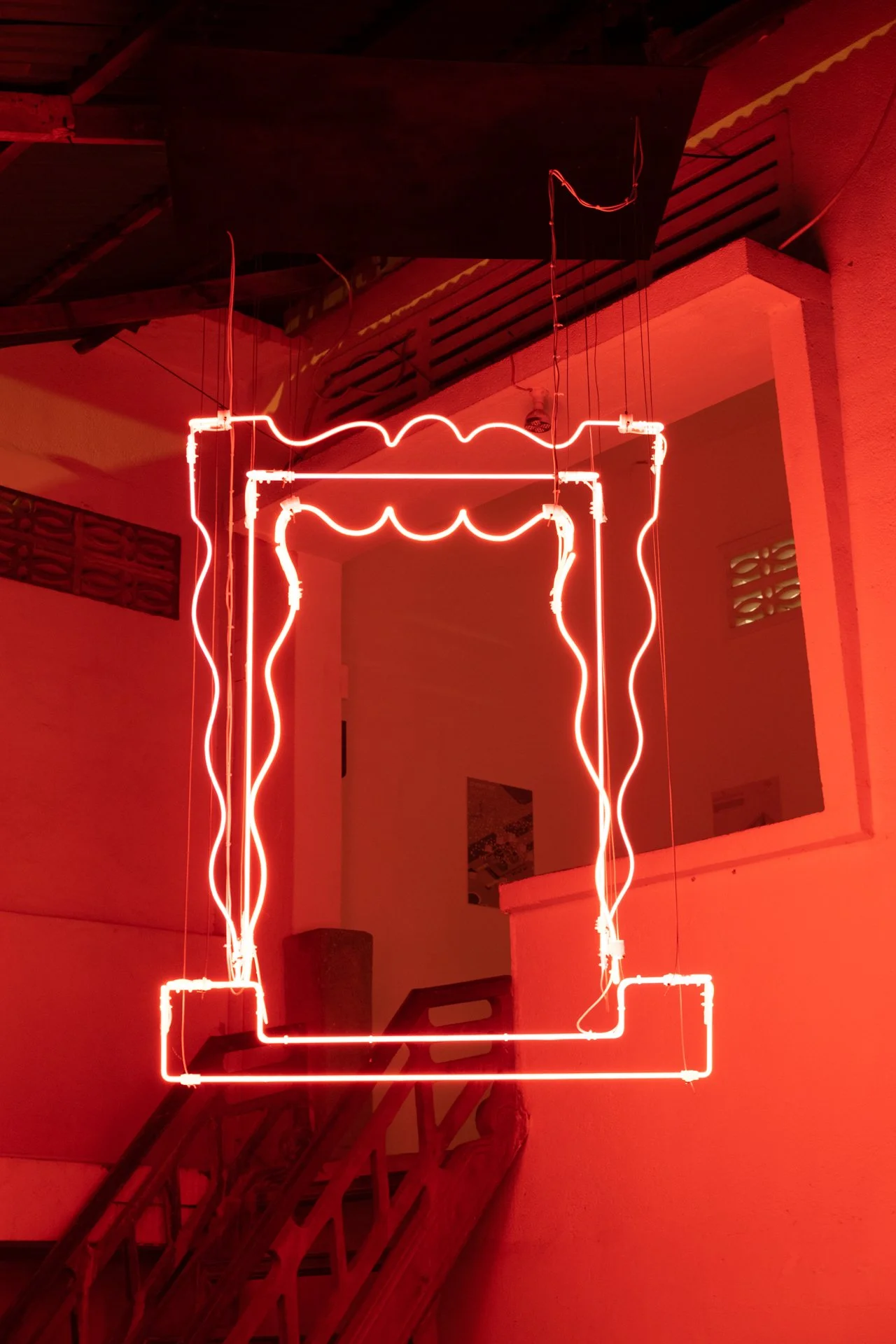
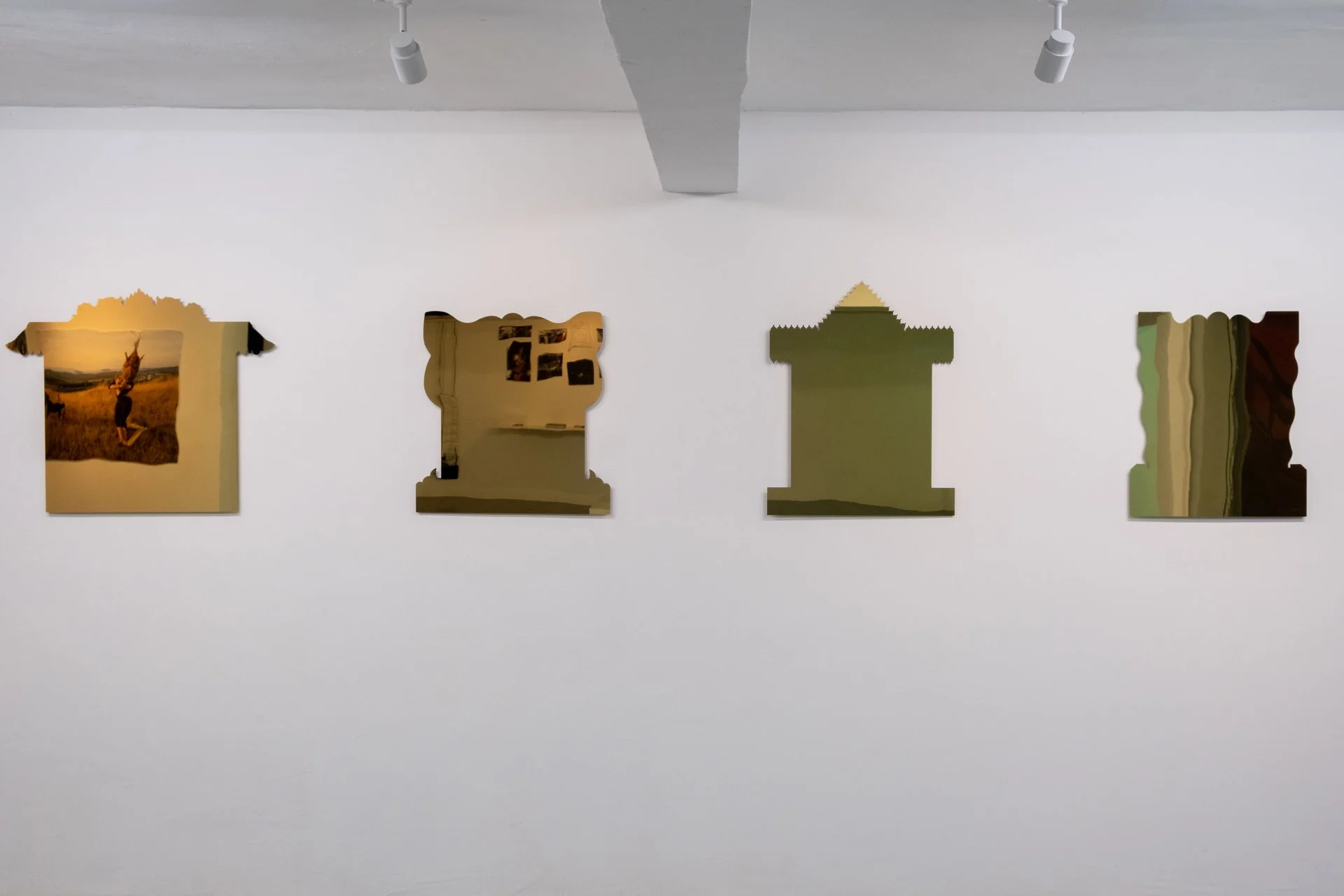
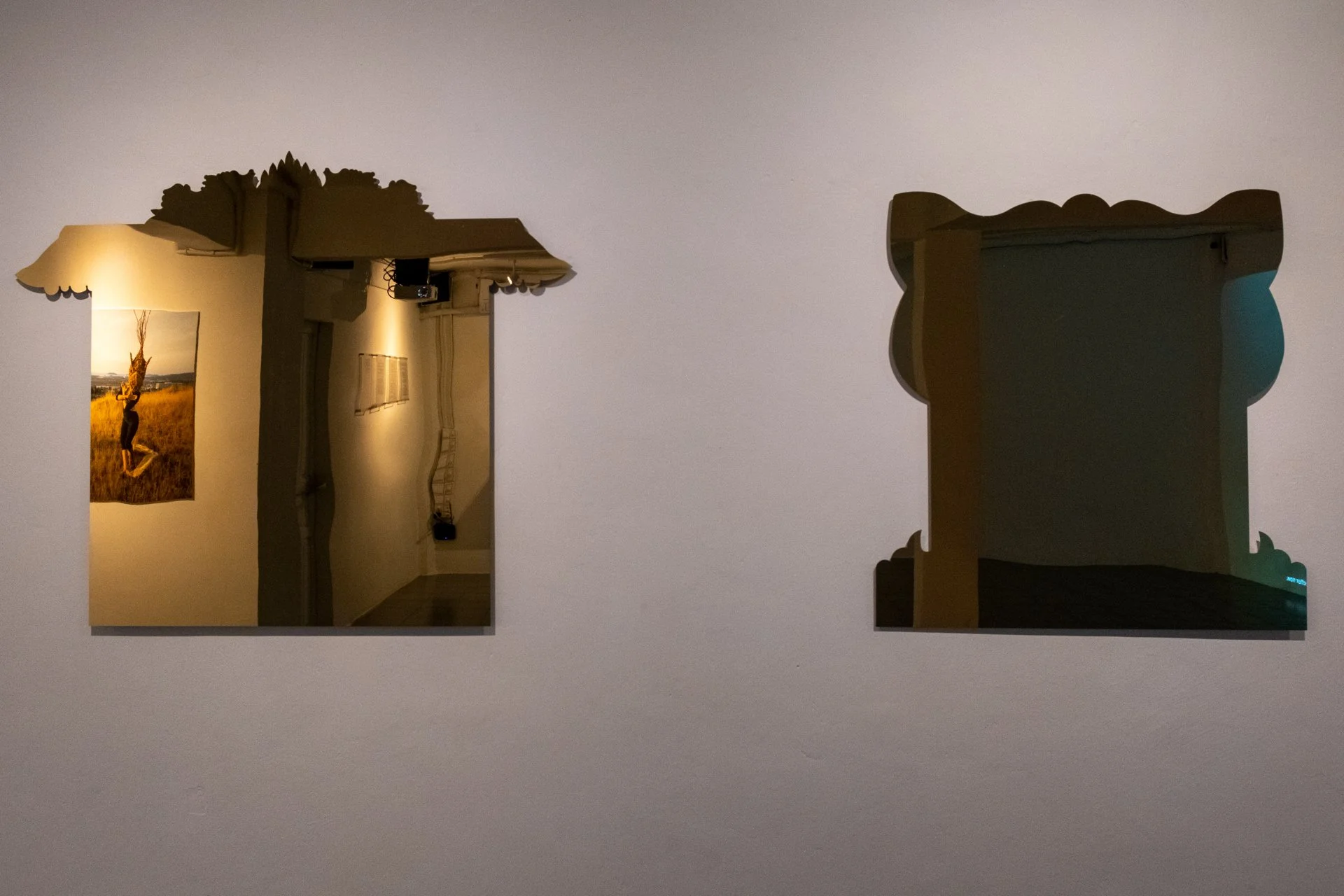
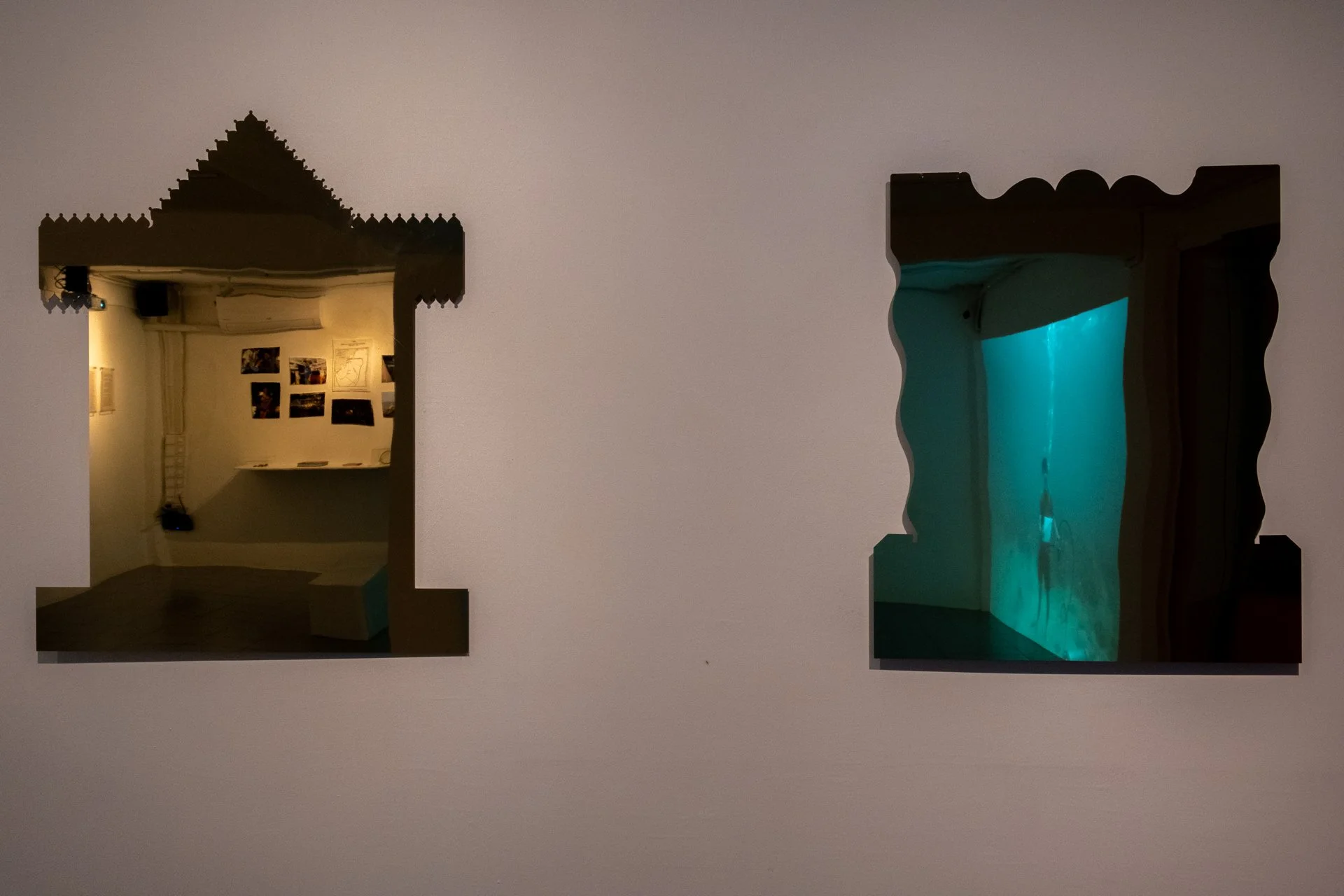
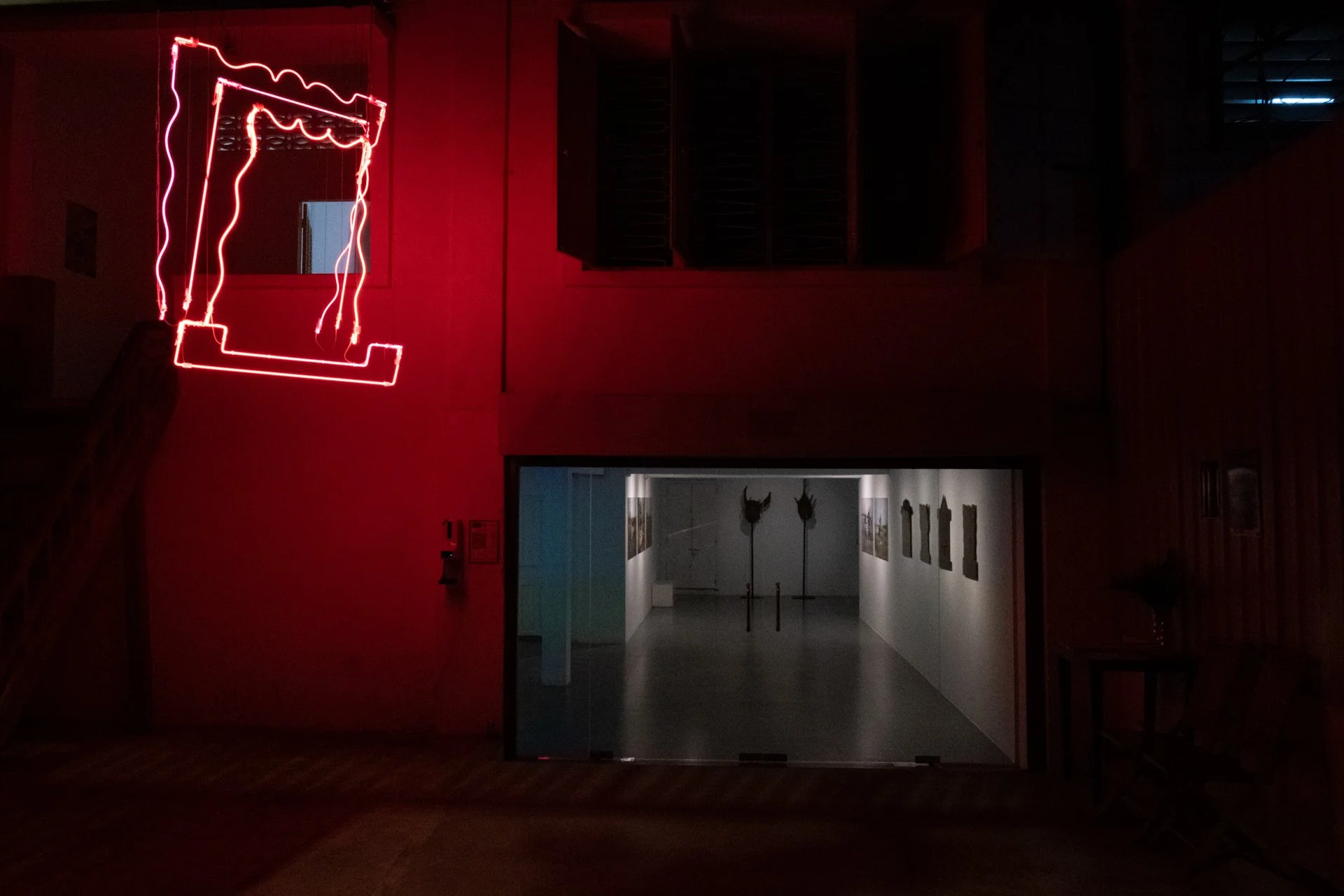
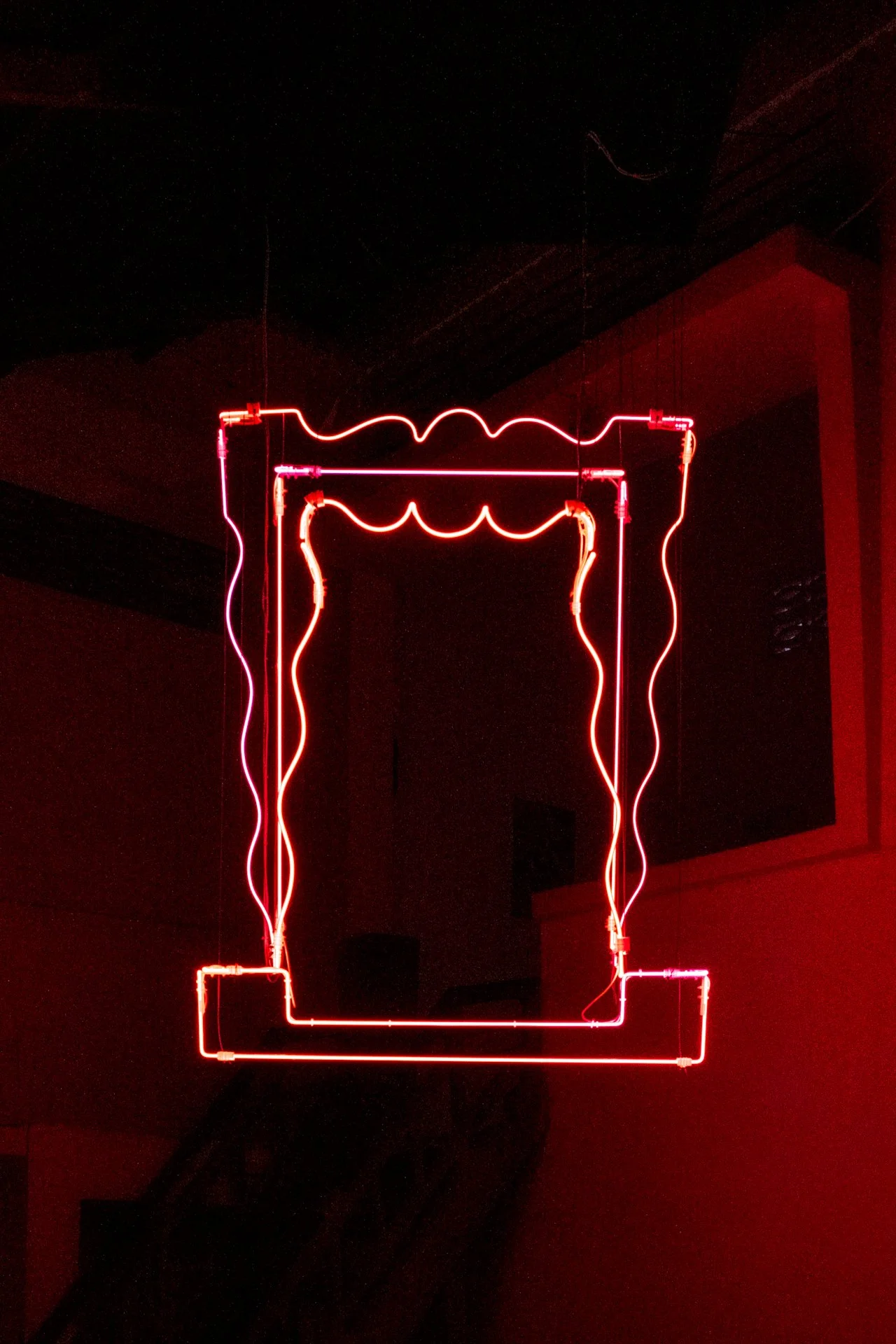
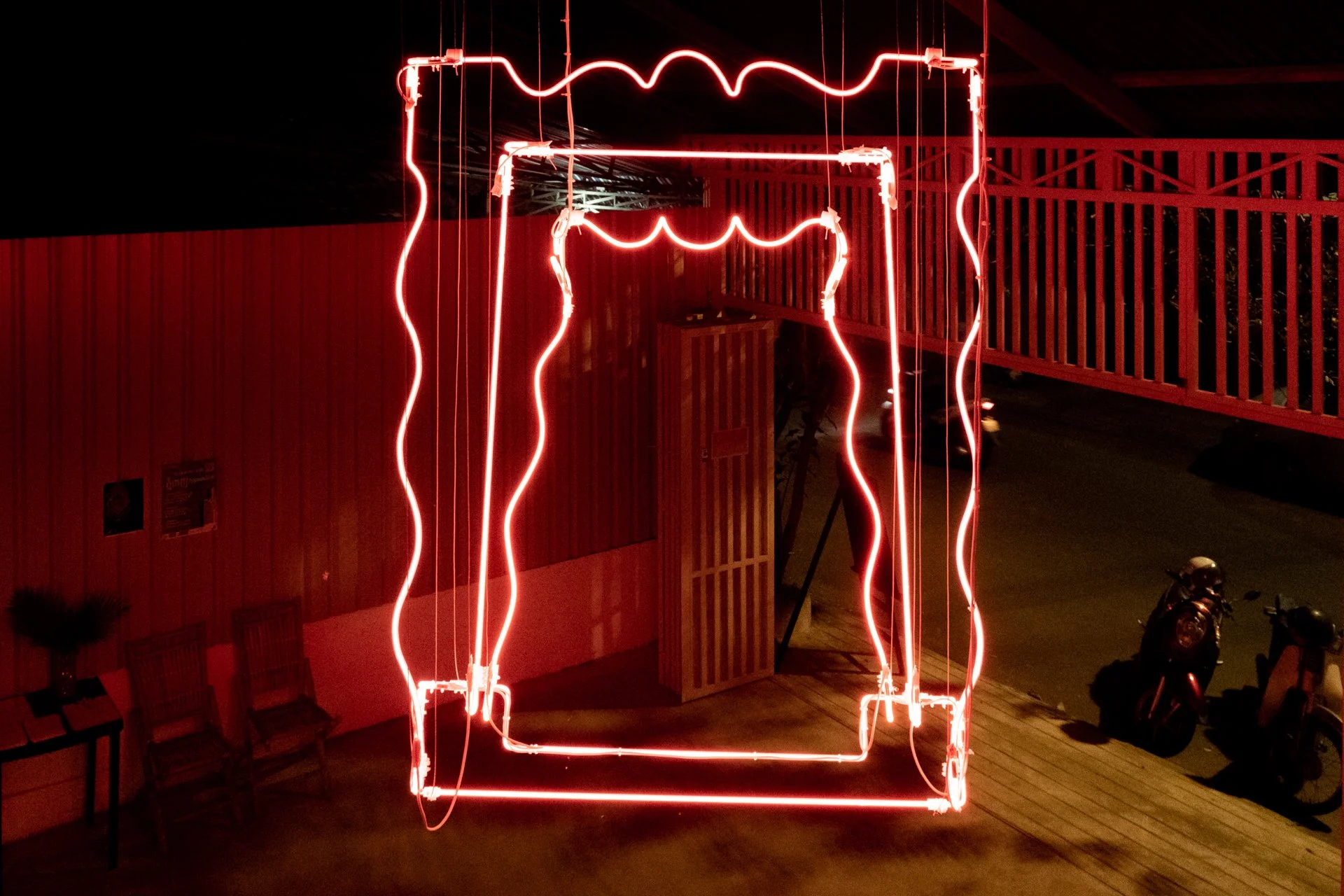
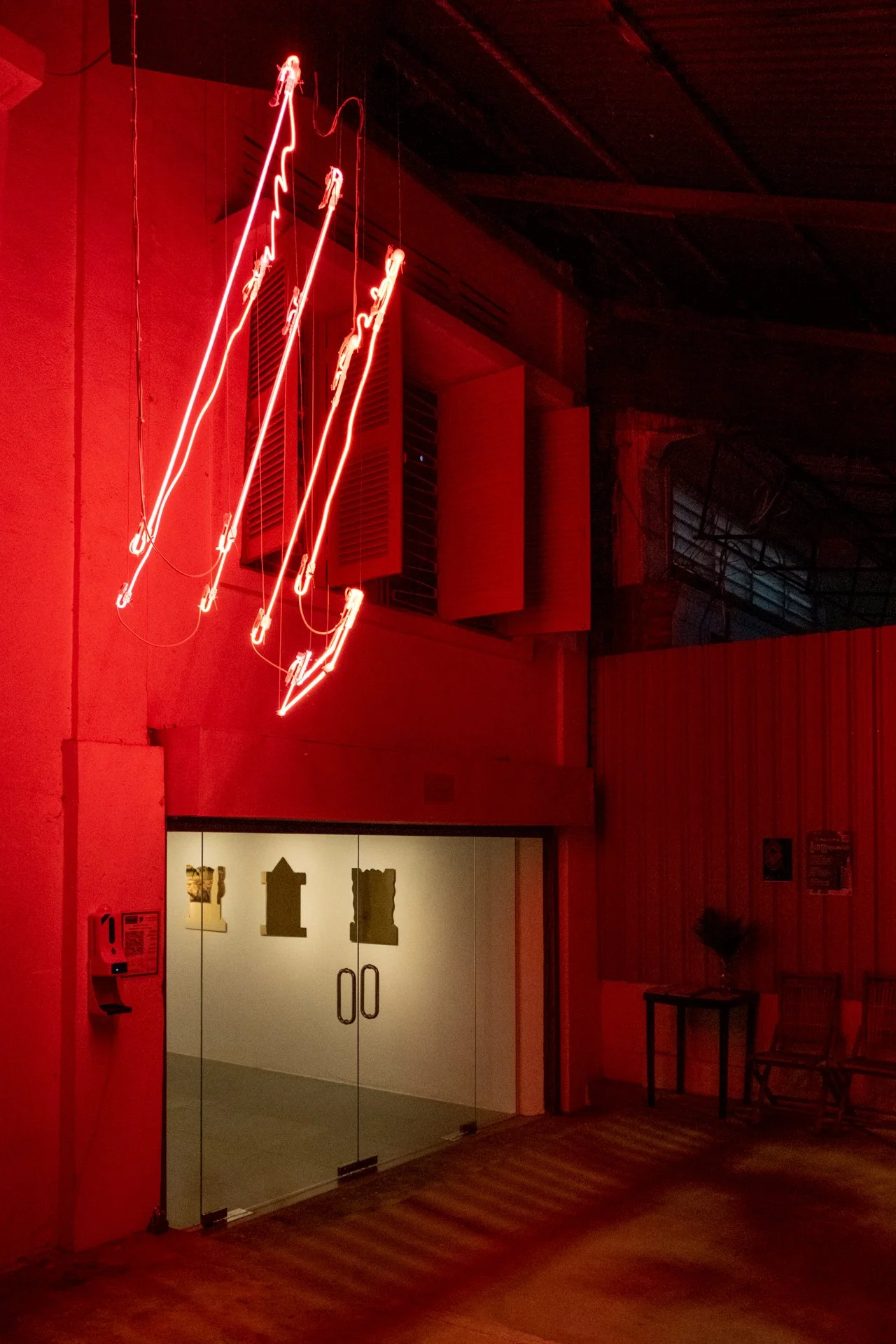
Vuth Lyno introduces an architectural installation made of neon light and four images of a kind of shrine called Chumneang Pteah (house spirit). Cambodian Chumneang Pteah is influenced by a Chinese practice of believing that a spirit takes care of each house. People place Chumneang Pteah, which is usually made of a miniature house, on the ground facing out to the entrance of a residence or home of business. In contrast, Lyno’s Shrine (2022) is a human-scale Chumneang Pteah in skeletal fragments made of neon light tubes suspended in space. It radiates red light like fire and faces down from above, confronting the audience as they walk into the gallery. The other four wall pieces are made of alluring golden stainless steel, outlining Chumneang Pteah in various designs. They are shiny and reflect like mirrors, producing ever-changing reflected images as the audience walks past them. Whether it is a light or a reflection, Lyno’s work creates a new experience and vision as if constructing an otherworldly space for the interface between the audience and the house spirit.
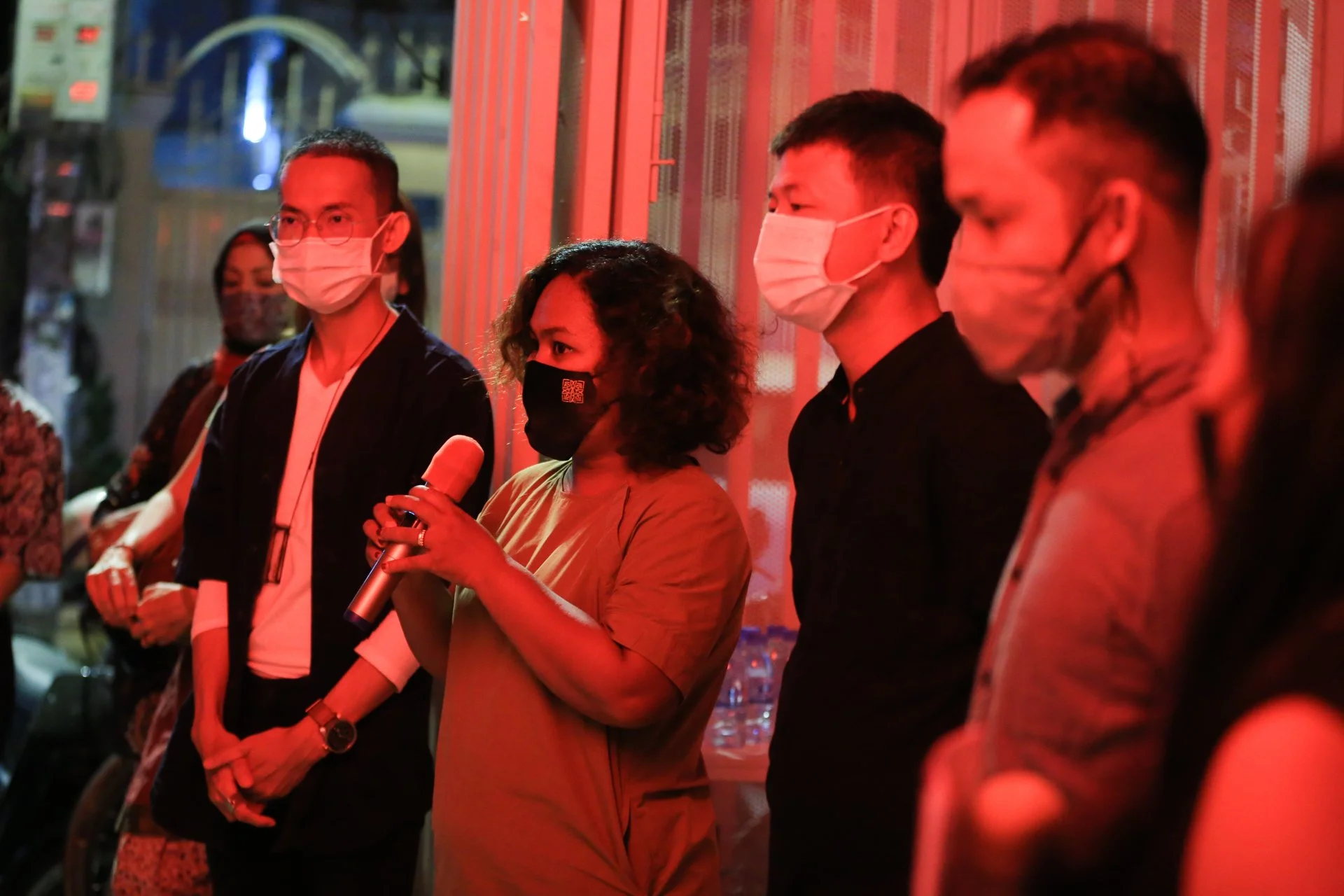
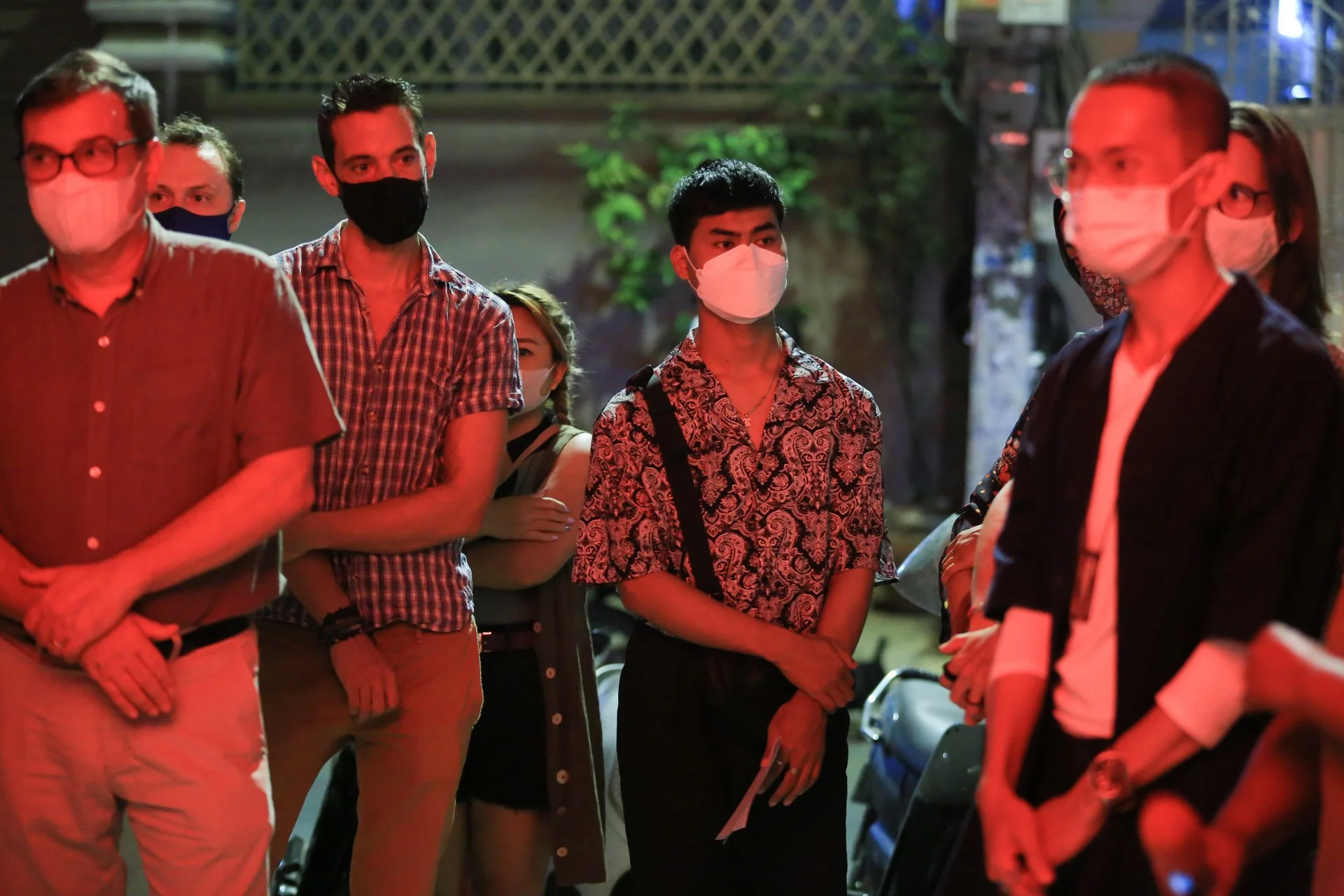
Mchas Teuk Mchas Dei asks who the master and caretaker of the lands and waters is. Are they humans, animals, plants, or spirits? Through the works in various media and forms by the three artists, the exhibition brings to the fore the interaction and complex relationships between nature and the supernatural, humans and non-humans, the tangible and the intangible, and between states, which continue to shape the politics, economies, cultures, traditions, livelihoods, and essentially social structures. If any member of nature or the supernatural has a crisis, it may lead to risks, irregularities, and imbalances for lives and ecologies, whether they are visible or not.





About Artists
Khvay Samnang (b.1982, Svay Rieng province) lives and works in Phnom Penh. He graduated from the Painting Department at the Royal University of Fine Art. He was a grant holder of KfW Stiftung for the 12-month Artists in Residence program in collaboration with Künstlerhaus Bethanien, Berlin (2014-15). He was invited by KfW Stiftung as an alumnus to participate in a think tank with the world-renowned dancer and choreographer Akram Khan (2017), and was an artist-in-residence at Delfina Foundation, London, UK (2019). Samnang’s multidisciplinary practice offers new views on historical and current events and traditional cultural rituals using humorous, symbolic gestures. His work focuses on the humanitarian and ecological impacts of colonialism and globalization. The development of each body of work is based on thorough research and investigation of local specificities, structures, and conditions. Traveling is a crucial tool for his practice. Engaging directly and personally with local communities – within and beyond the cultural scene – is an integral part of his work, making it highly relevant, critical, and connectable to various contemporary discourses. His work shows a remarkable ability to engage with cultural and geographic contexts as well as with spatial and institutional settings.
More info: khvaysamnang.com
Lim Sokchanlina (b.1987, Prey Veng province) lives and works in Phnom Penh. He works with photography, video, installation, and performance across documentary and conceptual practices. Using different strategies, he calls attention to a variety of social, political, geopolitical, cultural, economic, and environmental changes in Cambodia in relation to the globe. Lina was an artist-in-residence at Nippon International Performance Art Festival, Tokyo, Osaka, Nagano (2011); Lower Manhattan Cultural Council, Governor’s Island, / IN RESIDENCE, Season of Cambodia, NYC (2013); Jose Arts Lab, Johannesburg, South Africa; Rates of Exchange, Un-Compared: Contemporary Art in Bangkok and Phnom Penh at Toot Yung; Art Center, Bangkok / Studio of Kamin Lertchaiprasert and Studio Sudsiri Pui-Ock, Chiang Mai (2014); Tokyo Art and Space, Tokyo; Center for Contemporary Art (CCA), Singapore (2018).
More info: limsokchanlina.com
Vuth Lyno (b. 1982, Phnom Penh) lives and works in Phnom Penh. He holds a Master of Art History from the State University of New York, Binghamton, New York, a Fulbright Fellowship (2013-15), and a Master of International Development from RMIT University, Melbourne, supported by the Australian Endeavour Award (2008-2009). He is an artist, curator, and educator interested in space, cultural history, and knowledge production. His artworks often engage with micro and overlooked histories, notions of community, place-making, and production of social relations. He works across various media, including photography, video, sculpture, light, and sound. He often constructs architectural bodies as situations for interaction. He introduces human stories and knowledge within these installations by drawing on a wide range of materials such as original interviews, artifacts, and newly made objects.
More info: vuthlyno.art



Public Programs
-
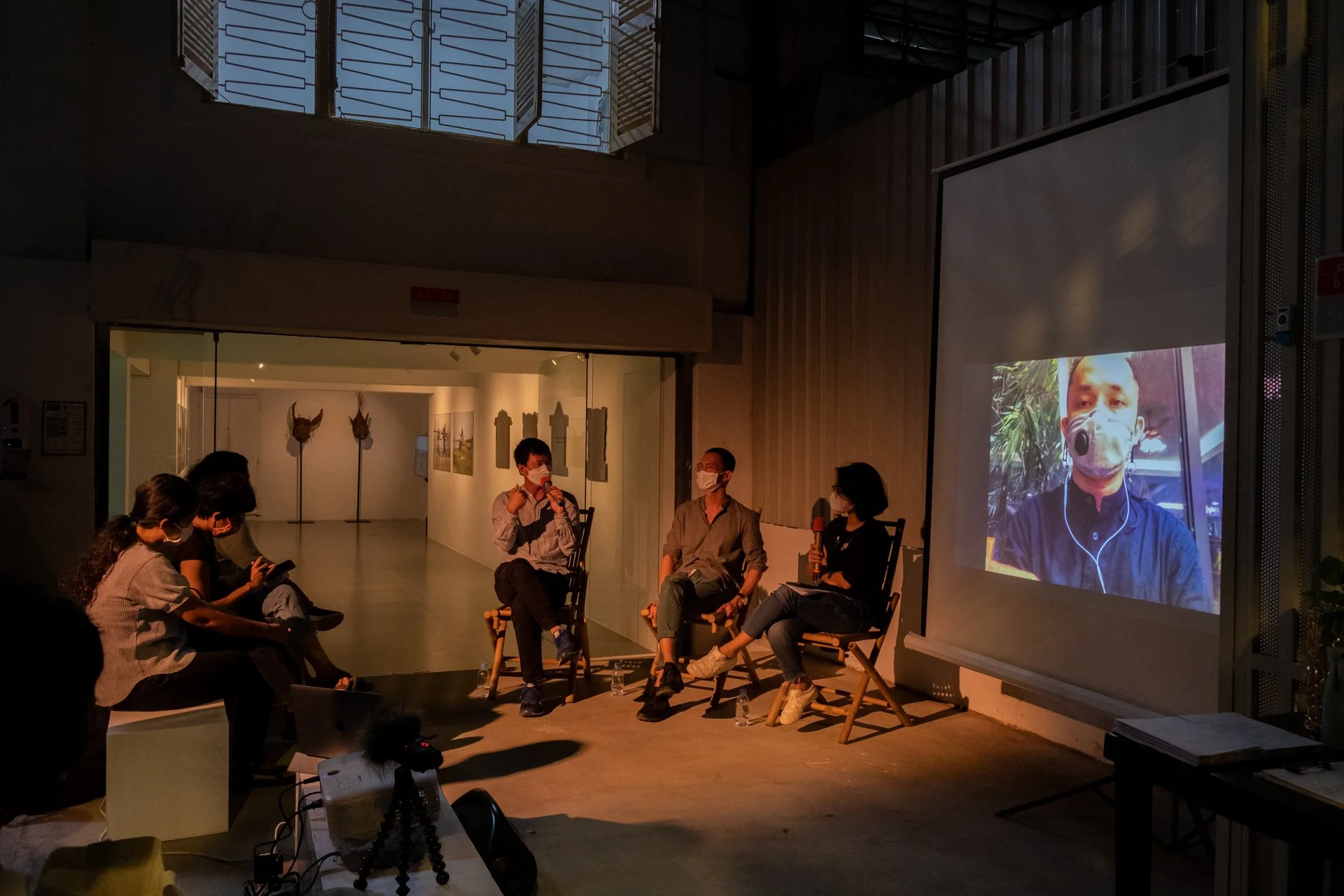
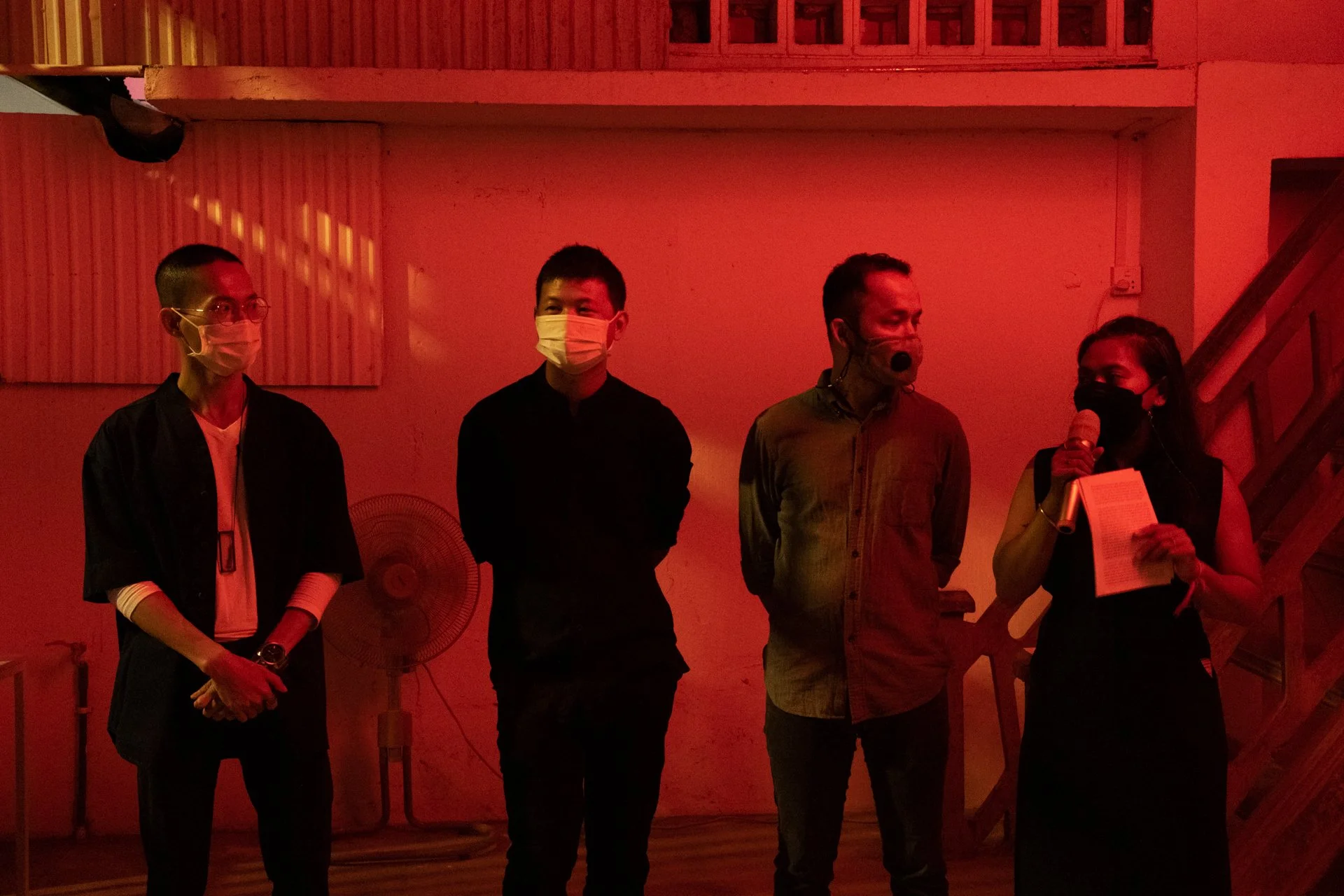
Panel Discussion: Khvay Samnang, Lim Sokchanlin, Vuth Lyno | Moderated by: Ms. Chan Penhleak
Saturday, 12 February 2022, 6:00 - 7:30 pm
In Khmer with English summary
Sa Sa Art Projects -
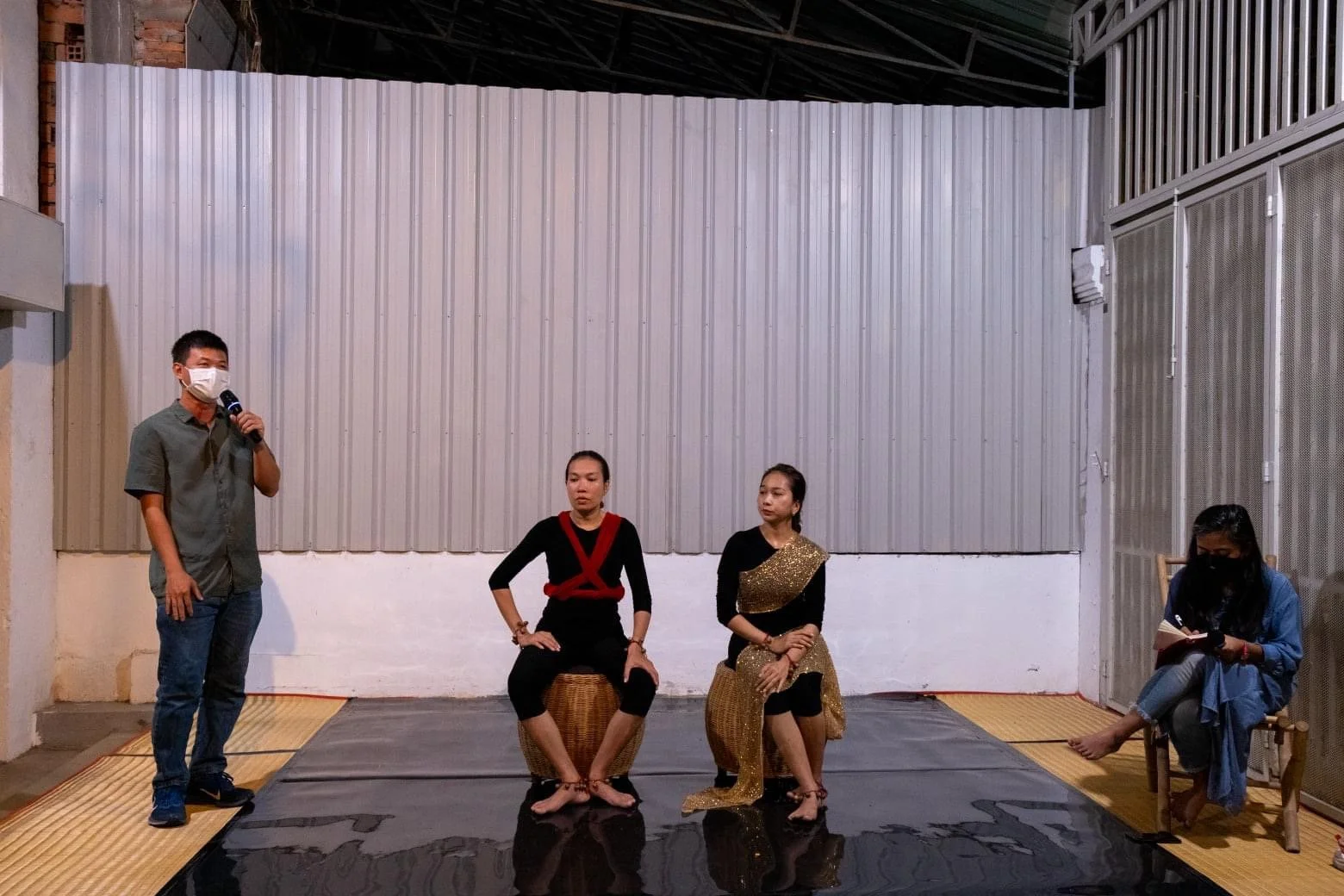
Popil performance by choreographers Mot Pharan and Sot Sovanndy
Saturday, 26 March 2022, 6:30-7:30 pm
In Khmer with English translation
Sa Sa Art Projects
Catalogue
